Explore our top engineered components, upholstered seating designs, and high-durability residential and commercial solutions.
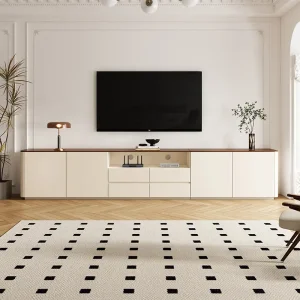

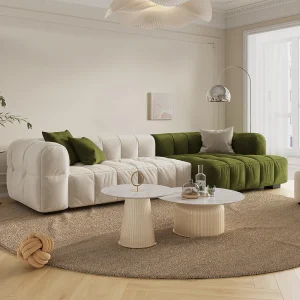
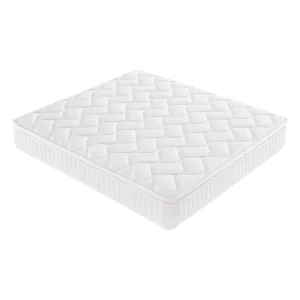
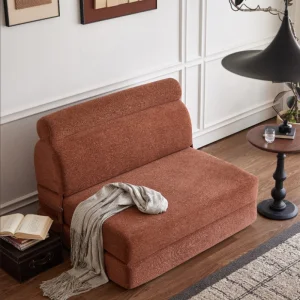
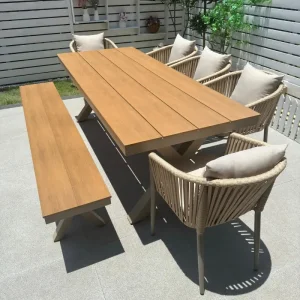
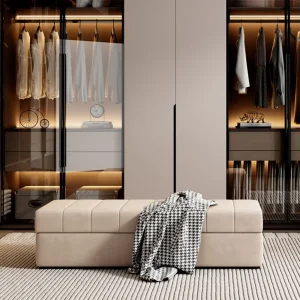
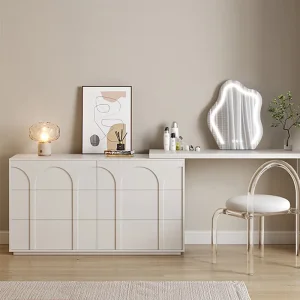
Strategically situated in the Nankang District of Ganzhou City, Jiangxi Province—widely recognized as one of China’s most prominent industrial clusters for structural and modern furniture manufacturing—Ganzhou Linkun Furniture Co., Ltd. stands as a premier integrated manufacturing enterprise. We specialize in both raw material supply chain consolidation and the end-to-end research, design development, and scaling of high-end finished modern furniture.
Our footprint features a highly optimized production structure designed to support high-capacity B2B contract orders. This comprehensive ecosystem comprises a 10,000-square-metre manufacturing plant, a 6,000-square-metre dedicated storage center for structural timber, fabric, and finished goods, and a 3,000-square-metre showroom highlighting our diverse capabilities across residential, office, hospitality, and outdoor sectors.
By controlling both the raw inputs (hardware, premium timber, engineering fabrics) and the finished outputs, we provide a unified supply solution that maximizes reliability, controls costs, and assures high quality across global trade standards.
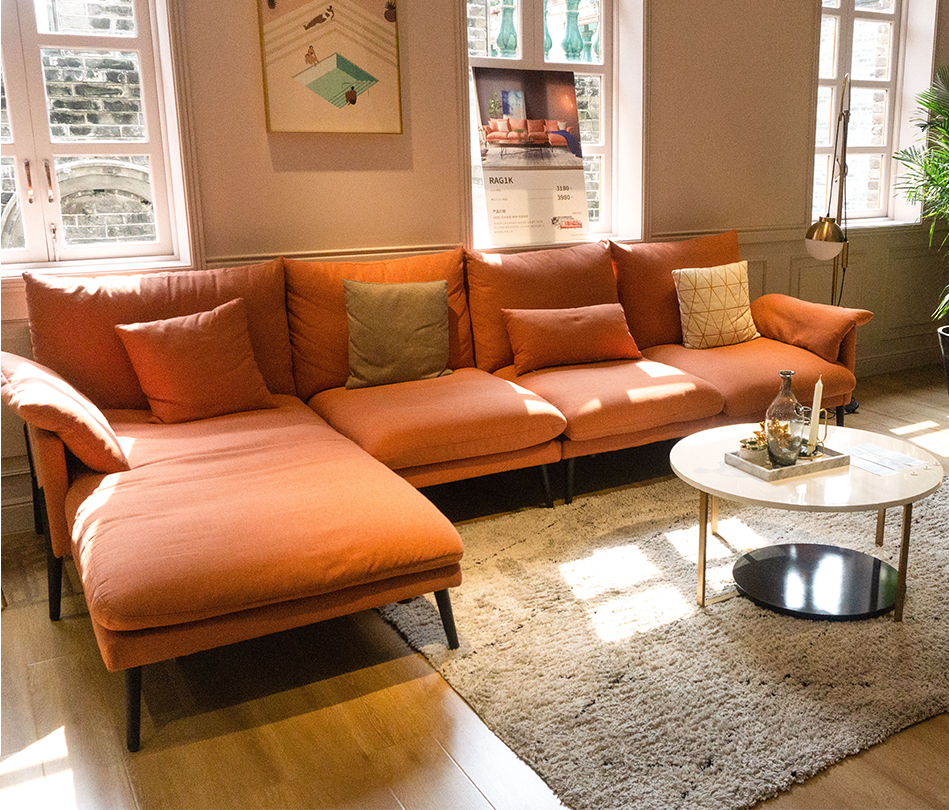
By mastering the upstream material supply, we guarantee consistent quality, precise chemical compliance, and unparalleled cost advantages for B2B contract buyers.
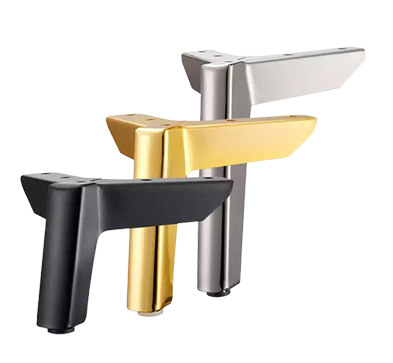
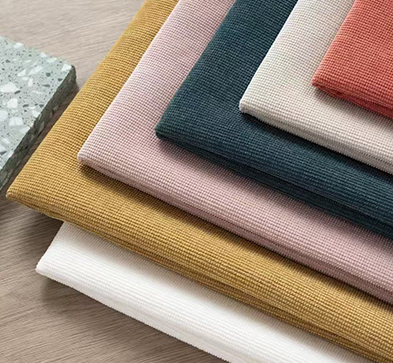
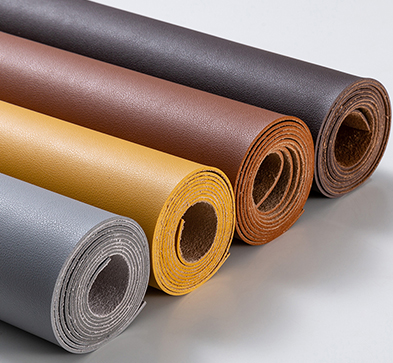
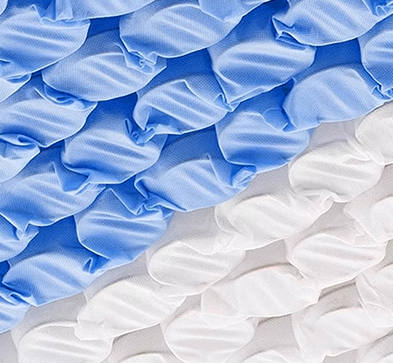
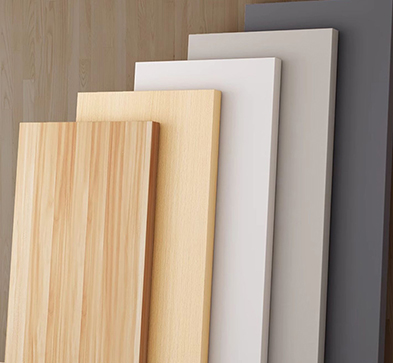
Our production lines cover a comprehensive selection of modern designs, ensuring custom configurations meet the aesthetic and functional needs of regional markets.
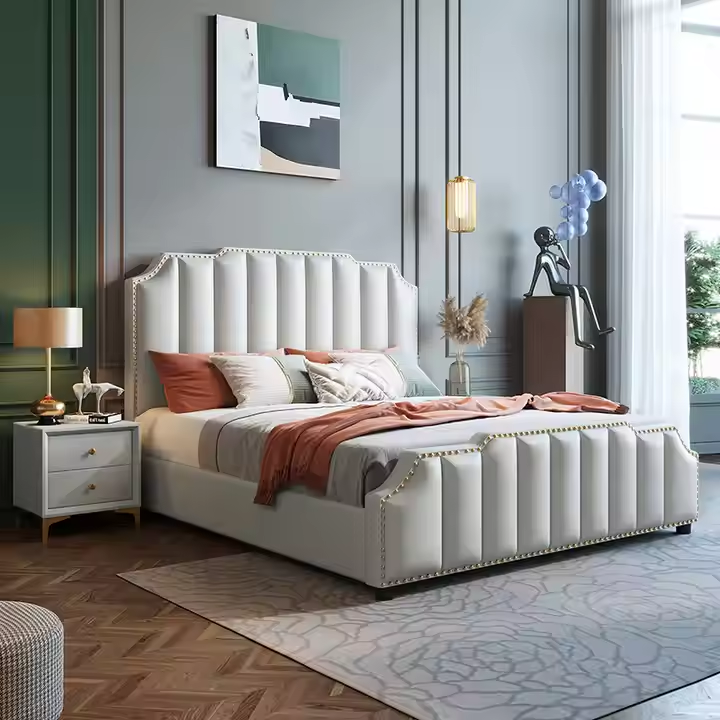
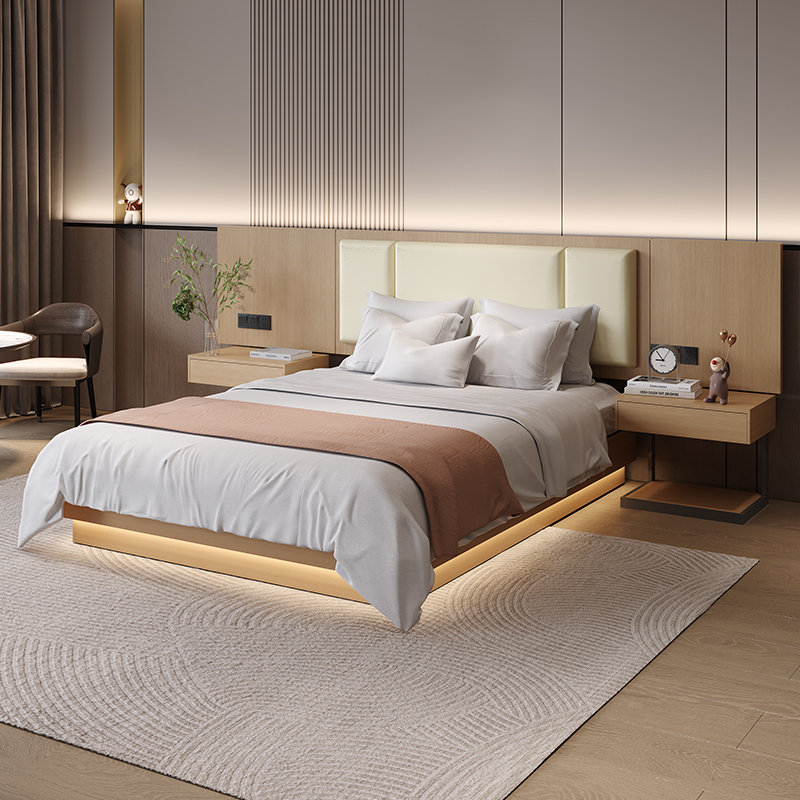
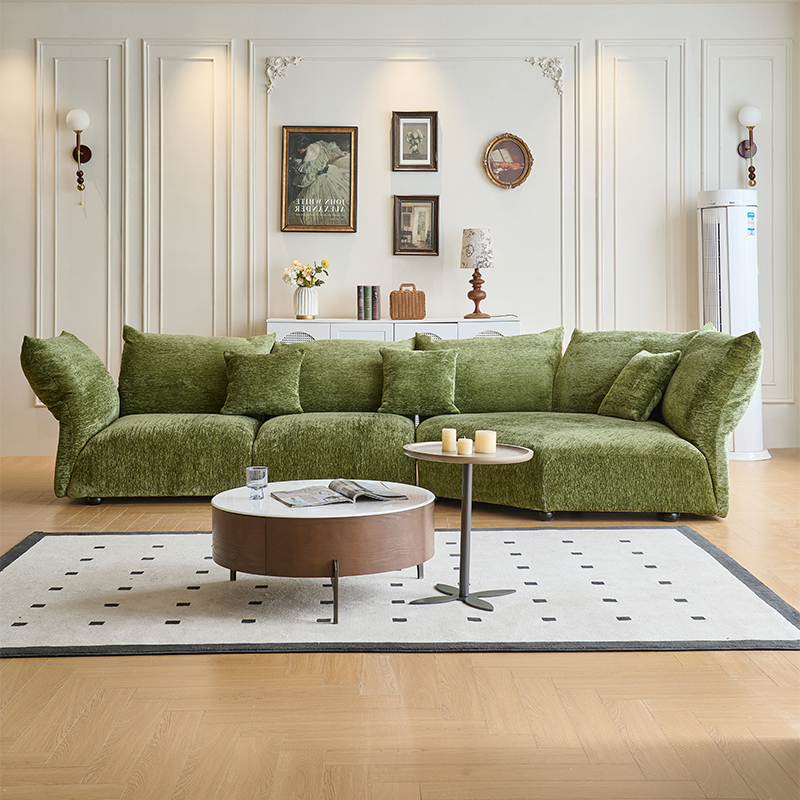
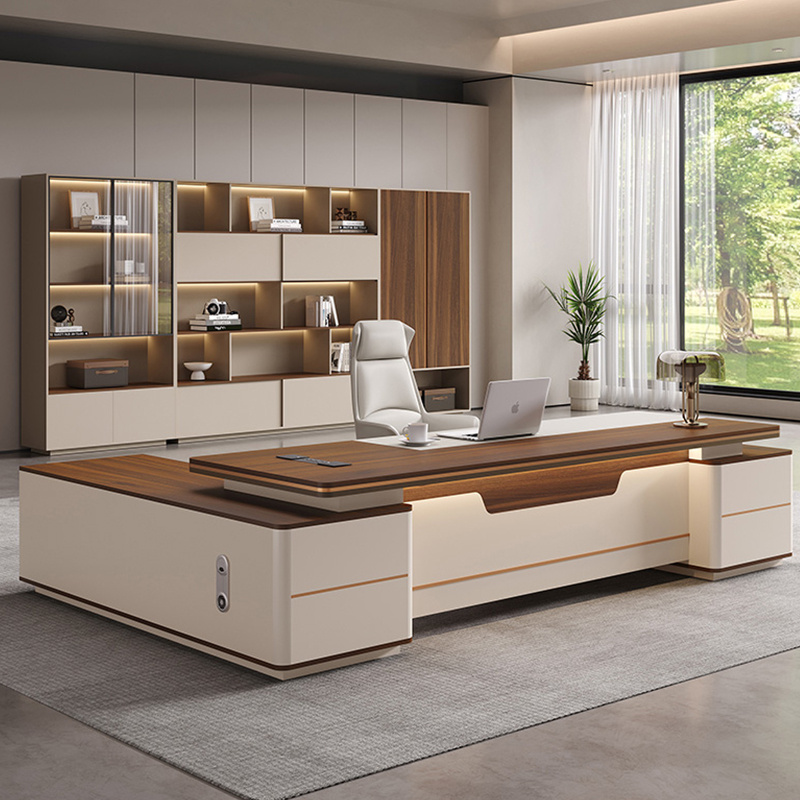
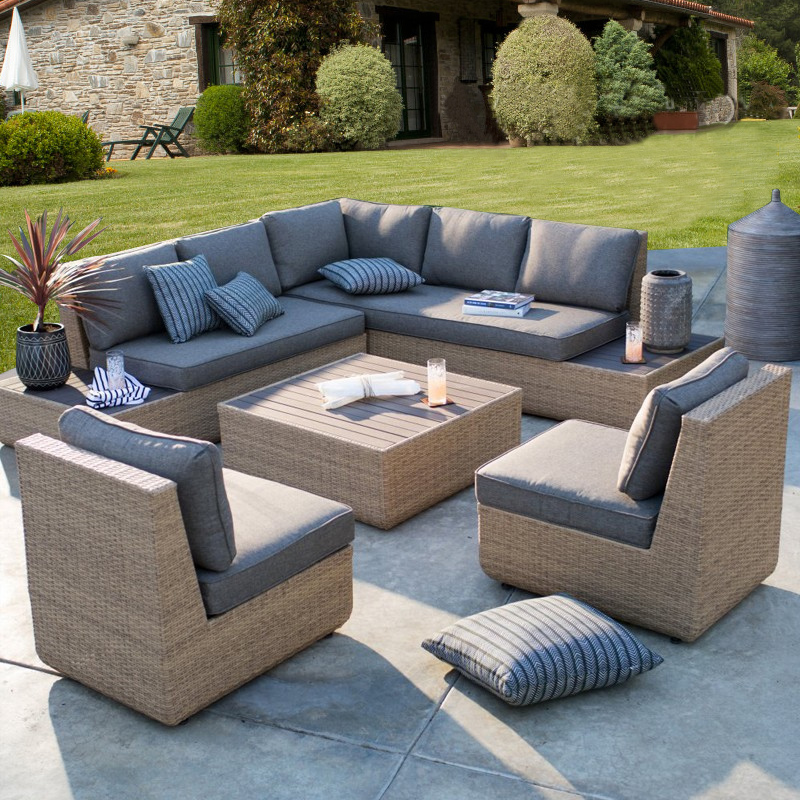
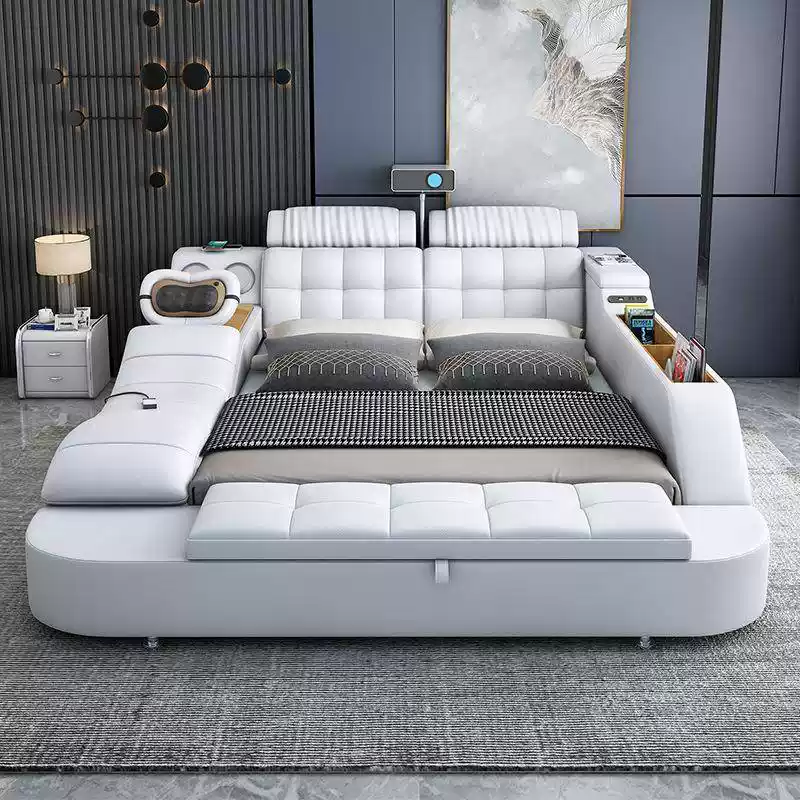
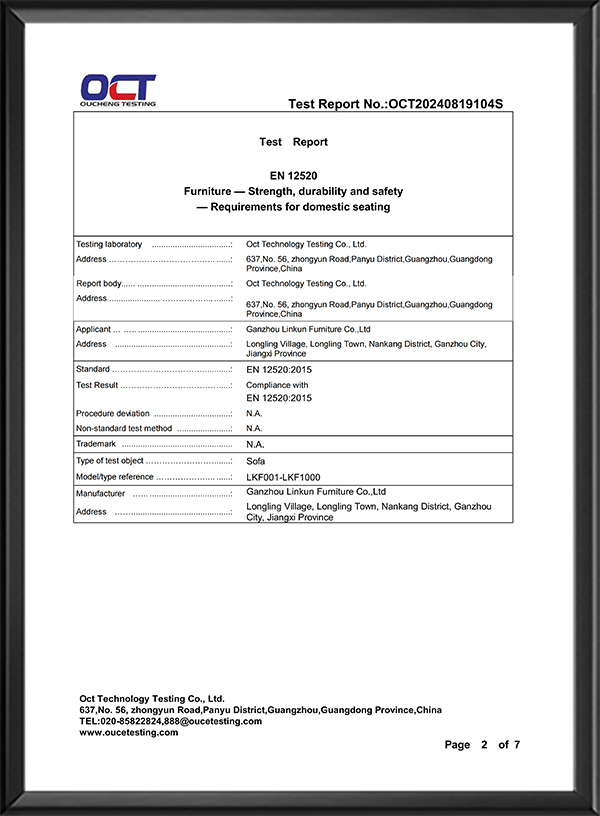
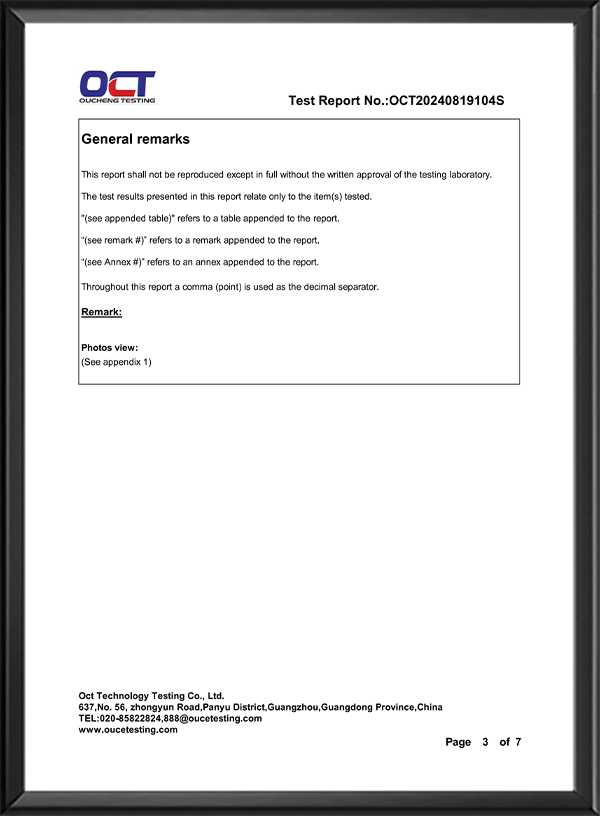
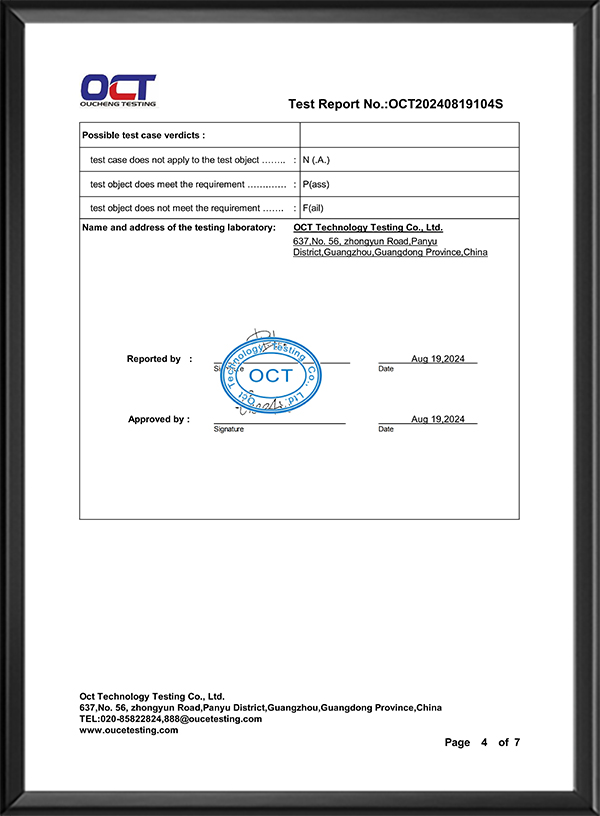
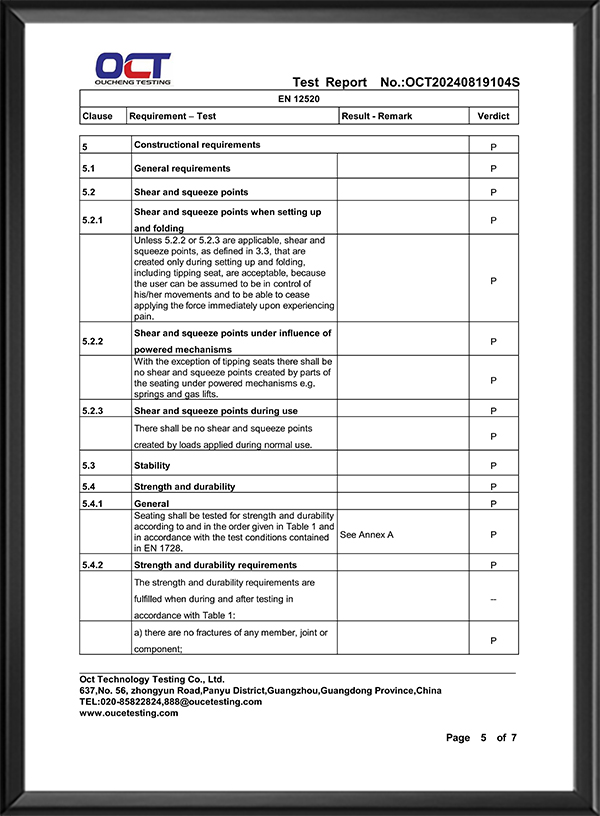
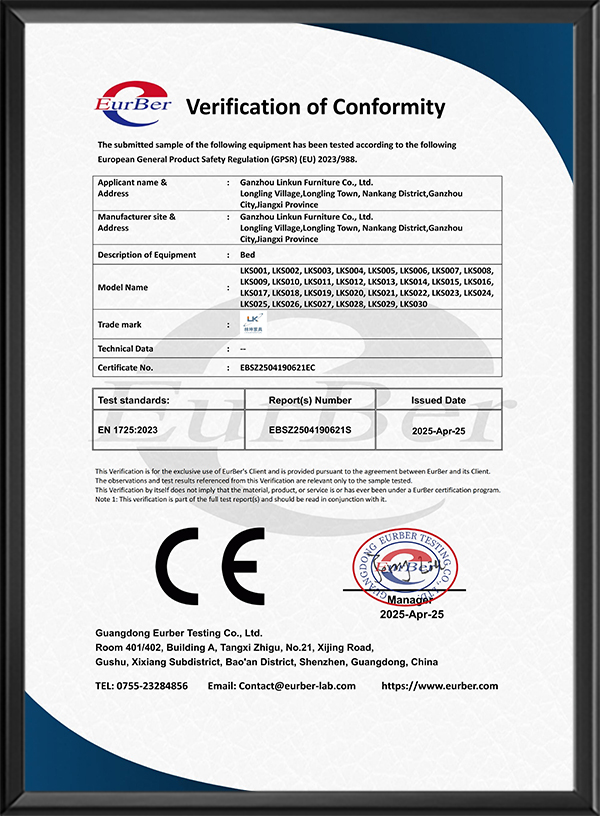
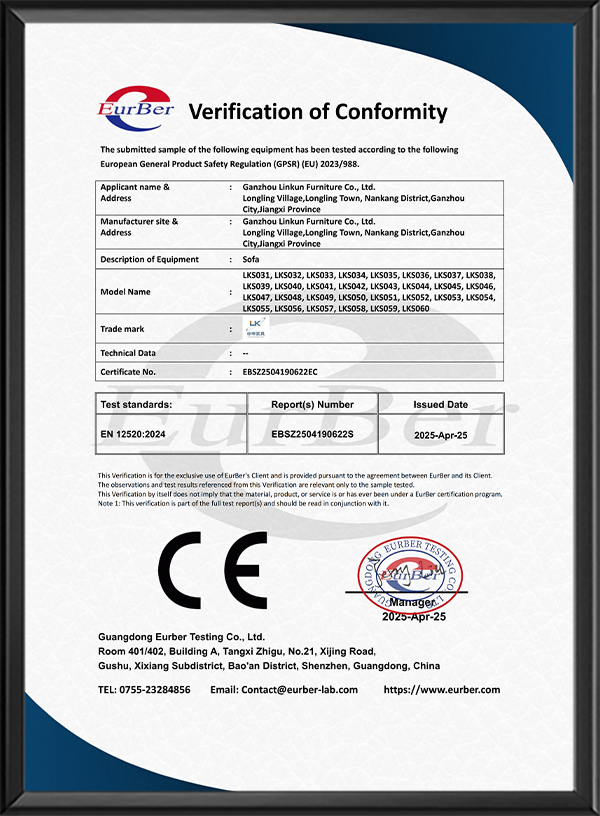
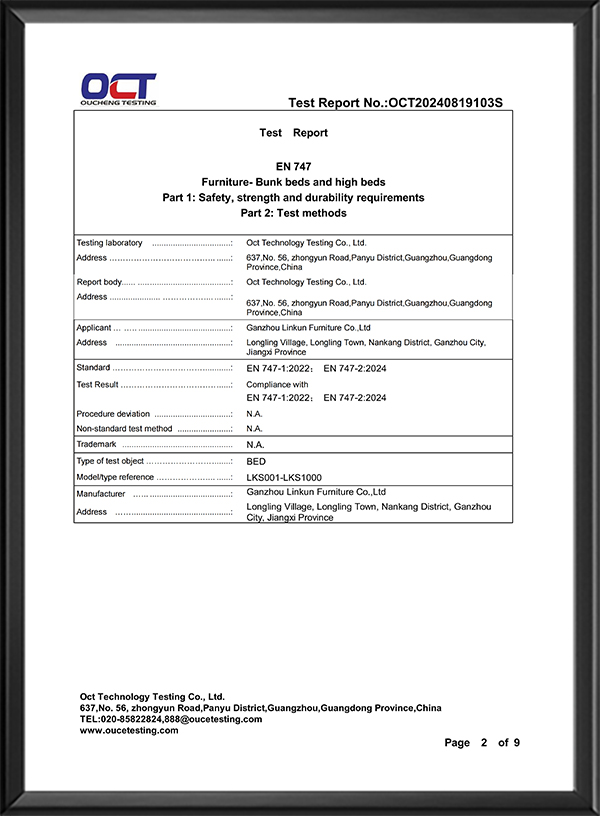
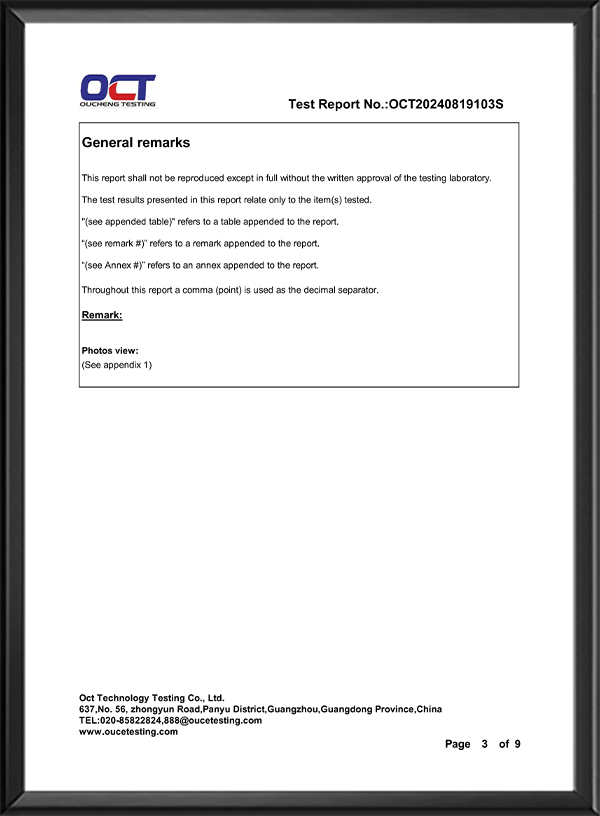
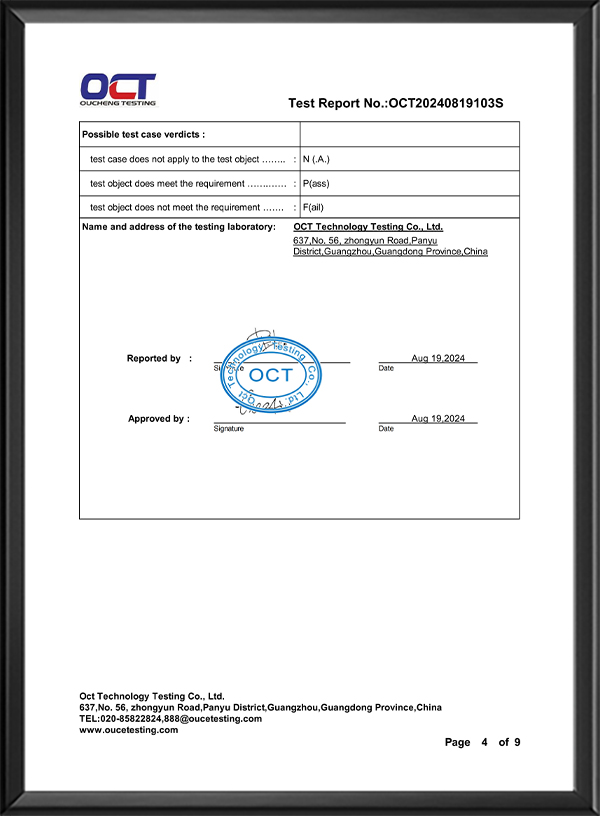
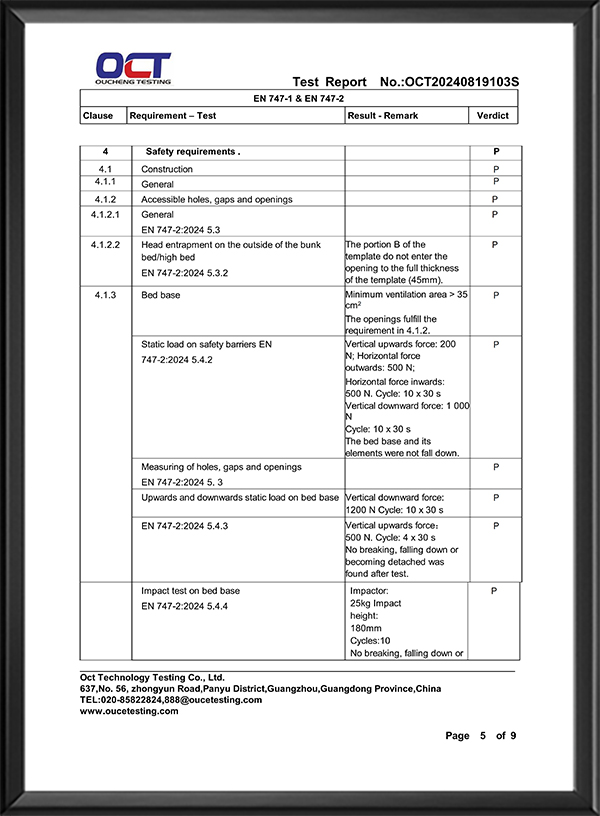
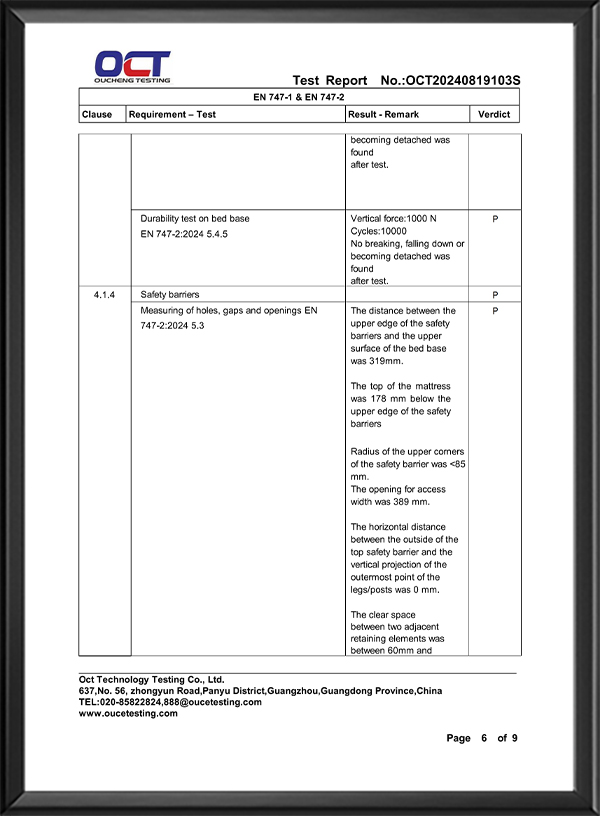
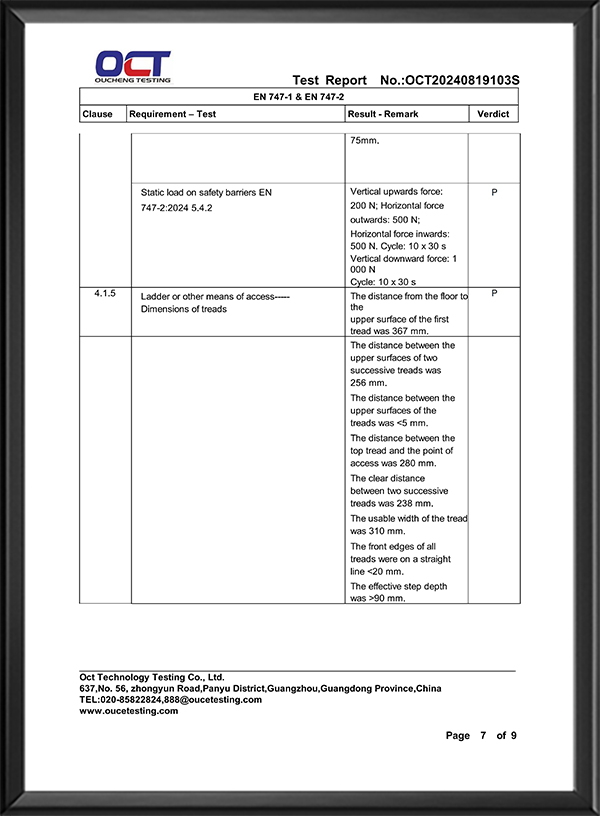
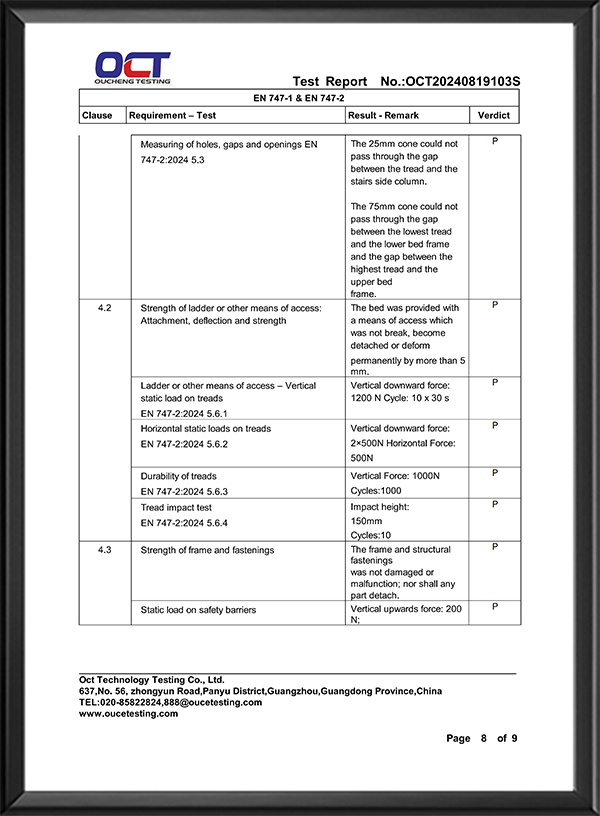
Our manufacturing protocols adhere to rigorous international inspection metrics, ensuring cross-border compliance with EU and US import requirements.
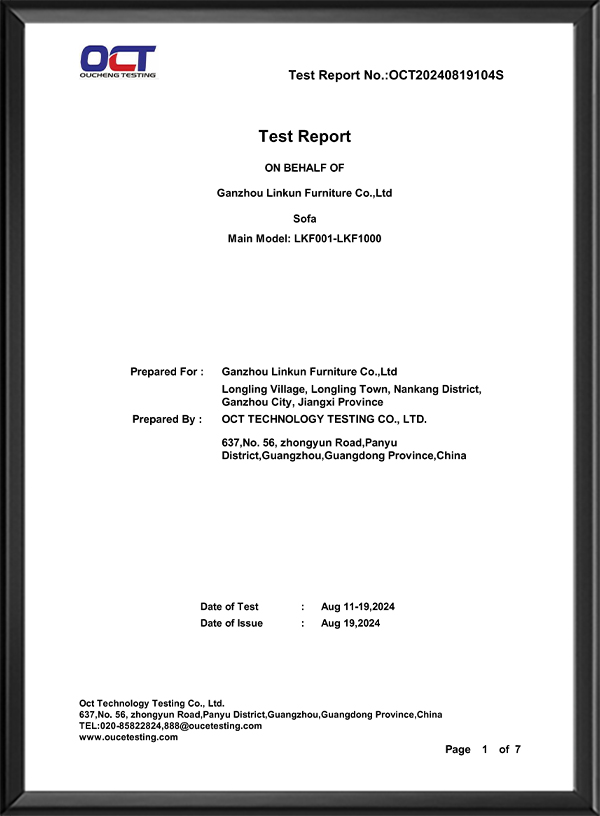
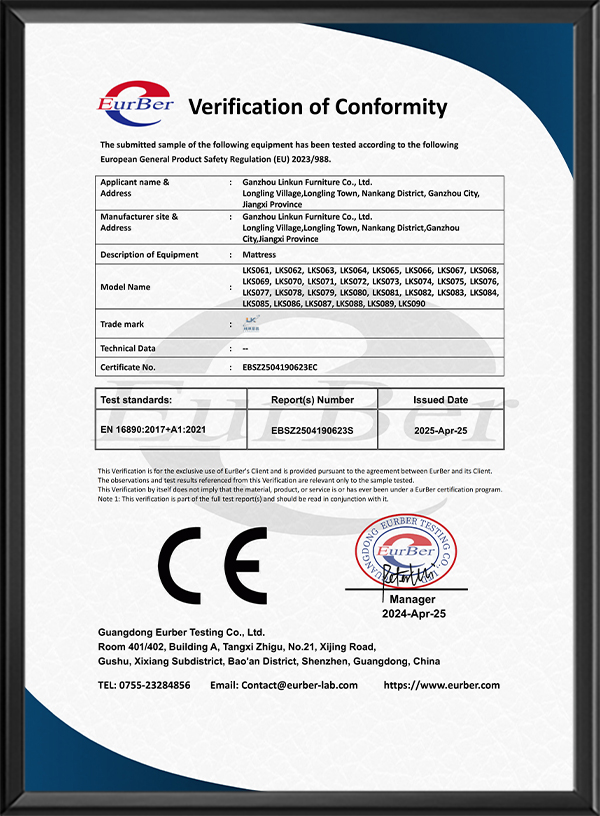
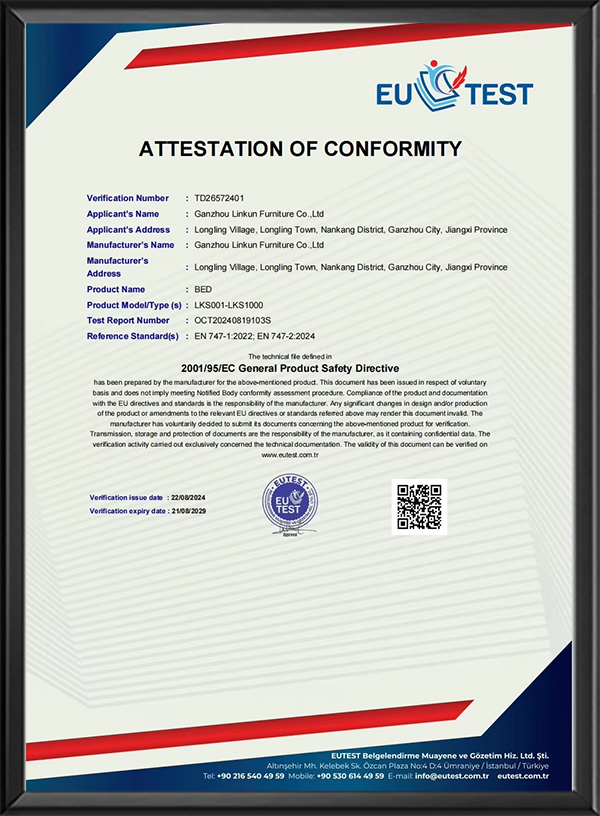
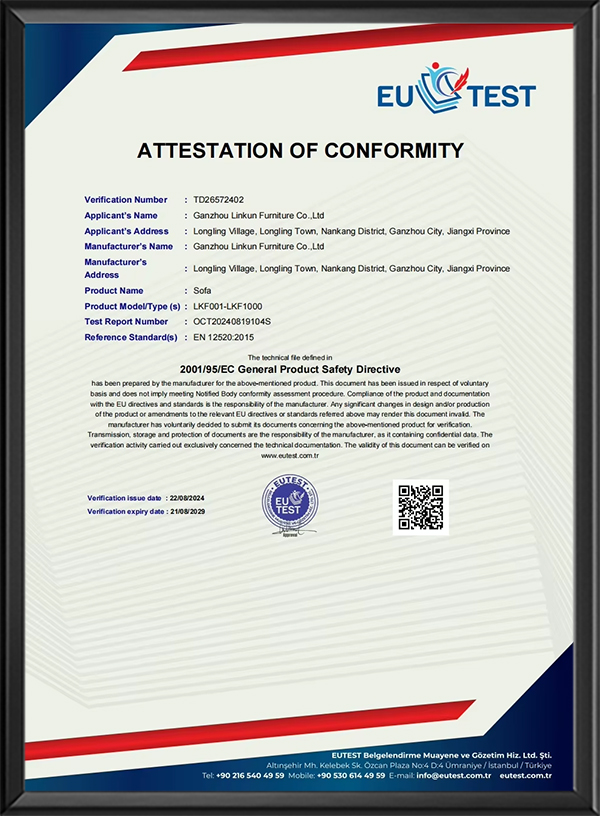
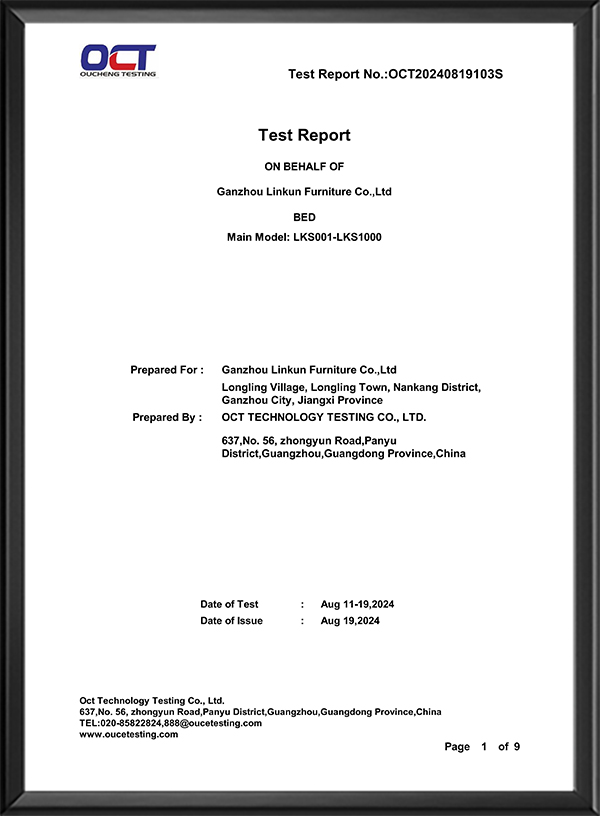
Partner with Ganzhou Linkun Furniture to optimize your supply chains, secure stable pricing, and access advanced custom development capabilities.
With over 15 years of industry-specific engineering and scaling, we maintain a capacity exceeding 500,000 completed furniture items annually.
Our dedicated design and development engineers convert product conceptual drawings, 3D renderings, or reference samples into 100% compliant designs.
Over 12 years of raw material supply chain dominance makes us a trusted B2B partner for globally curated components, including timber, panels, fabrics, and hardware.
From initial manufacturing concepts, raw material selection, and rigorous stress testing, to final flat-packed export consolidation.
An analytical overview of the raw material vertical integration, localized regulatory compliance, and optimization of logistics for B2B distributors.
In modern furniture manufacturing, regional localization dictates cost structure, lead times, and capacity scaling. The Nankang District in Ganzhou City, Jiangxi Province, has transformed into a globally recognized hub for furniture manufacturing. This regional concentration forms a cluster effect where material processing, hardware engineering, high-density polyurethane foam manufacturing, and wood kiln-drying facilities are situated in close geographic proximity. Ganzhou Linkun Furniture Co., Ltd. capitalizes on this geographic advantage by establishing a vertically integrated 10,000-square-metre manufacturing base alongside a 6,000-square-metre warehouse.
For B2B procurement agents and international buyers, sourcing from a manufacturer located in this specialized cluster eliminates the logistical inefficiencies associated with importing sub-components across multiple regions. Upstream processes, including steel precision-stamping for adjustable furniture legs and textile weaving for heavyweight chenille upholstery fabrics, occur within the same industrial zone. This spatial optimization ensures shorter production cycles and lower transshipment costs, which are directly passed to the importer as a competitive pricing advantage.
Supply Chain Integration Note: Controlling the raw materials supply—including direct sourcing of wood panels, hardware components, and fabrics—enables Ganzhou Linkun to bypass third-party trading markups, ensuring a stable price structure even during raw material price fluctuations.
For large-scale retailers and contract hospitality importers, compliance with national safety and environmental standards is a critical commercial necessity. The risk of product recall, custom detentions, or litigation due to toxic chemical components or structural failures is a primary concern. Sourcing modern furniture requires careful attention to compliance metrics, including:
Chemical and Material Emissions (formaldehyde & VOCs): Engineered wood structures must comply with stringent international standards such as CARB Phase II (California Air Resources Board) and EPA TSCA Title VI requirements. Our wood storage and processing facility screens all raw panels to ensure formaldehyde emissions remain below the threshold of 0.05 ppm, maintaining compatibility with modern residential standards.
Flammability and Fire Safety Standards: Upholstered goods, including high-density sponge filled compressed sofas and pocket-spring mattresses, destined for commercial or specific regional residential markets must meet fire safety standards such as CAL 117 (California) and BS 5852 (United Kingdom). By curating our own raw materials, we can supply fire-retardant treated PU leathers and heavy chenille fabrics that meet these standards without compromising the hand-feel or tensile strength of the textile fibers.
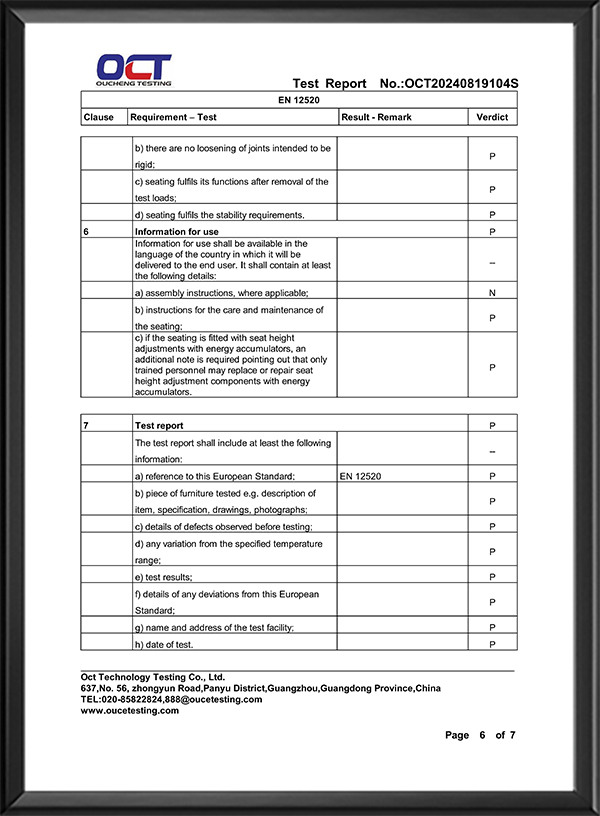
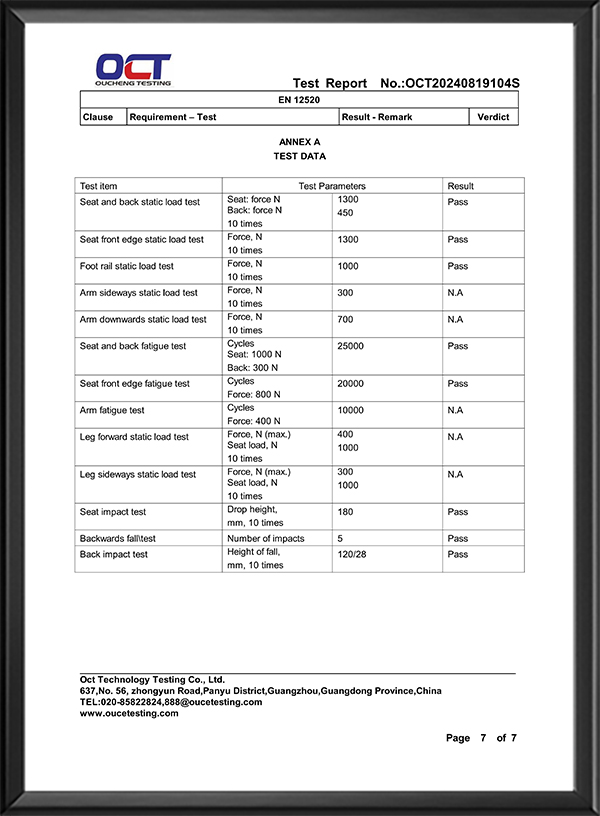
Structural Performance & Durability: Mechanical stress testing is crucial for high-traffic contract applications like hotel lounges or office reception zones. To verify durability, our finished items undergo cycle testing (equivalent to BIFMA or EN 12520 metrics) to ensure joints, adjustable steel legs, and frame structures withstand prolonged loading. This engineering focus ensures that commercial buyers receive furniture built to endure rigorous, high-frequency usage.
High ocean freight rates and rising container transport costs present challenges for the global furniture trade. Traditional fully assembled sofas and thick spring mattresses contain significant amounts of empty air space, leading to high shipping costs. To address this, modern Chinese furniture manufacturers utilize advanced compression and vacuum-packaging technologies.
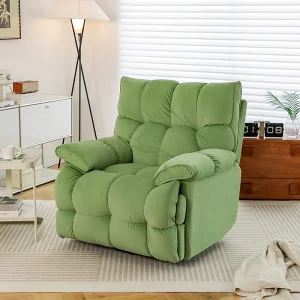
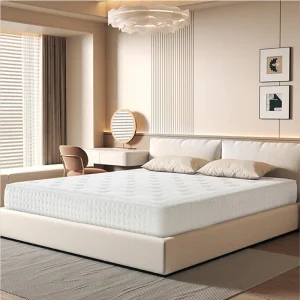
For example, our High-Density Sponge Filling Vacuum Compressed Sofas and Pocket Spring Hybrid Mattresses are compressed using heavy-duty hydraulic presses, vacuum-sealed in thick, tear-resistant polymer film, and then rolled or packed into compact cardboard boxes (Compress Box / Small Package). This process reduces the physical shipping volume by up to 70%. For a global distributor, this volume reduction translates to a significant increase in container capacity: a standard 40-foot High Cube (40HQ) container can carry more units, reducing the per-unit freight cost and maximizing logistics efficiency.
A standard catalog product rarely fits every market's stylistic preferences or architectural layouts. European markets often lean toward minimalist, low-profile designs, whereas North American markets frequently require larger structural dimensions and deep seating depths. Ganzhou Linkun supports this diversification through robust OEM and ODM workflows. Our design engineering team operates on a structured CAD and 3D modeling workflow, allowing us to turn raw blueprints, architectural space layouts, or target sample photos into production-ready designs.
Customization extends beyond aesthetics. We provide material substitutions based on budget and durability targets. For instance, a buyer can specify solid wood internal framing (for premium durability) or opt for high-grade multi-layer plywood structures (to optimize cost). Hardware components, such as hinges, runners, and structural steel T-shape legs, can be customized in terms of plating thickness, powder-coating colors, and loading capacities, ensuring alignment with both budget targets and technical requirements.
The global furniture sector is moving toward environmental sustainability and smart home integration. Conscious consumers are demanding verified chain-of-custody timber (FSC certified) and non-toxic materials. At Ganzhou Linkun, we actively integrate ecological timber and water-based, low-VOC finishes to support environmental sustainability. Simultaneously, our development department is integrating IoT technologies into residential designs—incorporating wireless charging hubs into TV cabinets, LED lighting into makeup vanities, and motorized mechanisms into lounge chairs. This forward-looking approach ensures our B2B partners have access to products that align with changing consumer preferences.
Stay informed with technical analyses, material comparisons, and engineering trends from our factory design lab.
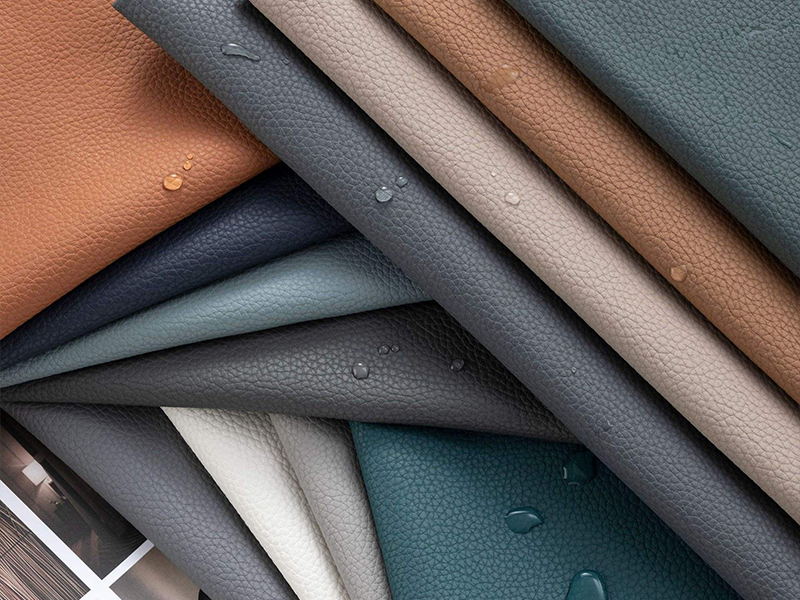
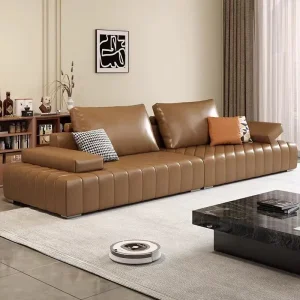
For centuries, leather has been a staple in home furnishings, admired for its luxurious feel, durability, and classic style. A leather sofa or armchair is more than just a piece of furniture; it's a statement, a focal point that adds sophistication and warmth to any living space. While often associated with a higher price point, the long-term value and aesthetic benefits of leather make it a worthwhile investment for many homeowners.
Read Full Analysis →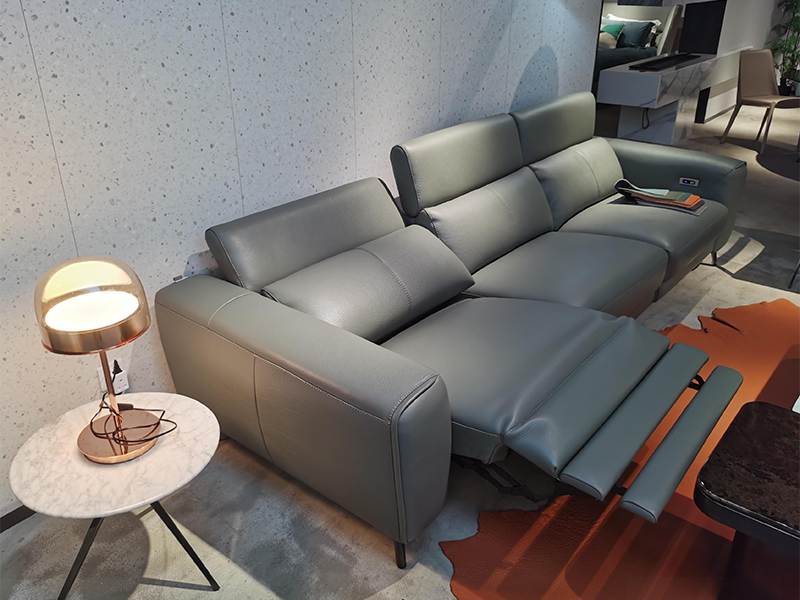
In today's rapidly urbanizing world, the demand for multifunctional furniture has surged, with multifunctional sofas standing out as one of the most popular choices among modern consumers. These innovative designs combine style, comfort, and practicality, making them ideal for smaller living spaces, evolving lifestyles, and contemporary design preferences.
Read Full Analysis →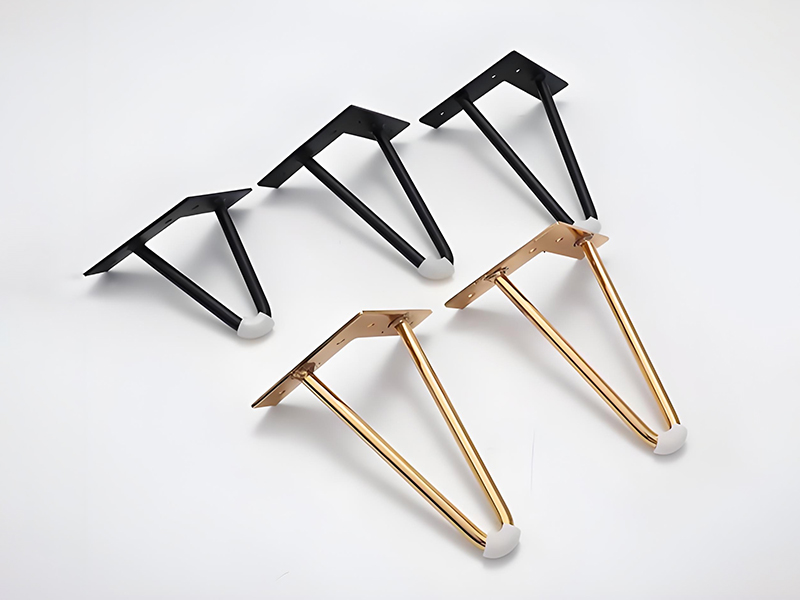
When people think of furniture, they usually focus on the visible aspects such as wood, fabric, or overall design. However, an equally important yet often overlooked element is furniture hardware. These are the functional components—hinges, handles, drawer slides, screws, brackets, and locks—that hold furniture together, provide mobility, and enhance usability. Without high-quality hardware, even the most stylish piece of furniture can quickly lose its appeal.
Read Full Analysis →Key procurement, technical, and logistics details to assist global distributors and contract buyers.
Our standard production lead time ranges between 35 to 45 days after deposit confirmation and sample approval. This timeframe includes raw material sourcing, structural assembly, upholstery processing, and quality checks. Specialized custom OEM designs requiring unique hardware molds or custom fabric dyes may require an additional 10 to 15 days.
We source fire-retardant foams and fabrics treated to meet US CAL 117 and UK BS 5852 flammability standards. Buyers must specify these requirements during the RFQ phase so we can verify the relevant raw material batches and provide testing certificates prior to production.
For standard catalog items, the MOQ is 50 units per color or design. For fully customized OEM products (e.g., custom hardware legs or specific dyed textiles), the MOQ is typically one 20ft container to maintain manufacturing efficiency and optimize shipping costs.
Our packaging protocol uses heavy-duty, multi-layered polyethylene film to vacuum-seal the compressed items, preventing air and moisture ingress. Additionally, we pack the sealed units into double-wall corrugated export cartons and include desiccant gel packs inside each box to protect against humidity changes during ocean transit.
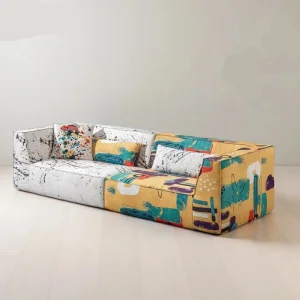
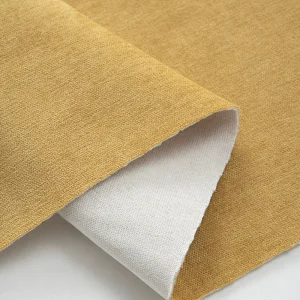
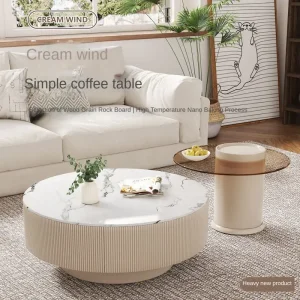
Discover our specialized kid's beds, heavy-weight chenille upholstery fabrics, modern coffee tables, and hybrid bedding systems.
 Linkun Furniture