High-Quality Synthetic Leather Factories & Factory

Expert Sourcing, Supply Chain Resilience, and Next-Generation Material Innovation for Global Industrial Applications.

White Paper: The Evolution of High-Quality Synthetic Leather Sourcing

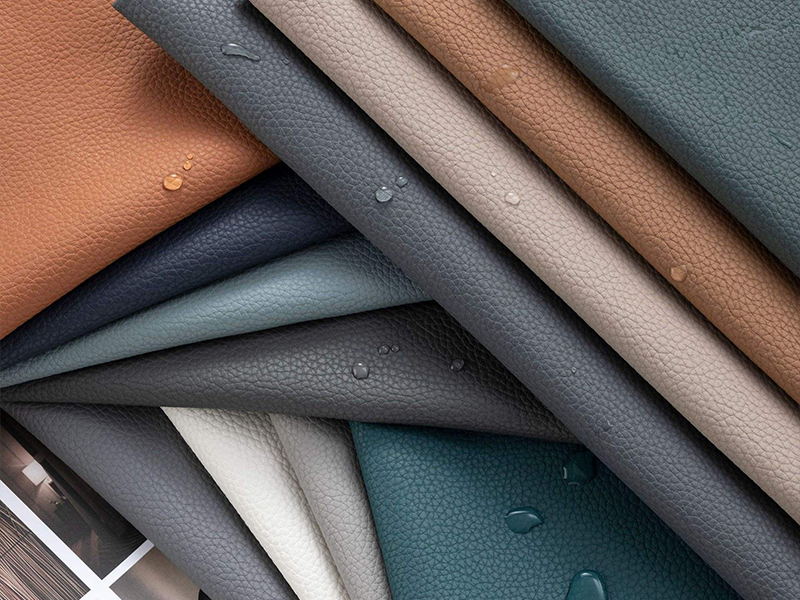
In the modern industrial landscape, synthetic leather has transcended its origins as a mere "substitute" for genuine leather. Today, it represents a high-tech, sustainable, and versatile material category that powers the automotive, furniture, fashion, and electronics industries. High-quality synthetic leather factories, particularly those leading the Factory 4.0 revolution in China, are now focusing on Information Gain through bio-based polymers, solvent-free production, and unparalleled durability.

⚙️ Industrial Trends: The Shift Toward Sustainability and Performance

The global synthetic leather market is projected to witness a CAGR of over 7% through 2030. This growth is driven by three primary trends:

  • Bio-based & Recycled Materials: Leading factories are replacing petroleum-derived components with plant-based alternatives like pineapple leaf fibers, apple waste, and recycled PET (rPET).
  • Microfiber Superiority: High-end microfiber leather is now technically superior to traditional hide in terms of tensile strength, weight-to-performance ratio, and consistency in large-scale manufacturing.
  • Smart Textiles: The integration of conductive polymers into leather surfaces is opening doors for touch-sensitive furniture and automotive interiors.
15+

Years Manufacturing Experience

500k

Annual Unit Capacity

10k㎡

Modern Production Base

1000+

Global Material Selections

🌍 Global Procurement Needs: Why Strategic Sourcing Matters

For B2B buyers and industrial designers, selecting a synthetic leather factory isn't just about price. It is about E-E-A-T (Experience, Expertise, Authoritativeness, and Trustworthiness). Modern procurement teams look for:

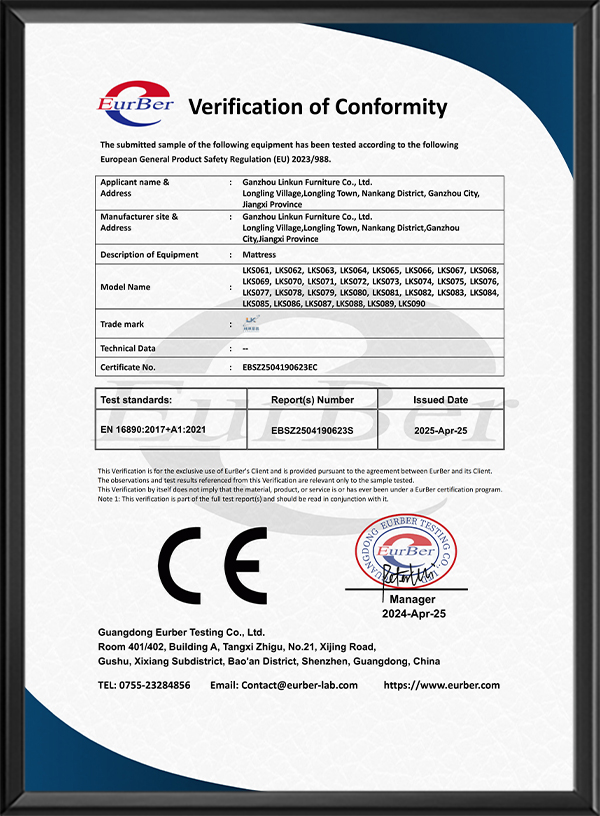
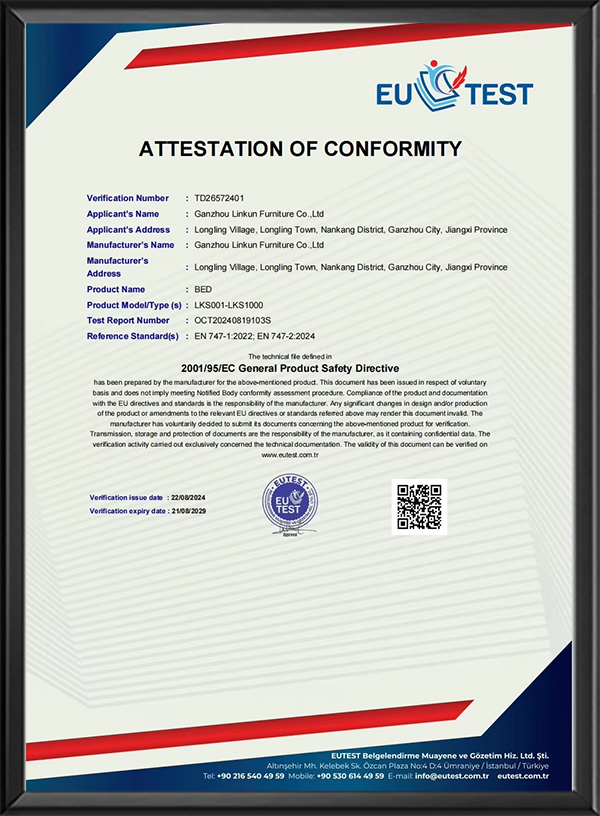
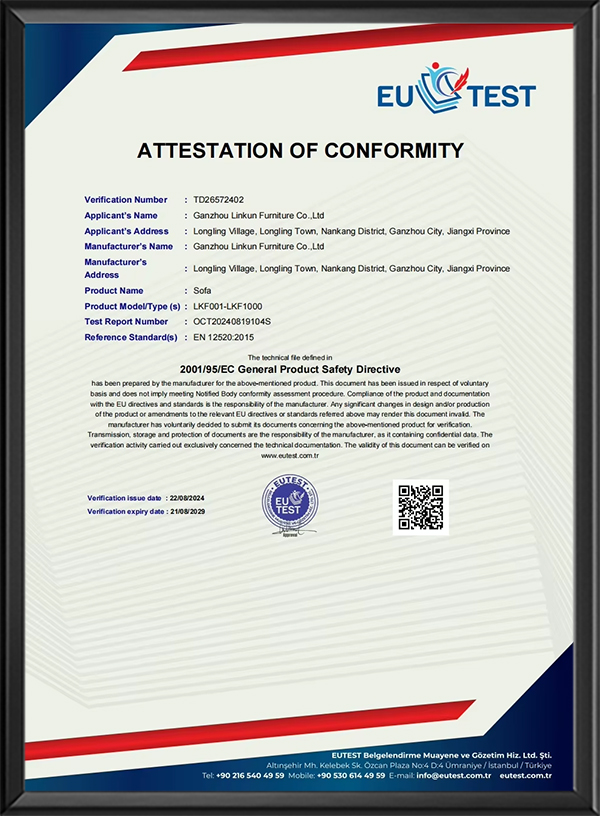
  • Compliance & Certification: Adherence to REACH, RoHS, and OEKO-TEX standards is non-negotiable for entering European and North American markets.
  • Supply Chain Transparency: The ability to track the origin of raw materials, from resins to backing fabrics.
  • Customization (OEM/ODM): As mentioned by Ganzhou Linkun Furniture Co., Ltd., 100% customization based on client drawings is the benchmark for high-tier suppliers.

China Factory 4.0: Supply Chain Resilience & Efficiency

Ganzhou, specifically the Nankang District, has emerged as a global hub for integrated furniture and material production. The advantage of a Chinese Synthetic Leather Factory lies in its vertical integration. Linkun Furniture, for instance, manages everything from Furniture Hardware and Cloth to Leather and Wood sourcing.
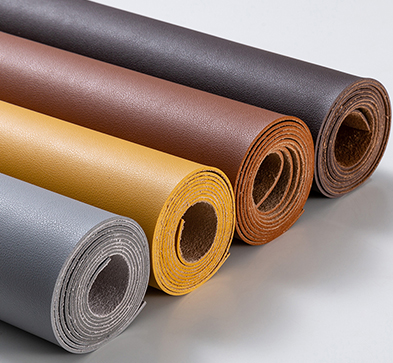
Leather

Leather Integration

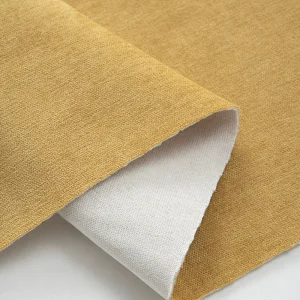
Direct control over leather tanning and synthetic polymer application ensure consistent grain and color.
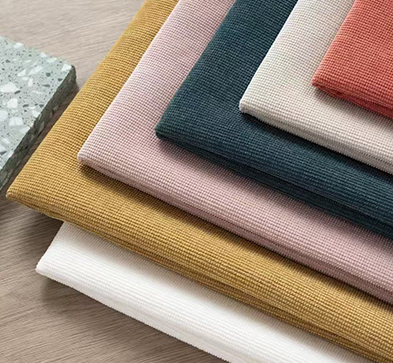
Cloth

Fabric Mastery

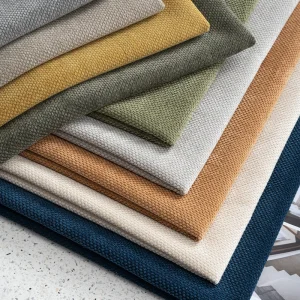
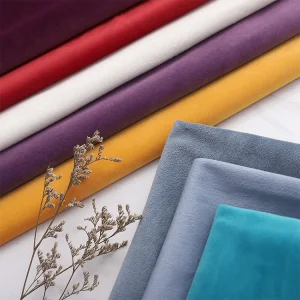
Utilizing advanced jacquard and chenille techniques to complement synthetic leather textures.
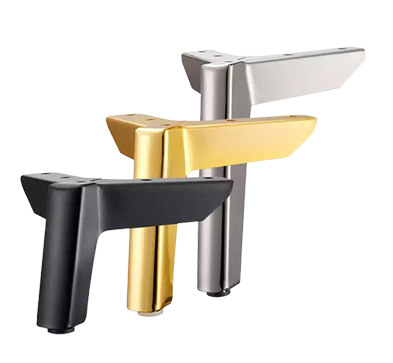
Hardware

Hardware Resilience

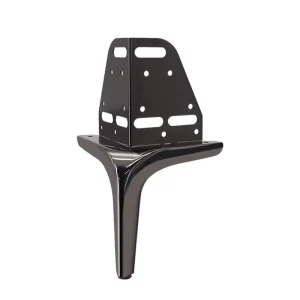
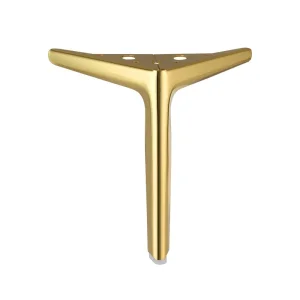
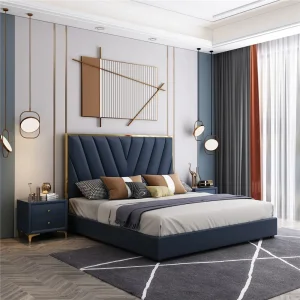
In-house hardware production reduces lead times for complex sofa and bedding structures.

🏗️ Localized Application Scenarios

High-quality synthetic leather isn't a one-size-fits-all product. Its application varies significantly across regions:
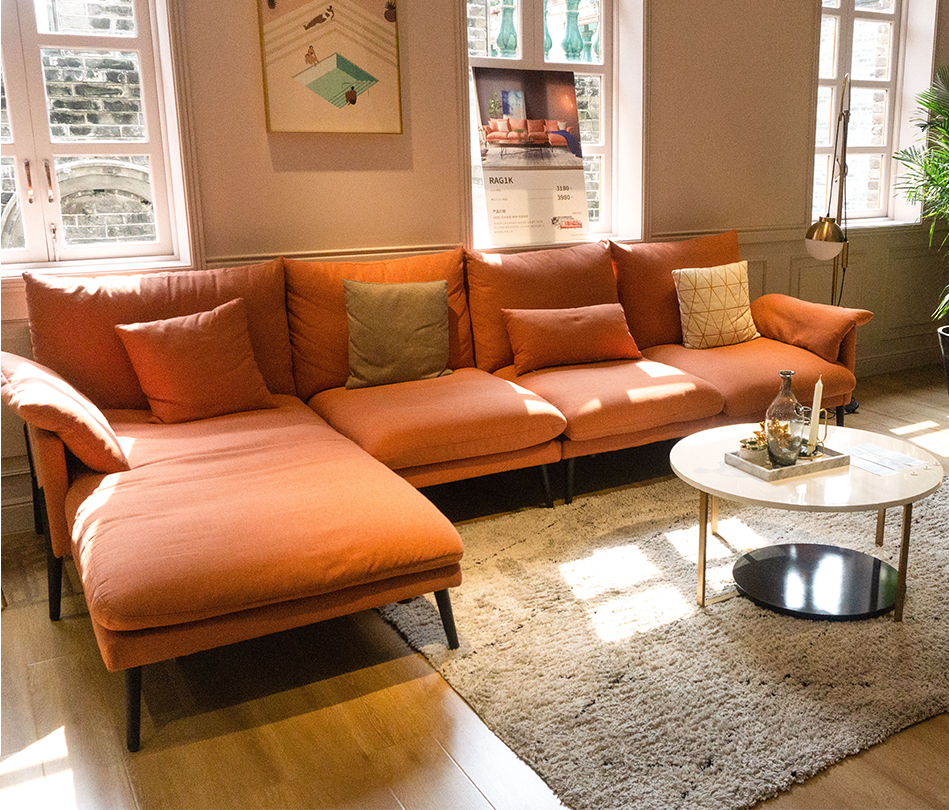
  • Hospitality (Hotel Furniture): Requires high abrasion resistance (Martindale test > 100,000 rubs) and fire retardant properties.
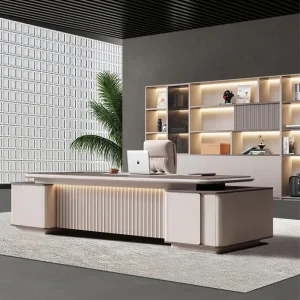
  • Modern Executive Offices: Focuses on "breathable" PU leather to ensure comfort during long hours of use.
  • Smart Homes: Integration with antimicrobial coatings for health-conscious living environments.

Our Authority & Manufacturing Power

Factory View

Ganzhou Linkun Furniture Co., Ltd.

Located in Nankang District, Ganzhou City, Jiangxi Province, we operate our own supply chain and modern production base. This facility encompasses a 10,000-square-metre production plant, a 6,000-square-metre storage centre, and a 3,000-square-metre showroom.

Leveraging over 15 years of furniture manufacturing expertise, we achieve an annual production capacity exceeding 500,000 units. Our integrated approach—specialising in both raw material supply and finished products—ensures we remain a trusted long-term partner for global enterprises.
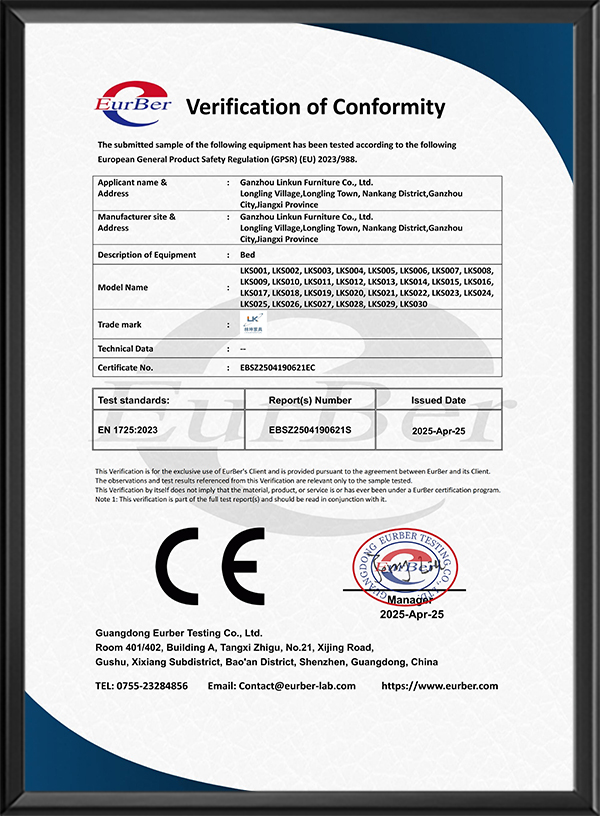
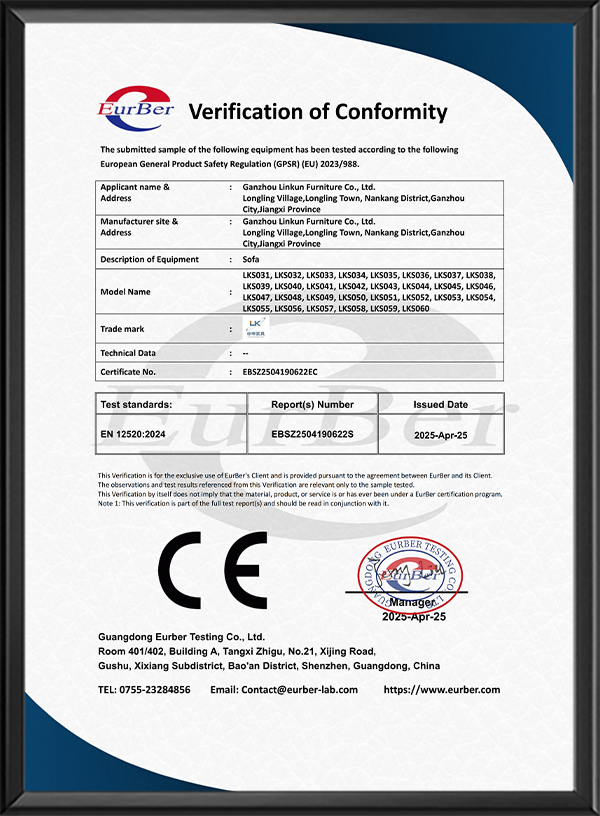
Global Certification Standards

Cert 1 Cert 2 Cert 3 Cert 4 Cert 5

Industrial Insights & News

Leather Furniture News

The Timeless Appeal of Leather Furniture

Leather has been a staple in home furnishings, admired for its luxurious feel and durability...
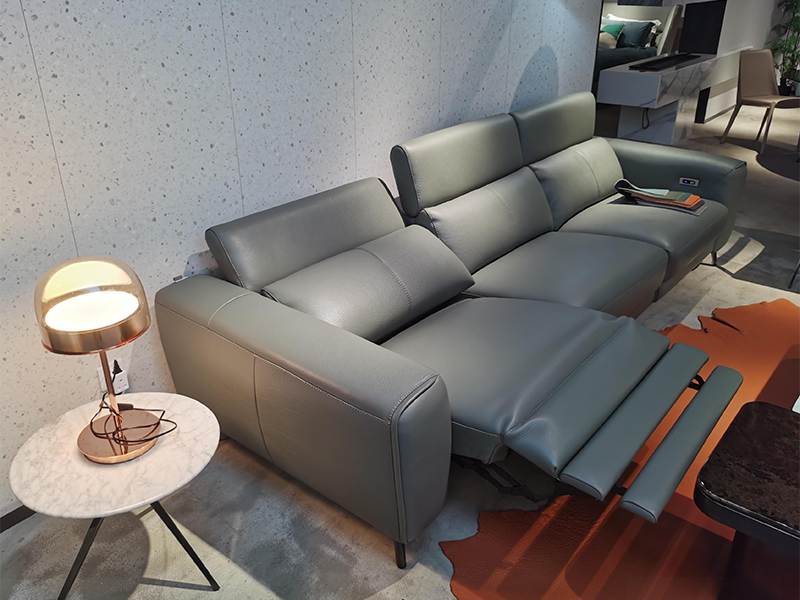
Multifunctional Sofas

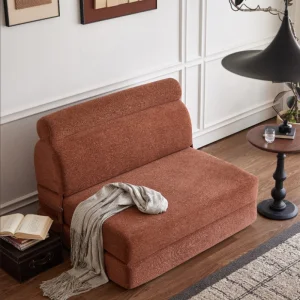
Multifunctional Sofas: Lifestyle Perspective

Demand for multifunctional furniture has surged, combining style, comfort, and practicality...
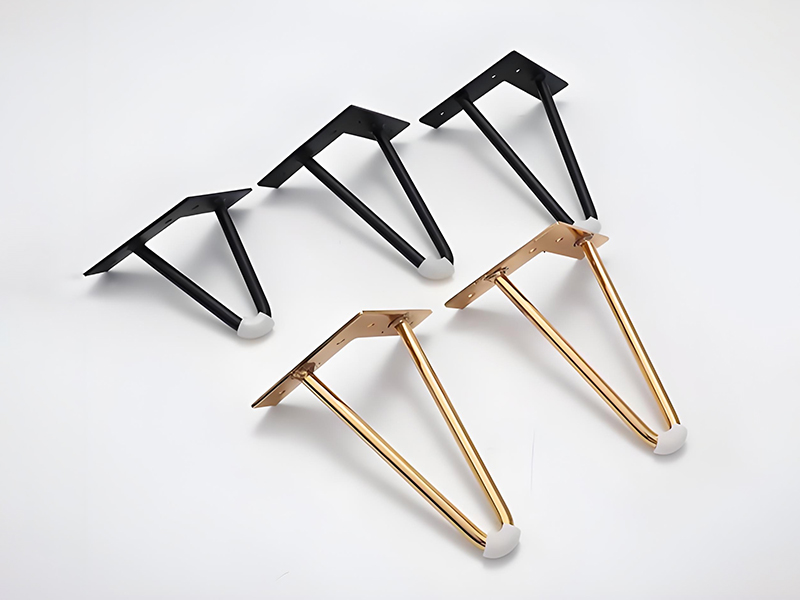
Hardware News

Hardware: The Hidden Backbone

Functional components like hinges and slides provide mobility and enhance usability...

Expert Q&A: Sourcing Synthetic Leather

Q1: What is the main difference between PU and PVC leather in industrial furniture?
A: PU (Polyurethane) is generally softer, more breathable, and more environmentally friendly. PVC is more durable and resistant to chemicals but lacks the natural feel of leather. Most high-quality factories now favor Water-borne PU for its low VOC emissions.
Q2: How does Linkun Furniture ensure the quality of raw materials?
A: We operate our own 6,000-square-metre storage centre for raw materials. By sourcing from globally curated suppliers and conducting in-house testing on timber, panels, fabrics, and hardware, we maintain 100% control over the input quality.
Q3: Can I request customized grain patterns for my synthetic leather order?
A: Yes. Through our OEM/ODM support, we can develop specific roller designs to emboss unique grain patterns, logos, or textures based on client specifications.
Q4: What is the lead time for large-scale industrial orders?
A: Typically, for standard specifications, lead times range from 15 to 30 days. Our 10,000-square-metre facility allows for rapid scaling of production to meet urgent global demands.