Understanding the shift from traditional weaving to AI-augmented textile engineering.
The global linen market, traditionally valued for its breathability and durability, is undergoing a profound transformation. As sustainability becomes a non-negotiable prerequisite for international trade, linen fabric—derived from the eco-friendly flax plant—has emerged as the premier choice for high-end fashion, home textiles, and upholstery. Unlike synthetic alternatives, linen production requires significantly less water and fewer pesticides, positioning it as a cornerstone of the circular economy.
The global linen fabric market is projected to reach USD 1.5 Billion by 2030, driven by a 6.4% CAGR in the luxury furniture sector.
OEKO-TEX and GOTS certifications are now standard requirements for European and North American enterprise buyers.
Modern factories are integrating IoT sensors to monitor loom tension, reducing defects by 40% compared to last decade.
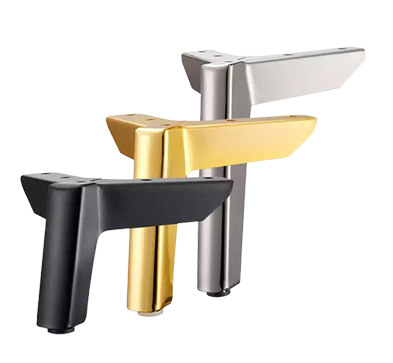
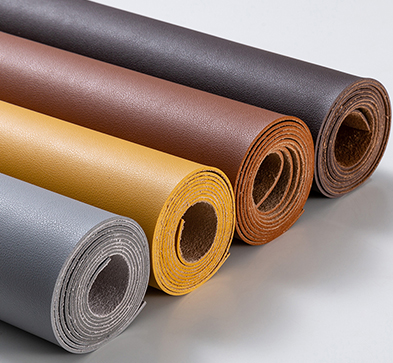
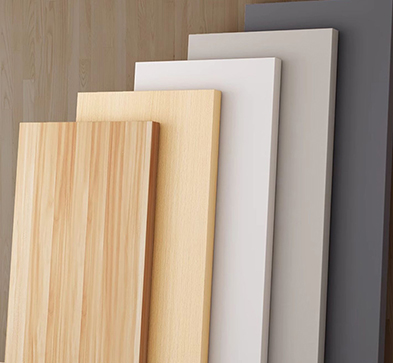
China has solidified its position as the world's leading **Linen Fabric Manufacturer & Factory** hub through three core pillars: integrated supply chains, technological leapfrogging, and unrivaled logistics. Factories in regions like Ganzhou (Jiangxi) are no longer just assembly lines; they are integrated ecosystems where raw materials—timber, hardware, and fabrics—converge to create high-value finished goods.
Ganzhou Linkun Furniture Co., Ltd. exemplifies this integration. By controlling both the raw material supply and the production of finished furniture, we eliminate the "middleman markup" while ensuring consistency in fabric quality that third-party sourcing cannot guarantee.
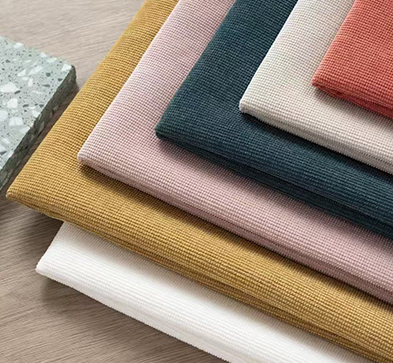
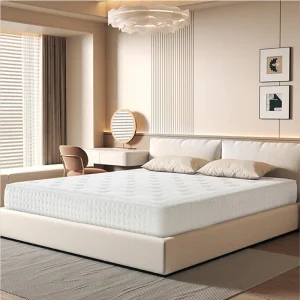
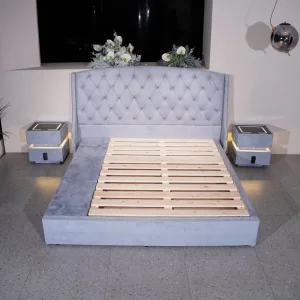
High-thread-count linen fabrics used in hotel bedding and luxury suites for moisture-wicking and hypoallergenic properties.
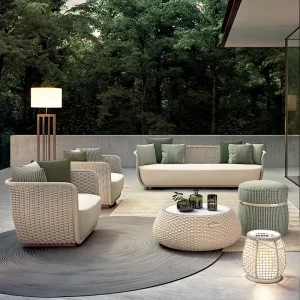
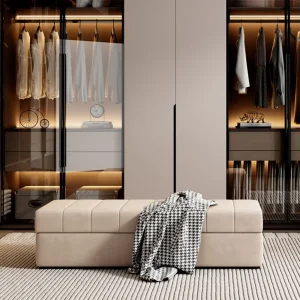
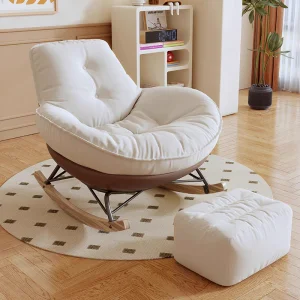
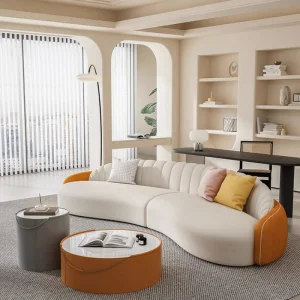
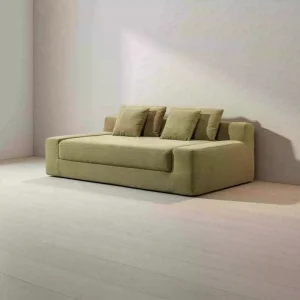
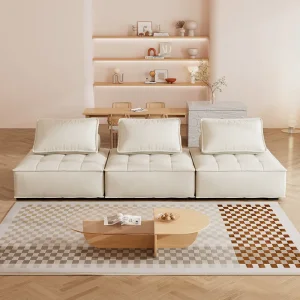
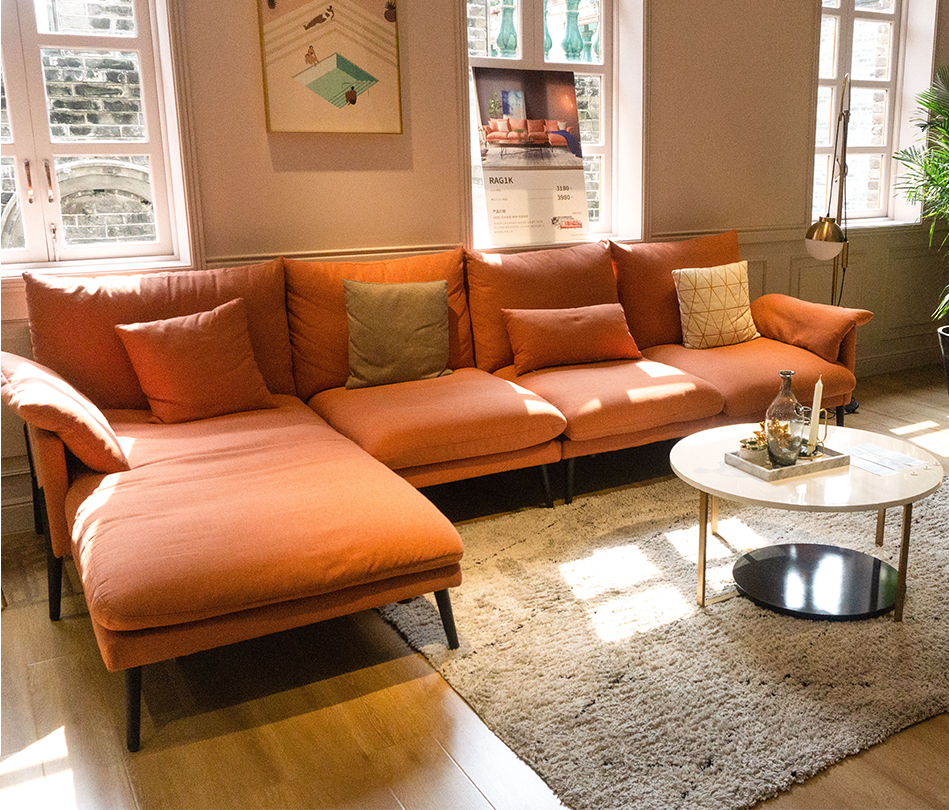
Modern minimalist sofas utilizing linen-blend fabrics for a natural aesthetic combined with increased durability for family use.
Acoustic panels and executive seating upholstered in heavy-weight linen to enhance workspace comfort and sound insulation.
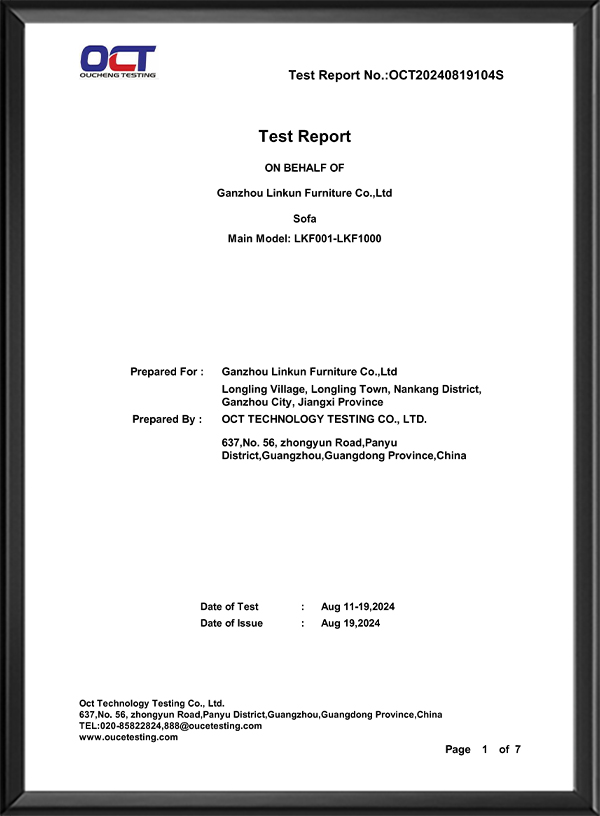
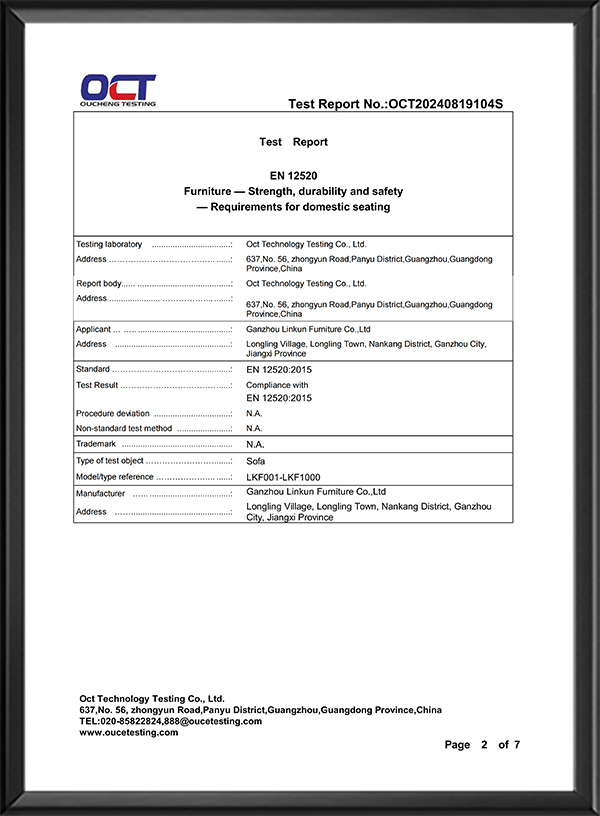
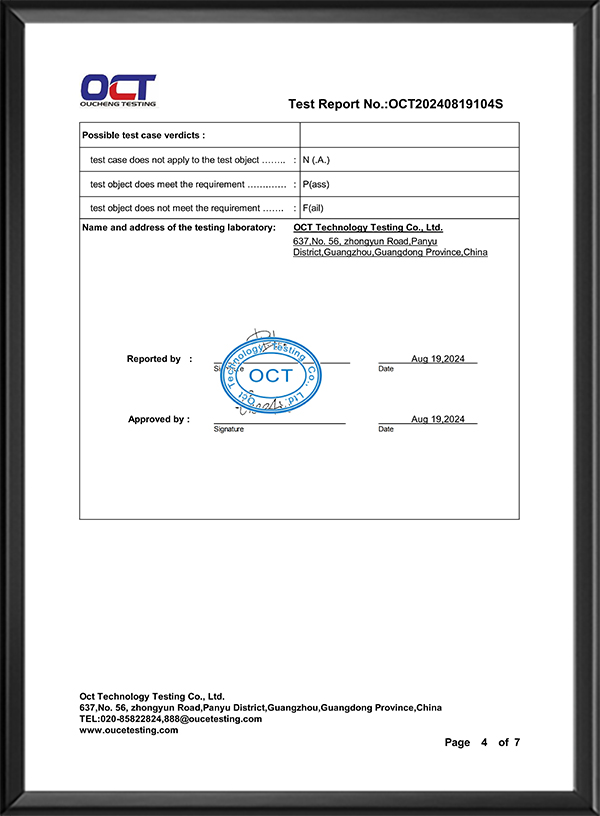
We are seeing an increase in linen fabrics treated with nano-coatings to provide stain resistance while maintaining the natural feel of flax. This is particularly popular for high-traffic commercial areas.
Global enterprises are moving away from multi-tiered sourcing. By partnering with a factory that owns the supply chain (like Ganzhou Linkun), businesses reduce lead times by 30% and significantly lower carbon footprints associated with logistics.
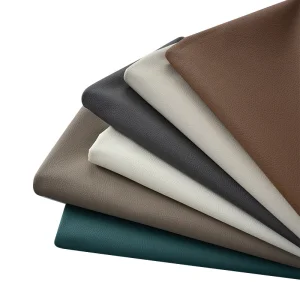
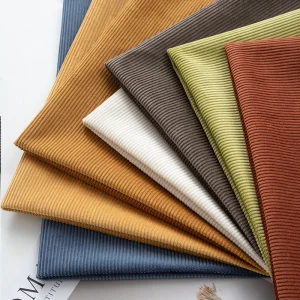
The 2025 market demands variety. Our OEM/ODM capabilities allow clients to request specific weave patterns, fabric densities (GSM), and eco-friendly dye lots for exclusive collections.
Located in Nankang District, Ganzhou City, Jiangxi Province, we operate our own supply chain and modern production base. This facility encompasses a 10,000-square-metre production plant, a 6,000-square-metre storage centre for raw materials and finished goods, and a 3,000-square-metre showroom showcasing premium furniture and raw materials.
Our integrated approach allows us to serve as both a high-tier factory and a design partner, bridging the gap between raw textile production and high-end furniture manufacturing.
 Linkun Furniture