Why Are Outdoor Chairs a Smart Choice for Your Patio?

Time:2026-11-13 Author:Liam
0%

Outdoor Chairs can turn an empty patio into a place for morning coffee, family meals, or a quiet pause after work. Their value is practical: the right seat makes an outdoor space easier to use, while offering a simple way to add comfort and character. But a chair that looks inviting in a product photo may feel cramped beside a small table. Fit matters.

Industry reports offer useful context, though they describe the wider outdoor furniture market rather than chairs alone. Grand View Research estimated that market at about USD 51.42 billion in 2023 and projected continued growth through 2030. Mordor Intelligence also tracks growth in the category, reflecting sustained interest in outdoor living products. These are market estimates, not proof that every household needs new patio furniture. Different research methods can also produce different forecasts.

For homeowners, a smart choice starts with the space itself. Measure the patio, leave room to walk, and consider how the chairs will handle sun, rain, and frequent use. A lightweight chair may be easy to move, yet less steady on a breezy deck. A sturdy finish may last longer, but still needs care. Small details count. Outdoor Chairs work best when comfort, materials, and real-life use align—not just when a trend or catalog image says they should.
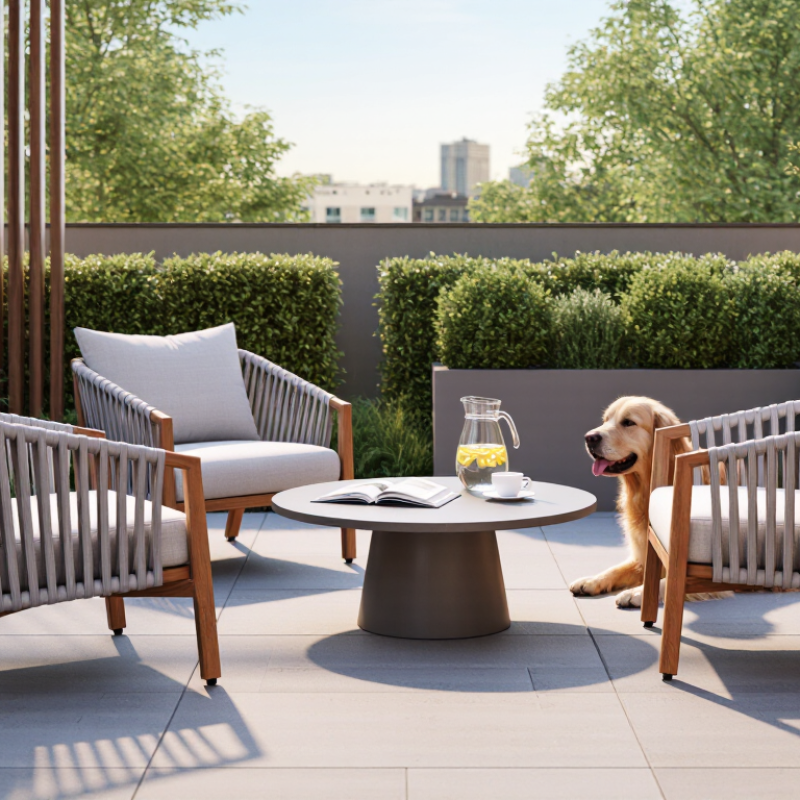
Why Are Outdoor Chairs a Smart Choice for Your Patio?

Outdoor Chairs Defined: Flexible Seating for Changing Patio Needs

Outdoor chairs are best understood as adaptable seats, not fixed patio furniture. A pair of lightweight chairs can frame a small table for coffee, then move aside when children need floor space or guests arrive. Stackable designs also make seasonal storage easier. That flexibility matters on patios where sun, shade, and daily routines keep changing.

The market reflects sustained interest in outdoor living: Grand View Research estimated the global outdoor furniture market at US$50.08 billion in 2023. This is a market-wide estimate, not proof that every chair is a good buy. Fit still matters. Measure the walking route, check chair weight, and consider whether cushions can be stored dry. A chair that looks inviting but blocks a door soon becomes a nuisance.

Small details count. One honest trade-off: lighter chairs move easily, but may shift in strong wind. Choose materials and proportions that suit your climate and storage space, and let the patio’s real use—not a staged photo—guide the arrangement.

Frame and Fabric Choices: Compare Weight, Corrosion Resistance, and Care

Outdoor chairs need to suit more than the view; their frames affect how easily you can move and maintain them. Aluminum is light, so one person can shift a chair to follow the afternoon sun. It resists rust, though thin frames may flex more than expected. Check joints and weight capacity, not just appearance. Steel feels steadier in wind but is heavier. Its protective finish matters: scratches can expose metal to moisture and corrosion. Teak and other outdoor-rated woods bring warmth, yet they need periodic cleaning and may change color. That trade-off is easy to underestimate.

Fabric choices shape comfort and upkeep. Solution-dyed acrylic often holds color well, while polyester can be a lighter, budget-conscious option; performance varies by weave and finish. Mesh dries quickly after a brief shower, but may feel firm during a long meal. Check the care label before using cleaners, and brush away grit before wiping fabric with mild soap and water. Let cushions dry fully before stacking them. Small habit. In daily use, damp seams can stay wet longer than the surface suggests. No material is completely maintenance-free, and the best choice depends on how much sun, rain, and storage your patio allows. A chair that looks perfect may still be awkward to carry upstairs.

Why Are Outdoor Chairs a Smart Choice for Your Patio? — Frame and Fabric Choices: Compare Weight, Corrosion Resistance, and Care

Category Material Weight Corrosion and Weather Resistance Typical Care
Frame Materials
Frame Aluminum Light; generally lighter than a comparable steel frame. Does not rust like ordinary steel. Its natural oxide layer helps resist corrosion, though salt and harsh chemicals can cause surface damage over time. Wash with mild soap and water. Rinse off salt or chlorinated water; check the finish for chips and touch up as appropriate.
Frame Powder-coated steel Heavy; provides a sturdy, less easily moved chair. The coating helps protect the steel, but scratches or chips can expose it to moisture and rust. Inspect joints and damaged areas regularly. Clean with mild soap and water, dry thoroughly, and promptly repair damaged coating according to the care instructions.
Frame Stainless steel Moderate to heavy; usually heavier than aluminum. Resists corrosion. Marine-grade 316 stainless steel generally offers better resistance to salt exposure than 304, but neither is maintenance-free. Rinse away salt deposits and clean with a non-abrasive cloth. Avoid chlorine-containing cleaners.
Frame Teak Moderate to heavy; solid hardwood frames can be substantial. naturally occurring oils help teak withstand outdoor conditions. Unfinished teak typically weathers toward a silvery gray; prolonged dampness can still encourage mildew. Brush off dirt and clean with a suitable mild wood cleaner. Use teak oil only if you want to maintain a darker color and the product instructions allow it.
Frame HDPE (high-density polyethylene) Varies by design; solid, thick sections can be heavy, while thinner components are lighter. Will not rust or corrode. Outdoor performance depends on UV stabilization; prolonged sun exposure can cause some products to fade or age. Wash with mild soap and water. Follow the manufacturer’s instructions for stains and avoid abrasive cleaners.
Seat and Back Fabrics
Fabric Solution-dyed acrylic Commonly about 200–300 g/m²; actual fabric weight varies by weave and construction. Does not corrode. Solution-dyed fibers generally offer good colorfastness in sunlight; mildew resistance does not mean the fabric cannot develop mildew when left damp or dirty. Brush off loose dirt and clean with mild soap and water. Let the fabric dry fully before storing.
Fabric Outdoor polyester Often about 150–300 g/m², depending on the fabric and coating. Does not corrode. UV resistance and water repellency vary; coatings and treatments can wear with use and cleaning. Use mild soap and water, avoid harsh chemicals, and follow care instructions for any water-repellent finish.
Fabric PVC-coated polyester mesh Often about 400–700 g/m²; mesh weight varies with yarn and coating thickness. Does not corrode and generally drains and dries quickly. Sunlight resistance depends on the yarn, coating, and product quality. Rinse or wipe with mild soap and water. Allow it to dry; periodically check seams and attachment points.

Note: Weight ranges are approximate and refer to fabric weight per square metre where shown. Finished-chair weight and durability vary with design, dimensions, hardware, coatings, and exposure. Follow the care instructions supplied with the chair.

Weathering Tests: ISO 4892-2 Uses Xenon-Arc Exposure for Plastics

Why Are Outdoor Chairs a Smart Choice for Your Patio?

Weathering Tests: ISO 4892-2 Uses Xenon-Arc Exposure for Plastics

Outdoor chairs can make a patio more comfortable, but their materials face sunlight, heat, and moisture. For plastic parts, ISO 4892-2 describes laboratory exposure using xenon-arc light. The light is designed to represent parts of natural sunlight. Test cycles may also include controlled heat and moisture. Details depend on the chosen method and product requirements.

During testing, plastic specimens are exposed under set conditions, then checked for changes such as fading, cracking, or loss of strength. This gives manufacturers useful evidence for comparing materials. It does not predict an exact service life outdoors. A patio’s shade, climate, cleaning routine, and chair construction all affect real-world wear. That is useful, but not the whole story. Even a well-tested chair can age unevenly; a sunlit armrest may fade faster than a shaded seat.

Tips: Ask whether testing covered the finished plastic or only a material sample. Check care instructions, too. Wipe away grit before it scratches the surface, and store cushions out of prolonged rain. Small habits help.

Safety Benchmarks: ASTM F1561 Covers Plastic Chairs for Outdoor Use

Why Are Outdoor Chairs a Smart Choice for Your Patio?

Safety Benchmarks: ASTM F1561 Covers Plastic Chairs for Outdoor Use

A patio chair should feel steady on paving, not wobble when someone leans back. ASTM International’s F1561 specification sets safety benchmarks for plastic chairs intended for outdoor use. Its test methods assess structural performance, including chair strength and stability, against defined requirements. These checks turn a vague claim of “sturdy” into measurable results. That matters.

For buyers, the standard is a useful reference when comparing chairs. Ask whether the product was tested to ASTM F1561, and check which edition the supplier used. A standard is not a guarantee against every tip, crack, or uneven patio surface. Placement and upkeep still matter. A chair can pass testing and still be damaged by prolonged sun exposure or rough handling.

ASTM F1561 is a technical specification, not a report of injury rates or a universal certification. Its value lies in its test framework: manufacturers can assess performance using consistent methods, while buyers gain a clearer benchmark. One detail is easy to overlook: “outdoor use” does not mean every chair suits every setting. Check the chair’s instructions, inspect joints and legs, and set it on firm, level ground. Even careful buyers may miss small cracks.

Why Are Outdoor Chairs a Smart Choice for Your Patio?

Outdoor UV Index ranges provide context for patio exposure. The chart shows the standard UV Index categories; it does not rate chair performance.

ASTM F1561 is a performance specification for plastic chairs intended for outdoor use. Check the applicable standard and the chair manufacturer’s care guidance when choosing patio seating. UV Index categories are published by the U.S. Environmental Protection Agency.

Patio Sun Planning: WHO Recommends Protection at UV Index 3 or Higher

Why Are Outdoor Chairs a Smart Choice for Your Patio?

Patio Sun Planning: WHO Recommends Protection at UV Index 3 or Higher

Outdoor chairs make a patio easier to use, but their placement matters when the sun is strong. The World Health Organization recommends sun protection when the UV Index reaches 3 or above. Check the daily forecast before settling in, especially around midday. A chair under an umbrella may feel cool, yet reflected sunlight can still reach your skin.

Tips: Move chairs as the shade shifts. Add a wide-brimmed hat, protective clothing, and sunscreen. Reapply sunscreen as directed on its label.

A flexible seating area can help you follow the shade instead of staying in one sunny spot. Keep a clear path between the chairs and a covered area, so moving indoors feels easy. Shade is useful, not complete protection, and its coverage changes through the day. It is easy to misjudge a patio’s shade from one quick glance. Check again after an hour.

FAQS

Why are outdoor chairs useful on a changing patio?

They can move around as the space changes. Place two beside a small table, then shift them to clear room for children or guests. Flexible, not fixed.

What should I measure before choosing outdoor chairs?

Measure doorways and walking routes, then check each chair’s width and weight. A bulky chair can block a door, even when it looks inviting.

Which frame material is easiest to move?

Aluminum is lightweight and resists rust, so one person can move it toward afternoon sun. Thin frames may flex, though. Check the joints and weight capacity.

How do steel and wood frames compare?

Steel feels steady in wind but weighs more. Scratches can expose it to moisture. Outdoor-rated wood adds warmth but needs periodic cleaning and may change color.

What fabric details matter for outdoor chairs?

Solution-dyed acrylic often holds color well, while polyester may be a lighter, budget-conscious choice. Mesh dries quickly after rain but can feel firm during long meals.

How should I care for outdoor chair fabric and cushions?

Brush away grit before wiping fabric with mild soap and water. Follow the care label. Let cushions dry fully before stacking them. Damp seams can stay wet.

What can ISO 4892-2 testing tell me about plastic chair parts?

It uses xenon-arc light, with controlled heat and moisture in some test cycles. Samples may be checked for fading, cracking, or reduced strength. Useful evidence, not a lifespan promise.

Do laboratory weathering tests predict how long a chair will last outdoors?

No. Shade, climate, cleaning, and construction all affect wear. A sunlit armrest may fade faster than a shaded seat. I would still check the care instructions.

Conclusion

Outdoor Chairs are a smart patio choice because they provide flexible seating that can be moved, rearranged, or stored as your needs change. The right design depends on how you use your space and how much upkeep you prefer. Compare frame materials for weight and corrosion resistance, and consider how fabrics handle moisture, sunlight, and routine cleaning. These details can help you choose seating that is practical for everyday outdoor use.

Durability and safety are also worth considering. ISO 4892-2 describes xenon-arc exposure methods used to assess how plastics weather under simulated sunlight, while ASTM F1561 addresses safety requirements for plastic chairs intended for outdoor use. For comfortable patio planning, pay attention to sun exposure throughout the day. The WHO recommends sun-protection measures when the UV Index reaches 3 or higher, so shade and suitable seating placement can make outdoor time more comfortable.


Liam

Liam

Liam is a dedicated marketing professional with a profound expertise in the industry, where he excels at highlighting the unique advantages of our core products. With a keen understanding of market trends and consumer needs, Liam frequently updates our company’s professional blog, providing......