When it comes to achieving better sleep, understanding mattress materials is crucial. According to Dr. Emily Winters, a leading expert in sleep science, “The right mattress material can drastically impact your sleep quality.” Different materials offer varying levels of support and comfort, influencing how well we rest each night.
Memory foam is known for its contouring properties, while latex provides a bouncier feel. Innerspring mattresses often appeal to those who prefer a traditional experience. Each type has its pros and cons, which can make the selection process daunting. A recent study found that many consumers struggle to choose the best mattress material for their personal needs.
It’s essential to reflect on your sleep habits and preferences. Do you need more support or cushioning? Are you sensitive to heat? An informed choice can lead to significant improvements in your sleep quality. Understanding mattress materials empowers you to make a decision that aligns with your unique comfort needs.
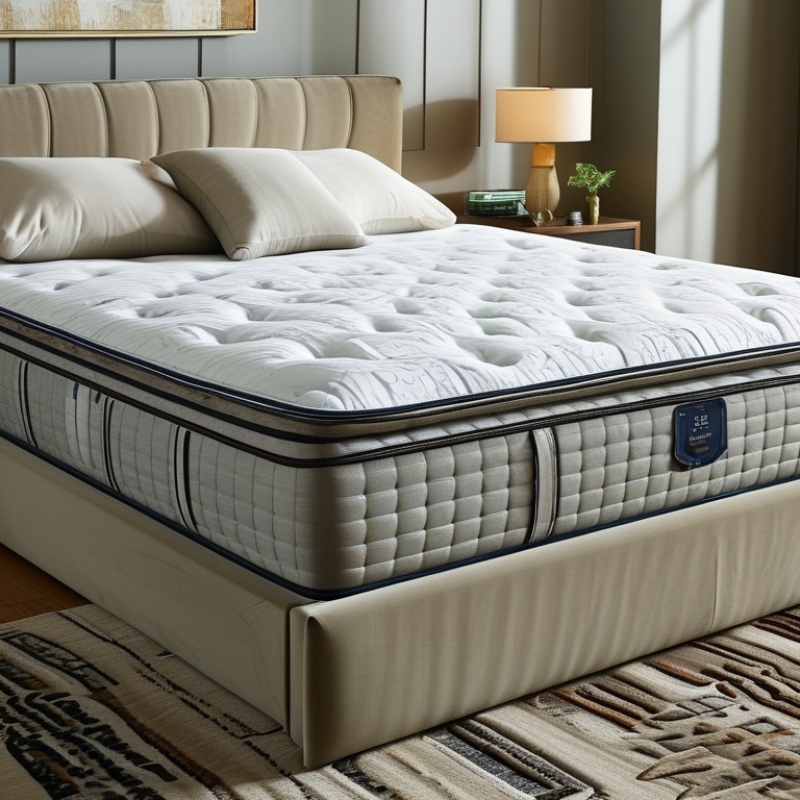
When choosing a mattress, the materials used play a crucial role in your sleep quality. Memory foam is one of the most popular options. It contours to your body, offering support in all the right places. However, it can retain heat, which might not suit everyone. If you tend to sleep hot, this could be a drawback worth considering.
Innerspring mattresses provide a different experience. They feature coils that offer good support and breathability. This design can help keep you cool during the night. On the downside, some people find innerspring mattresses less comfortable over time. Latex is another material worth mentioning. It is naturally breathable and can be quite durable. Still, some may find it too firm for their liking.
Exploring these options gives you various choices, each with its own strengths and weaknesses. Your ideal mattress depends on personal preference and sleeping habits. Take your time to consider what materials align with your needs. The key is finding a balance between comfort and support.
Memory foam mattresses have gained popularity due to their unique properties. They are known for contouring to the body's shape. According to a study by the Sleep Foundation, about 61% of sleepers report improved comfort with memory foam. This material can help reduce pressure points, which is important for side sleepers.
However, memory foam also has its drawbacks. Many users find them heat-retaining. A survey revealed that 40% of users experienced overheating during the night. Additionally, some people report difficulty moving when sinking into the foam. It can be challenging for those with mobility issues or arthritis.
While the support from memory foam is often praised, its long-term durability varies. Studies show that some brands may sag significantly within three years. It's essential to consider these factors before making a purchase. Ultimately, while memory foam can enhance sleep quality, it may not suit everyone’s needs perfectly.
Latex mattresses have gained popularity for their unique properties. They come in two main types: natural and synthetic. Natural latex is derived from rubber tree sap, making it eco-friendly. This option is biodegradable and free of harmful chemicals. It's breathable and hypoallergenic, providing a comfortable sleep environment. Many consider natural latex the gold standard for comfort.
Synthetic latex, on the other hand, is made from petrochemicals. While it can mimic the feel of natural latex, it may contain additives that affect its safety and durability. Synthetic options often come at a lower price, but they lack some environmental benefits. Users may notice a difference in breathability and longevity.
When choosing between these two types, think about your priorities. Consider how much you value sustainability versus cost. If allergens are a concern, natural latex may be better. However, synthetic could work for someone on a budget. Each material has its trade-offs; understanding them can inform your decision. Reflect on what matters most for your sleep quality.
| Material Type | Description | Advantages | Disadvantages | Durability |
|---|---|---|---|---|
| Natural Latex | Made from rubber tree sap, providing a natural sleeping surface. | Hypoallergenic, durable, and excellent support. | Can be expensive, may feel too firm for some. | 8-15 years |
| Synthetic Latex | Created using petroleum-based products for a similar feel to natural latex. | More affordable and maintains good elasticity. | Less durable and can off-gas chemicals. | 5-10 years |
| Memory Foam | Viscoelastic foam that conforms to the body, providing personalized support. | Pressure relief and motion isolation. | Can retain heat and off-gas odors. | 6-8 years |
| Innerspring | Traditional mattresses consisting of coils for support. | Good airflow and bounciness. | Less pressure relief and can be noisy. | 5-7 years |
| Hybrid | Combination of innerspring coils and layers of foam. | Offers benefits of both foam and innerspring. | Can be pricier and heavy to move. | 7-10 years |
Innerspring mattresses have been a popular choice for many years. They are constructed using coils that provide support and durability. The design allows for good airflow, keeping the mattress cooler during the night. This can be beneficial for people who often feel too warm while sleeping. However, not all innerspring mattresses perform equally.
When considering comfort, the type and number of coils matter significantly. A higher coil count usually means more support. The gauge of the wire also impacts firmness. Thicker coils can offer a firmer feel, while thinner coils provide a softer experience. It’s essential to find a balance that works for your body and sleep style. Test different models to see what feels best.
Moreover, the quality of the padding materials matters too. Layers of foam or fiber above the coils can enhance comfort. But, these materials can wear out faster. Over time, some innerspring mattresses could develop sagging or uneven surfaces. It's crucial to assess your mattress regularly and consider replacing it before major issues arise. This attention to detail can significantly improve your sleep quality.
Hybrid mattresses have gained popularity for their unique combination of materials. They merge the best features of innerspring and foam mattresses. This blend provides support, comfort, and breathability. Many people rave about their sleep quality on hybrids, but not all options are perfect for everyone.
In a hybrid mattress, a core of coils offers excellent support. These coils respond to your body weight, promoting proper alignment. On top of this, layers of memory foam or latex add comfort. They contour to your shape, reducing pressure points. However, some users find these mattresses too firm or too soft. Personal preference plays a crucial role.
While hybrid mattresses provide many benefits, they also have drawbacks. The combination of materials can lead to heating issues. Some people may feel too warm at night. Moreover, the quality of materials can vary significantly. It's essential to test different hybrids to find the right fit. Keep in mind that durability also depends on maintenance and usage.
: Memory foam mattresses contour to the body's shape, providing support and comfort to sleepers.
They reduce pressure points, which is crucial for side sleepers seeking comfort during the night.
Yes, many users find them heat-retaining, with 40% experiencing overheating while sleeping.
Some people struggle to move easily due to sinking, making it difficult for those with mobility issues.
Durability varies; some may sag within three years, affecting long-term support and comfort.
Hybrid mattresses combine innerspring coils and foam for support, comfort, and improved breathability.
Individuals may perceive hybrids as too firm or too soft, making personal comfort crucial in selection.
The combination of materials may cause some sleepers to feel too warm during the night.
It's important to test different options and consider material quality for the best fit.
Durability depends on the quality of materials, maintenance, and how the mattress is used.
When it comes to achieving better sleep, understanding various mattress materials is essential. This article provides an overview of common mattress materials, highlighting their unique characteristics and how they affect sleep quality. Memory foam mattresses, known for their contouring properties, offer great pressure relief but may retain heat. Latex mattresses, available in both natural and synthetic forms, provide bounce and durability, while also being hypoallergenic. Innerspring mattresses rely on steel coils for support and breathability, but their comfort can vary based on coil construction. Hybrid mattresses combine the best features of different materials, aiming to deliver optimal comfort and support.
Choosing the right mattress material is crucial for individual sleep preferences and needs. Each type of mattress presents distinct benefits and drawbacks, influencing factors such as temperature regulation, support, and durability. Ultimately, understanding these mattress materials helps consumers make informed decisions, ensuring a better night’s sleep tailored to their personal comfort requirements.

Linkun Furniture