How to Source Smart Furniture in 2026?
Smart Furniture is changing from a novelty into a practical workplace and home investment. Desks now track posture, beds adjust support, and tables manage charging without visible cables. Yet attractive technology can hide weak construction. A smooth product demo proves little about long-term reliability.
Effective sourcing begins with evidence, not promises. Buyers should examine materials, load ratings, battery safety, software updates, and repair options. Ask suppliers for test reports, warranty terms, privacy policies, and clear information about data storage. Certifications should come from recognized testing organizations. Product samples also deserve careful inspection. Check the frame, hinges, cable ports, controls, and packaging for damage.
Look beyond the showroom.
Reliable suppliers explain their manufacturing sites, component origins, and quality-control process. They should provide realistic lead times and replacement-part availability. A small pilot order can reveal delayed firmware, confusing instructions, or unstable connections. Those problems matter more than polished photographs. In 2026, compatibility will remain a practical concern. Furniture should work with common charging standards, smart-home platforms, and workplace systems whenever possible.
No checklist is perfect. I have seen promising products fail because their apps became unsupported after one year. Buyers should therefore compare total ownership costs, not only purchase prices. Consider installation, subscriptions, energy use, maintenance, returns, and responsible recycling. A trustworthy sourcing decision balances design, performance, security, and human comfort. The best Smart Furniture does not simply add features. It solves a repeated problem quietly, safely, and consistently.
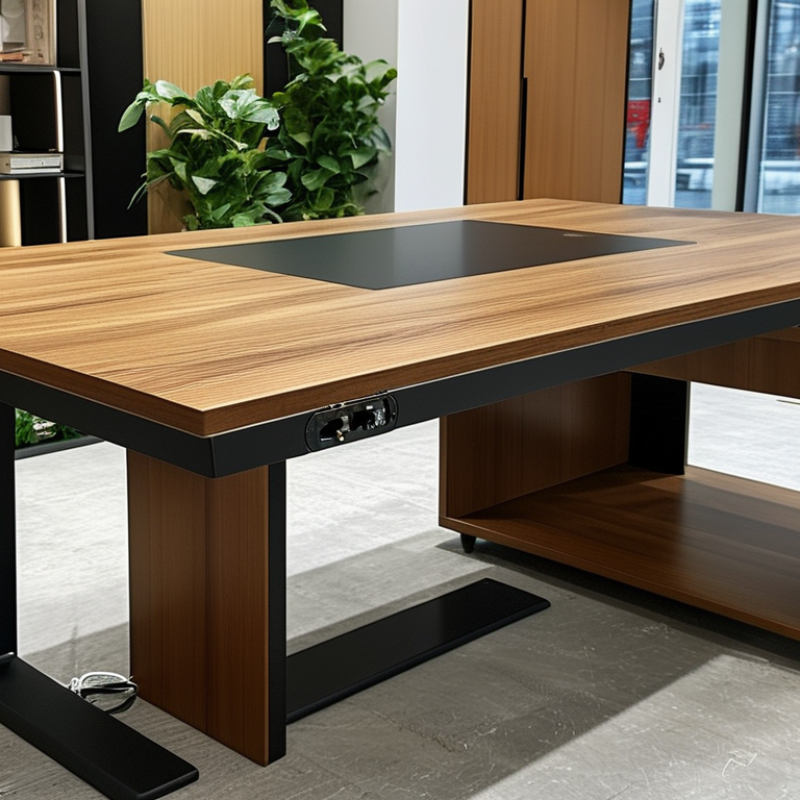
Smart furniture in 2026 combines ordinary household functions with responsive digital technology. A desk may adjust its height, remember user preferences, and warn about prolonged sitting. A bed can monitor sleep patterns, room temperature, and nighttime movement. The furniture remains useful without internet access. That detail matters.
Its core technologies include embedded sensors, low-energy wireless connections, edge computing, and adaptive software. Pressure sensors can detect posture or occupancy. Motion sensors can trigger lighting or safety adjustments. Voice or mobile controls may change settings, but physical buttons remain valuable during outages. Artificial intelligence can identify routines, although its predictions are not always correct. A chair might mistake quiet reading for inactivity.
Energy design is equally important. Rechargeable batteries, cable management, and efficient motors affect daily reliability. Some products use modular components, allowing a sensor or control panel to be replaced instead of discarding the entire unit. During sourcing, buyers should examine heat protection, load testing, data encryption, and clear privacy controls. Ask how long software support lasts. Ask what happens when support ends.
Good evaluation requires hands-on testing. Sit in the chair for thirty minutes, not three. Check motor noise in a quiet room. Test manual operation after disconnecting Wi-Fi. Review the instructions for children, older adults, and users with limited mobility. Smart furniture is not automatically better. It should solve a physical problem without creating a new digital one. Reliability often matters more than impressive features.
| Smart Furniture Category | Core Technology | Typical Measurable Data | Recommended 2026 Sourcing Requirement | Key Verification Documents | Sourcing Priority |
|---|---|---|---|---|---|
| Height-Adjustable Desk | Electric linear actuators Position memory Anti-collision sensing |
Height range: commonly about 60–125 cm Adjustment speed: commonly about 20–40 mm/s Load rating: supplier-declared static capacity |
Require tested stability at the highest position, overload protection, soft start and stop, low standby power, replaceable control components, and a clearly declared duty cycle. | Load and stability test report, actuator endurance test, electrical safety report, EMC test report, wiring diagram, and operating manual. | High |
| Smart Recliner or Motion Chair | Motorized adjustment USB power Optional pressure sensing |
Motor count: one or more USB output: specify port type and rated power Operating noise: supplier-declared dB(A) value |
Require pinch-point protection, manual release or safe reset behavior, accessible power isolation, fire-retardant upholstery where required, and defined cycle-life testing. | Mechanical durability report, flammability test, electrical safety certification, EMC report, motor noise test, and material declarations. | High |
| Connected Bed | Adjustable base Sleep sensors App connectivity |
Sensors: movement, pressure, temperature or sound Data interval: define sampling and upload frequency Operating modes: confirm preset positions and manual override |
Require a documented data-collection policy, local manual controls, a sleep-data export or deletion process, sensor calibration information, and a replaceable remote-control battery. | Privacy notice, cybersecurity questionnaire, software support policy, wireless test report, mattress compatibility data, and mechanical load test. | High |
| Smart Lighting Furniture | LED modules Dimming control Occupancy or ambient-light sensing |
Color temperature: specify fixed or tunable range Color rendering: request CRI value and test method Lifetime: specify rated operating hours and lumen-maintenance basis |
Require flicker-performance data, thermal management, replaceable drivers where practical, safe cable routing, and clear separation between low-voltage and mains-voltage parts. | Photometric report, LED driver safety report, EMC report, thermal test, ingress protection rating where applicable, and material safety documentation. | High |
| Smart Storage Cabinet | Electronic lock RFID or NFC Door-position sensor |
Access method: keypad, credential, app or mechanical override Battery life: supplier-declared usage assumptions Event log: define local storage and retention period |
Require emergency access, low-battery warning, offline operation, credential revocation, tamper detection, and a documented recovery procedure if connectivity is unavailable. | Lock endurance test, access-control specification, battery test, cybersecurity assessment, user-access matrix, and privacy documentation. | Medium–High |
| Connected Sofa or Lounge System | USB-C charging Wireless charging Presence sensing |
Charging output: state rated voltage and current Wireless charging: identify supported power profile Sensor accuracy: provide test conditions and tolerance |
Require foreign-object detection for wireless charging, thermal protection, independently replaceable power modules, concealed cable strain relief, and cleanability testing. | Charger safety report, thermal test, EMC report, upholstery durability test, cleaning-chemical compatibility data, and wiring inspection record. | Medium–High |
| Indoor Air-Quality Furniture | Air-quality sensors Ventilation or filtration Environmental dashboard |
Measured parameters: particulate matter, CO₂, temperature or humidity Accuracy: provide tolerance by parameter Filter rating: specify filter class and replacement interval |
Require sensor calibration guidance, maintenance alerts, airflow or clean-air performance data, filter availability, noise data, and a clear distinction between indicative and certified measurements. | Sensor calibration report, airflow or filtration test, acoustic test, filter material declaration, energy-consumption data, and maintenance instructions. | Medium |
| Modular Office Workstation | Occupancy sensing Power management Wireless connectivity |
Occupancy method: motion, pressure, infrared or other Power management: idle and active consumption Modularity: documented replaceable modules |
Require interoperability documentation, local fallback controls, modular replacement instructions, cable-management testing, and a five-year spare-parts plan. | Interoperability statement, electrical test report, furniture strength test, cable safety inspection, installation manual, and spare-parts commitment. | High |
| Smart Nursery or Care Furniture | Presence monitoring Temperature sensing Alerts |
Alert latency: supplier-declared test result False-alarm rate: test under defined conditions Data access: authorized users and retention period |
Require fail-safe behavior, clear alarm limits, manual monitoring alternatives, secure account management, minimal data collection, and an explicit statement that the product is not a medical device unless separately approved. | Risk assessment, alarm validation, cybersecurity documentation, privacy policy, electrical safety report, and user-safety instructions. | High |
| Outdoor Smart Furniture | Weather-resistant electronics Solar or rechargeable power Outdoor sensors |
Ingress protection: specify tested IP rating Operating temperature: declare tested range Battery capacity: state nominal energy and replacement method |
Require UV, moisture, corrosion, freeze-thaw, and battery safety testing appropriate to the installation environment. Specify drainage, charging access, and winter-storage procedures. | IP test report, UV-aging test, corrosion test, battery transport and safety documents, outdoor material test, and installation limitations. | High |
| Connectivity and Interoperability Layer | Bluetooth Low Energy Wi-Fi Thread Matter where applicable |
Network data: supported bands, range and fallback mode Protocol support: version and certification status Updates: delivery method and support period |
Prefer documented APIs or standard interfaces, secure onboarding, encrypted communication, signed firmware updates, offline operation for basic functions, and a defined end-of-support process. | Wireless certification, protocol declaration, penetration-test summary, update policy, software bill of materials where available, and data-flow diagram. | High |
| Power, Battery and Charging System | AC power supply Rechargeable battery USB-C power delivery |
Energy use: active, standby and charging consumption Battery: chemistry, capacity and expected cycle life Protection: over-current, over-temperature and over-charge |
Require region-specific plug and voltage options, accessible fusing where appropriate, battery replacement or recycling instructions, thermal protection, and a documented charging environment. | Electrical safety report, battery safety and transport documents, energy-consumption test, charger specification, thermal test, and end-of-life instructions. | High |
| Materials and Circularity | Modular construction Repairability Recycled-content disclosure |
Repair score: define component replacement steps Material data: mass by material and recycled content Service life: declared warranty and spare-parts period |
Prefer screw-fixed rather than permanently bonded electronics, accessible batteries, standardized fasteners, replaceable control boards, material traceability, and documented disassembly procedures. | Bill of materials, recycled-content evidence, restricted-substance declaration, repair manual, warranty terms, spare-parts list, and packaging specification. | Medium–High |
| Supplier Qualification | Technical capability Quality management After-sales support |
Quality indicators: defect rate, return rate and corrective-action time Production: capacity, lead time and minimum order quantity Support: firmware, spare parts and service coverage |
Use a weighted scorecard covering product safety, connectivity, durability, cybersecurity, documentation, serviceability, sustainability, total landed cost, and sample-to-production consistency. | Factory audit, quality-control plan, process-flow chart, incoming inspection standard, pilot-production report, corrective-action records, and reference test samples. | High |
It combines normal furniture with sensors, software, and adjustable mechanisms. A desk may remember height preferences and warn about long sitting. It should still work without internet access.
Common technologies include pressure sensors, motion sensors, low-energy wireless connections, and edge computing. Adaptive software can recognize routines. Predictions can still be wrong.
Good products retain basic functions offline. Physical buttons are useful when wireless controls fail. Test manual operation after disconnecting Wi-Fi.
Sit in a chair for thirty minutes. Check posture support, motor noise, frame strength, and surface durability. Test the furniture with different users.
Examine data encryption, privacy controls, and sensor behavior. Ask what information is stored and where. Clear answers matter more than clever features.
Calculate landed cost, not only the factory quote. Include shipping, duties, installation, software, maintenance, and warranty claims. Small costs can quietly grow.
Test charging speed, sensor accuracy, app stability, standby power, and assembly. Use an actual user, not only a technician. A beautiful prototype may still fail.
Confirm materials, order quantities, lead times, inspections, payments, and warranty terms. Start with a pilot batch. Photograph damaged cartons immediately.
Ask how long updates will continue and how replacement parts work. Check whether core furniture functions remain available. This answer is often incomplete.
No. It should solve a physical problem without creating a digital one. Reliability may matter more than extra features. Sometimes simpler is better.
Sourcing Smart Furniture in 2026 requires more than choosing products with connected features. Buyers should first understand the core technologies involved, such as sensors, automation, app controls, voice interaction, energy monitoring, and network connectivity. They also need to define the users, available space, daily routines, comfort expectations, and practical functions before comparing solutions. This process helps ensure that the furniture genuinely improves convenience, efficiency, accessibility, and space utilization.
A reliable purchasing strategy should include careful supplier evaluation, material and construction checks, software compatibility testing, and confirmation that products can integrate with existing systems. Buyers should also review sustainability practices, data protection measures, warranty terms, safety standards, and applicable regulatory requirements. Comparing total costs—not only the initial price—can reveal long-term maintenance and upgrade expenses. Whenever possible, request samples or demonstrations, test performance in realistic conditions, clarify delivery and support arrangements, and document every purchasing requirement. A structured approach reduces risk and helps organizations select Smart Furniture that is practical, secure, durable, and suitable for future needs.

 Linkun Furniture