Best Hotel Furniture Trends in China for Global Buyers?

Time:2026-05-25 Author:Charlotte
0%

The hotel industry in China is experiencing rapid transformation. The demand for stylish and functional hotel furniture is on the rise. According to recent market analysis, the hotel furniture sector is expected to grow at a rate of 6.5% annually, making it a prime area for global buyers.

Aesthetic appeal and durability are key trends in hotel furniture. Buyers are increasingly seeking eco-friendly materials. This shift aligns with sustainability goals embraced by many hotels worldwide. Data shows that 70% of hotel guests now prioritize environmental considerations during their stay. This focus is reshaping design choices.

As the market evolves, challenges remain. Not every manufacturer meets international standards for quality and safety. Buyers need to conduct thorough research. Investing in high-quality hotel furniture is essential for long-term success. Selecting the right pieces can enhance guest experience and improve overall satisfaction.
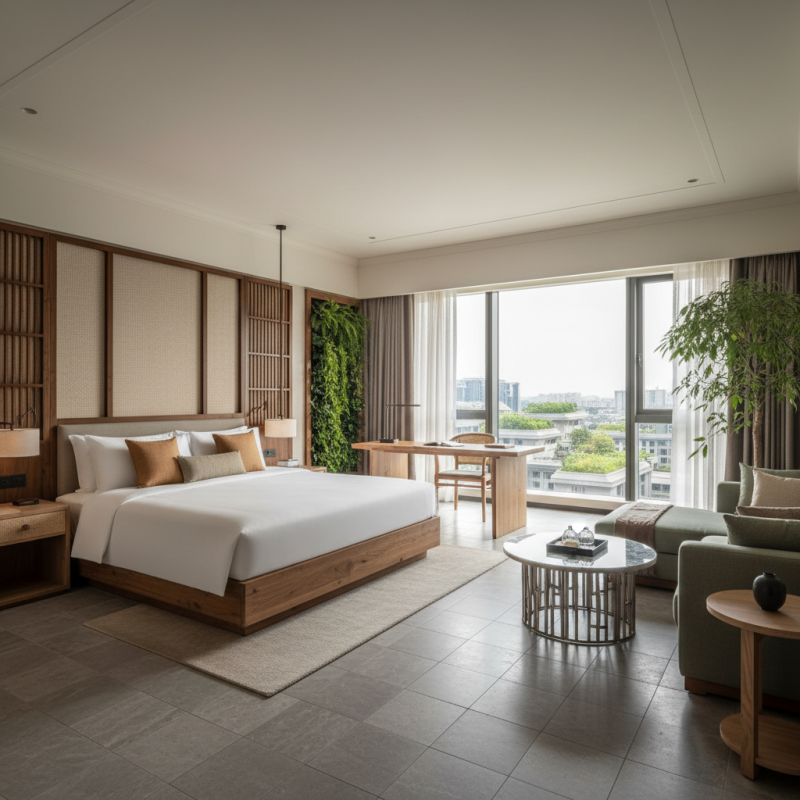
Best Hotel Furniture Trends in China for Global Buyers?

Emerging Materials in Hotel Furniture Design in China

As global buyers look to China for innovative hotel furniture design, emerging materials are playing a pivotal role. According to a recent industry report, the use of sustainable materials has surged, with over 30% of new hotel projects incorporating eco-friendly options. This shift reflects a growing commitment to environmental responsibility. Bamboo, recycled metals, and organic textiles are becoming popular choices among designers. These materials not only reduce carbon footprints but also enhance aesthetic appeal.

In addition to sustainability, technology integration is a trend to watch. Smart textiles that can change temperature or lighting settings are gaining traction. A study from the China National Furniture Association indicates that around 25% of hotels plan to integrate smart furniture in the next three years. This advancement sparks interest but also prompts questions about durability and user interaction. While the trend showcases innovation, it raises concerns about practicality and maintenance in busy hotel environments.

The challenge lies in balancing style and functionality. Many designers face difficulties in ensuring that new materials withstand daily wear and tear. Often, the aesthetic appeal does not translate into long-lasting furniture. This calls for a reevaluation of design priorities. Buyers must seek out manufacturers who can provide proven quality alongside cutting-edge design. The trend of emerging materials is exciting, but it is essential to address these practical considerations.

Sustainable Practices in Chinese Hotel Furniture Production

In recent years, the hotel furniture industry in China has witnessed a significant shift towards sustainability. A report by the China National Furniture Association indicated that around 70% of furniture manufacturers are adopting eco-friendly materials. This change reflects a growing awareness of the environmental impact associated with traditional furniture production.

Many manufacturers are now prioritizing renewable resources. Bamboo and recycled wood have become popular choices. These materials not only reduce deforestation but also create unique aesthetics for hotel interiors. Sustainability doesn't stop at materials; energy-efficient production processes are now the norm. According to industry studies, over 50% of factories have implemented practices that lower energy consumption.

However, challenges remain. Not all companies fully understand sustainable practices. This lack of knowledge can lead to inconsistent quality in products. Additionally, the higher costs associated with sustainable materials can deter smaller manufacturers from making the switch. The industry needs to foster better education on sustainable practices to bridge these gaps and ensure reliable and eco-friendly furniture solutions for global buyers.

Best Hotel Furniture Trends in China for Global Buyers

Trend Description Material Used Sustainability Rating Target Market
Minimalist Design Focus on simplicity and functionality, enhancing space efficiency. Reclaimed wood, metal High Boutique Hotels
Natural Textures Incorporation of materials that mimic natural elements for a more organic feel. Bamboo, linen, rattan Medium Eco-conscious Travelers
Smart Furniture Integration of technology into furniture design for enhanced guest experience. Engineered wood, composites High Luxury Hotels
Modular Furniture Flexible designs that can be rearranged to suit various space requirements. Recyclable metals, textiles Medium Business Hotels
Eco-friendly Finishes Use of non-toxic, biodegradable finishes to enhance sustainability. Natural oils, water-based paints High Green Hotels

Innovative Styles Reflecting Chinese Cultural Heritage

In the realm of hotel furniture, the interplay of tradition and modernity is crucial in China. This blend reflects the rich cultural heritage of the country. Innovative designs often draw inspiration from ancient Chinese aesthetics, showing elegance and functionality. For instance, intricate wood carvings and traditional motifs find their way into contemporary furniture pieces.

A closer look reveals that materials used are often locally sourced. Bamboo and silk are common, adding a unique texture and warmth. Artisans employ age-old techniques for crafting, ensuring quality and authenticity. This commitment to tradition, however, can sometimes overshadow modern design sensibilities. Balancing the two is a challenge many manufacturers face.

Ultimately, the evolution of hotel furniture in China showcases a commitment to cultural heritage. Yet, there is room for growth. The challenge lies in adapting these timeless elements to meet global standards. It’s important for designers to reflect on how heritage can coexist with innovation. The path forward should embrace both the old and the new, creating a cohesive narrative in hotel design.

Customization Trends for Global Hospitality Furniture Buyers

The customization of hotel furniture in China is rising rapidly, catering to the diverse needs of global buyers. A recent industry report from the China National Furniture Association indicates that over 70% of hospitality projects prioritize tailored solutions. This trend highlights the shift towards unique designs that reflect local culture and enhance guest experiences.

Buyers seek furniture that aligns with their brand identity. A significant portion of hotel operators now request eco-friendly materials. In fact, a report by Statista shows that 65% of consumers prefer sustainable options in hospitality settings. The push for customization often leads to challenges in production timelines and cost management. Buyers must balance these factors carefully while pursuing individuality in design.

Investing in bespoke furniture can boost a hotel's appeal. However, the initial costs can be high and lead to budget constraints. Furthermore, the long lead times for custom pieces may affect project schedules. These uncertainties require thorough planning and open communication between manufacturers and buyers to ensure successful outcomes. The focus on customization is an ongoing journey that demands adaptation and reflection in the evolving market landscape.

Technology Integration in Hotel Furniture Solutions in China

The integration of technology into hotel furniture design in China is transforming the hospitality sector. Innovative solutions are becoming essential for enhancing guest experiences. Smart technologies are increasingly embedded in furniture, including beds, desks, and lounges. For instance, some hotels feature beds with integrated charging ports and smart lighting systems. These advancements cater to the growing demand for convenience.

However, embracing technology comes with its challenges. Many hotel operators are hesitant to fully invest in high-tech furniture due to various factors, including initial costs and maintenance issues. The balance between aesthetics and functionality is critical. For example, while smart tables may improve usability, they can also complicate cleaning and upkeep.

Moreover, the quick evolution of technology can lead to obsolescence. Furniture designed with the latest tech today may seem outdated in a few years. Hotel owners must consider long-term sustainability and adaptability in their choices. Understanding these dynamics is crucial as global buyers navigate the latest trends in Chinese hotel furniture. Investing in versatile, tech-forward designs may yield significant benefits, but it requires careful thought and planning.

Best Hotel Furniture Trends in China for Global Buyers

This bar chart illustrates the emerging trends in hotel furniture solutions in China, focusing on technology integration, sustainable materials, and modular designs. The data reflects the growing interest among buyers in these areas over the past year.

FAQS

: What materials are trending in hotel furniture design in China?

: Sustainable materials like bamboo, recycled metals, and organic textiles are gaining popularity among designers.

How is technology impacting hotel furniture?

Technology integration includes smart textiles and furniture with charging ports and lighting systems, enhancing guest experience.

What challenges do designers face with emerging materials?

Many materials may not withstand daily wear and tear, raising concerns about durability and practicality.

Are traditional elements being used in modern furniture designs?

Yes, many designs incorporate traditional aesthetics, such as intricate carvings and silk, reflecting China's cultural heritage.

What concerns do hotel operators have about smart furniture?

Operators worry about initial costs, maintenance, and the balance between aesthetics and functionality in busy hotel environments.

How important is sustainability in new hotel projects?

Over 30% of new hotel projects now incorporate eco-friendly options, highlighting a commitment to environmental responsibility.

What does the evolution of hotel furniture indicate?

It showcases a dedication to cultural heritage while needing to adapt to modern global standards.

Can modern design overshadow traditional craftsmanship?

Yes, sometimes the focus on modernity can diminish the appreciation for traditional techniques and authenticity.

What should buyers consider when choosing furniture?

Buyers need to find manufacturers that balance quality with innovative design while addressing practical issues.

How does technology affect the longevity of furniture designs?

Rapid technological changes can make furniture seem outdated quickly, posing a challenge for long-term investment.

Conclusion

The article explores the latest trends in hotel furniture within China, highlighting the dynamic evolution of materials utilized in design. Emerging materials emphasize durability and aesthetics, aligning with the growing demand for sustainable practices in production. This shift not only reduces environmental impact but also resonates with global buyers seeking eco-friendly options.

Additionally, the innovative styles reflecting Chinese cultural heritage provide unique opportunities for hotel furnishings that appeal to diverse clientele. Customization trends are increasingly popular, allowing buyers to tailor solutions to their specific hospitality needs. Moreover, the integration of technology in hotel furniture solutions enhances functionality and guest experience, making Chinese offerings particularly attractive to global markets. Overall, the article outlines a vibrant landscape for hotel furniture, driven by creativity, sustainability, and technological advancements.


Charlotte

Charlotte

Charlotte is a seasoned marketing professional with a deep understanding of the company's portfolio and a passion for elevating its presence in the market. With a keen eye for detail and a commitment to excellence, she ensures that our professional blog is regularly updated with insightful articles......