Choosing the best Storage Wardrobe in 2026 requires more than comparing colors, prices, and glossy product photos. A practical wardrobe should fit your room, daily habits, clothing volume, and future needs. Measure the available wall twice, including skirting boards, door clearance, and ceiling height. A beautiful unit becomes frustrating when its doors collide with a bed or its shelves sit too high for everyday use.
Current designs increasingly combine adjustable shelves, soft-close doors, modular frames, and space-saving hanging systems. Materials also deserve close attention. Look for stable panels, reinforced joints, smooth drawer runners, and clear information about weight capacity. If possible, inspect sample edges and hardware in person. That small test can reveal more than a long online description. Reliable manufacturers should provide assembly instructions, care guidance, warranty details, and transparent material specifications.
I have learned that storage plans often fail because they focus on capacity alone. More space is not always better. Deep shelves can hide folded clothes, while narrow compartments may waste valuable room. Consider what you reach for each morning: jackets near the front, shoes below, and seasonal items higher up. Leave some empty space.
It matters.
This guide will examine how to compare wardrobe construction, layout, accessibility, durability, and visual fit in 2026. It will also question popular features that sound useful but may not suit every household. The best choice is rarely the most expensive option. It is the Storage Wardrobe that remains organized, safe, and genuinely convenient after months of real use.
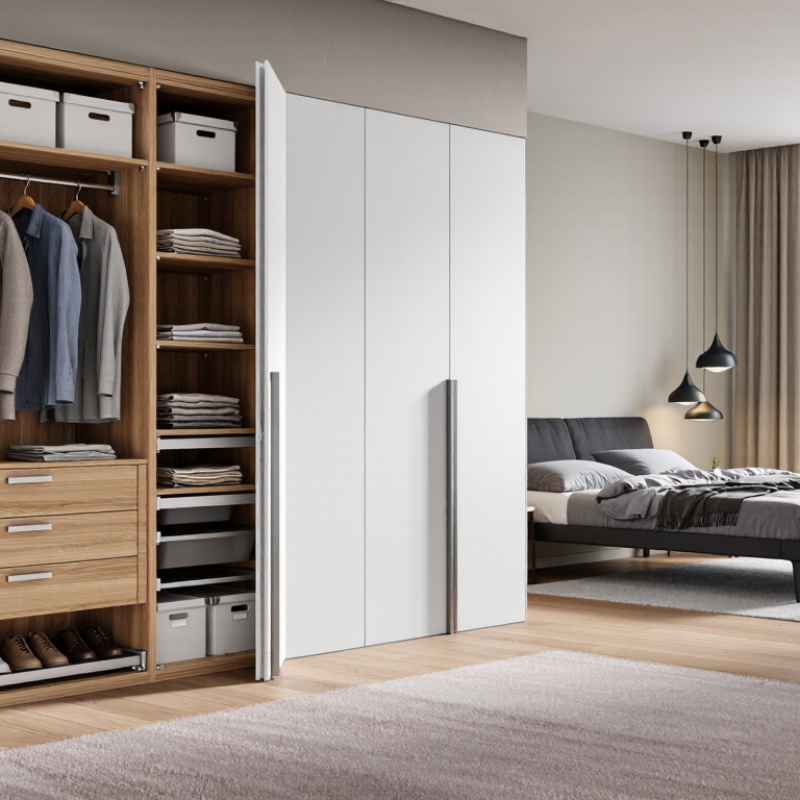
Before choosing a storage wardrobe, define what must live inside it. Count hanging garments, folded clothes, shoes, bedding, and seasonal items. Measure the tallest and widest pieces. A long coat needs more vertical room than a folded shirt.
Measure the available space at floor level, ceiling level, and behind nearby furniture. Walls are rarely perfectly straight. Record the room’s width, height, and depth in centimetres. Also check skirting boards, radiator positions, sockets, and door swings. Measure twice. Keep a margin.
A wardrobe should fit daily movement, not only an empty floor plan. Leave enough clearance to open doors, pull drawers, and walk comfortably. Sliding doors may suit a narrow room, while hinged doors can offer simpler access. Check the interior layout carefully. Adjustable shelves help when storage needs change. Strong hanging rails matter for heavier clothing. Avoid filling every compartment immediately; overloaded shelves can sag and make items difficult to reach. Not glamorous, but practical.
Think about access, too. Frequently used clothes belong between waist and eye level. Rarely used bedding can occupy higher shelves, provided lifting it remains safe. In real planning, people often underestimate future storage needs. I would add modest spare capacity, though too much empty space can waste money and floor area. A rough inventory, a scaled sketch, and honest measurements usually reveal whether the wardrobe is genuinely suitable.
How to Choose the Best Storage Wardrobe in 2026?
A wardrobe should match both your room and your daily habits. Freestanding models offer flexibility and easier relocation. Fitted wardrobes use wall height efficiently but require accurate installation. Modular designs sit between these options. They allow sections to change as your storage needs develop. Sliding doors save floor space, while hinged doors provide wider access at once. I prefer hinged doors when checking outfits quickly, but this choice depends on room clearance.
Measure the wall, skirting boards, ceiling height, and door swing before comparing sizes. A practical wardrobe depth is usually 55 to 60 centimetres for hanging clothes. Leave extra space for doors, handles, and uneven walls. Short garments need about 90 centimetres of hanging height. Coats and dresses may need 140 to 160 centimetres. Shelves should not be excessively wide, or folded clothes can collapse into untidy piles.
Capacity is more than the number of compartments. Count your shirts, trousers, coats, shoes, and seasonal items. Then allow some unused space. It matters. Drawers suit smaller accessories, while adjustable shelves handle changing storage needs. A transparent measuring sketch can prevent expensive mistakes. I once chose a tall unit without checking the ceiling trim. It fitted, but barely. That experience changed how I compare wardrobes: attractive capacity is not always usable capacity. Check load limits, ventilation gaps, door movement, and the quality of hinges before ordering.
| Wardrobe Type | Typical External Size (W × D × H) |
Approx. Hanging Capacity | Shelves / Drawers | Best For | Main Advantages | Important Limitations |
|---|---|---|---|---|---|---|
| Two-Door Hinged Wardrobe | 36–48 × 20–24 × 72–84 in (91–122 × 51–61 × 183–213 cm) |
Approximately 20–30 garments on one or two rails | 2–4 shelves; 0–2 drawers | Small bedrooms, guest rooms, and everyday clothing | Easy access, strong structure, simple interior layout, and generally good value | Doors require front clearance; usable width is limited compared with wider designs |
| Sliding-Door Wardrobe | 60–72 × 24–26 × 80–84 in (152–183 × 61–66 × 203–213 cm) |
Approximately 35–50 garments on one or more rails | 4–8 shelves; 2–4 drawers | Couples, larger bedrooms, and high-volume clothing storage | High capacity, wide interior, and no door swing into the room | Usually deeper and heavier; only part of the interior is directly accessible at one time |
| Corner Wardrobe | 36–48 in on each wall × 20–24 in deep × 72–84 in high (91–122 cm on each wall × 51–61 × 183–213 cm) |
Approximately 15–25 garments, depending on the corner layout | 2–5 shelves; 0–2 drawers | Rooms with unused corners or irregular floor plans | Uses difficult-to-fill corner space and preserves open wall areas | Corner sections can be difficult to reach; installation and measurement are more complicated |
| Open Clothes Rack | 31–47 × 18–22 × 65–78 in (79–119 × 46–56 × 165–198 cm) |
Approximately 15–25 garments on one or two rails | 1–5 open shelves; drawers uncommon | Renters, minimalist rooms, and frequently used clothing | Affordable, portable, quick to assemble, and easy to access | Clothes remain visible and collect dust more easily; stability depends on construction and anchoring |
| Modular Wardrobe System | 48–96 × 20–24 × 72–96 in (122–244 × 51–61 × 183–244 cm) |
Approximately 30–70 garments, depending on the configuration | 4–12 shelves; 2–8 drawers | Growing storage needs, dressing areas, and customized interiors | Flexible layout, expandable sections, and efficient separation of hanging and folded items | More planning and assembly; final cost and capacity vary widely by configuration |
| Portable Fabric Wardrobe | 35–55 × 18–22 × 65–70 in (89–140 × 46–56 × 165–178 cm) |
Approximately 15–30 garments on one or two rails | 1–6 fabric shelves; drawers uncommon | Temporary housing, dormitories, seasonal storage, and tight budgets | Lightweight, inexpensive, foldable, and easy to relocate | Lower load capacity, less protection from moisture and dust, and shorter expected service life |
| Children’s Wardrobe | 24–36 × 18–22 × 48–60 in (61–91 × 46–56 × 122–152 cm) |
Approximately 8–15 children’s garments | 2–5 shelves; 0–2 drawers | Children’s bedrooms, playrooms, and lower-height storage areas | Child-accessible height, compact footprint, and suitable organization for smaller garments | Limited long-term capacity; should be securely anchored to prevent tipping |
Materials and construction decide whether a wardrobe remains useful after years of daily opening, moving, and cleaning. Solid wood offers strength, but it can expand in humid rooms. Quality engineered wood may provide better stability when its edges are properly sealed. Inspect the surface closely. Uneven laminates, swollen corners, or sharp edge strips suggest weak moisture protection.
Look behind the doors. A firm back panel reduces wobbling, while reinforced joints help shelves carry folded clothing without sagging. Metal connectors should feel tight, not loose or decorative. Test the hinges several times. They should move smoothly and hold the door evenly. Sliding tracks need clean alignment and should not rattle when pulled.
I once trusted a heavy wardrobe that looked excellent in a showroom. Its lower joint loosened after repeated use. Weight can mislead.
Check the shelf thickness, base support, and wall-fixing options before purchase. A durable finish should resist light scratches and wipe clean without strong pressure.
Ask whether damaged hinges, panels, or handles can be replaced individually. Repairable construction often matters more than impressive appearance.
Measure your room carefully. Leave space for ventilation and door movement. Also inspect the wardrobe for chemical odors, especially in a closed room. A careful hands-on test reveals more than photographs, although even testing cannot predict every failure.
How to Choose the Best Storage Wardrobe in 2026?
Check Features, Organization Options, and Ease of Use
A good wardrobe should match daily routines, not only room dimensions. Measure the wall, door swing, ceiling height, and walking space before shopping. The 2024 NAHB What Home Buyers Really Want report lists laundry rooms among the most requested home features, with 86% of buyers rating them essential or desirable. This signals a broader preference for practical storage zones. A wardrobe should therefore support sorting, folding, hanging, and quick access.
Check adjustable shelves, strong rails, smooth drawers, and stable hinges. Adjustable parts matter when clothing sizes change. Full-height storage uses vertical space efficiently, especially in compact bedrooms. Look for separate areas for long coats, folded shirts, shoes, and small accessories. Clear labels or visible compartments can reduce searching time. However, more compartments do not always improve organization. I have found that excessive divisions can make cleaning awkward.
Tips: Leave about 8–10 centimeters between hanging garments. Use shallow drawers for socks and belts. Choose soft-close hardware for quieter mornings. Test the handles in person, if possible. A beautiful wardrobe can still feel inconvenient.
The American Cleaning Institute’s consumer research frequently links organized storage with easier household maintenance, but personal habits remain decisive. Consider who will use the wardrobe. Children may need lower rails. Older users may prefer wider handles and fewer bending movements. Check the interior under real lighting. Dark shelves can hide black clothing, and this small detail is easy to overlook.
Recommended evaluation weights for comparing wardrobe features, organization options, and ease of use.
Use this 100-point framework when comparing products: organization capacity receives the highest weight because shelves, drawers, and hanging zones determine usable storage. Adjustability, access, stability, and ventilation help ensure the wardrobe remains practical and safe over time.
Choosing the best storage wardrobe in 2026 starts with your room, not a passing trend. Measure the wall, ceiling height, door swing, and walking space carefully. A low price can hide thin panels, weak hinges, or costly delivery. Compare usable capacity, hardware quality, assembly service, and warranty terms before deciding.
Style should support daily habits. Sliding doors save space, while hinged doors provide wider access. Open shelving displays items but collects dust quickly. Check the panel finish under natural light. Smooth, sealed surfaces are easier to clean and resist small scratches.
I once selected a beautiful dark wardrobe that made a small bedroom feel cramped. The choice looked better online than inside the room.
Assembly deserves practical attention. Read the instructions and count every fitting before starting. Two adults usually handle tall frames more safely. Secure the wardrobe to the wall when the design requires it, especially in homes with children or uneven floors. Poor alignment can make doors drag within weeks.
I used to underestimate this step. That was a costly mistake.
Maintenance should remain simple. Leave slight space behind the wardrobe for airflow. Keep heavy items low and avoid overloading shelves. Wipe dust with a soft, lightly damp cloth, then dry the surface. Tighten loose handles every few months. Avoid harsh cleaners, because they may dull protective coatings. A wardrobe that needs constant adjustment is not truly economical, even when its purchase price seems attractive.
Measure the room’s width, height, and depth in centimetres. Check skirting boards, radiators, sockets, and door swings. Measure twice. Keep a margin.
Count hanging clothes, folded items, shoes, bedding, and seasonal belongings. Measure your longest coat and widest items. A long coat needs extra vertical space.
Leave enough clearance for walking, opening doors, and pulling drawers. Sliding doors may suit narrow rooms. Hinged doors offer simple access.
Adjustable shelves support changing storage needs. Strong rails hold heavier clothing securely. Smooth drawers and stable hinges improve daily use. Too many compartments can make cleaning awkward.
Keep frequently used clothes between waist and eye level. Place bedding on higher shelves only when lifting feels safe. Use shallow drawers for socks and belts. Keep about 8–10 centimetres between hanging garments.
Full-height storage uses vertical space efficiently. It works well in compact bedrooms. However, high shelves may become difficult to reach. Convenience matters more than maximum capacity.
Children may need lower hanging rails. Older users may prefer wider handles and less bending. Consider real routines, not just room measurements. People use storage differently.
Inspect the interior under normal room lighting. Dark shelves can hide black clothing. Test handles in person, if possible. A beautiful wardrobe may still feel inconvenient.
No. Leave modest spare capacity for future storage needs. Overloaded shelves may sag and become difficult to use. Too much empty space can waste money and floor area. I might underestimate future needs, even with careful planning.
Choosing the best Storage Wardrobe in 2026 begins with understanding your storage needs, room dimensions, and available floor space. Consider the amount and type of clothing, accessories, shoes, or household items you need to organize, then compare wardrobe styles, dimensions, shelving, hanging sections, drawers, and overall capacity. A well-planned choice should maximize storage without making the room feel crowded or difficult to navigate.
Pay close attention to materials, construction quality, stability, and long-term durability. Useful features such as adjustable shelves, smooth doors, practical compartments, and easy access can improve everyday organization. It is also important to balance the purchase price with style, assembly requirements, cleaning needs, and future maintenance. By evaluating function, appearance, usability, and lasting value together, you can select a wardrobe that fits your space, supports your lifestyle, and remains useful for years.

Linkun Furniture