How to Choose the Best Office Desks for Your Workspace?

Time:2026-05-28 Author:Charlotte
0%

Selecting the right office desks is crucial for productivity and comfort in any workspace. A well-designed desk not only enhances workflow but also contributes to employee well-being. According to a report by the International Ergonomics Association, inappropriate workstation setups can lead to a 33% decrease in productivity. This highlights the importance of choosing office desks that cater to individual needs.

When considering office desks, various factors come into play. Size, material, and ergonomics are key components. A study by the Office for National Statistics shows that workers using adjustable desks report a 25% increase in job satisfaction. Thus, investing in quality office desks becomes a logical choice.

Despite the importance of these choices, many businesses still overlook ergonomic principles. Some may rush through the selection process, ignoring their employees' unique requirements. As workspaces evolve, the demand for versatile and functional office desks will grow. Making informed decisions now can foster a more engaged workforce in the future.
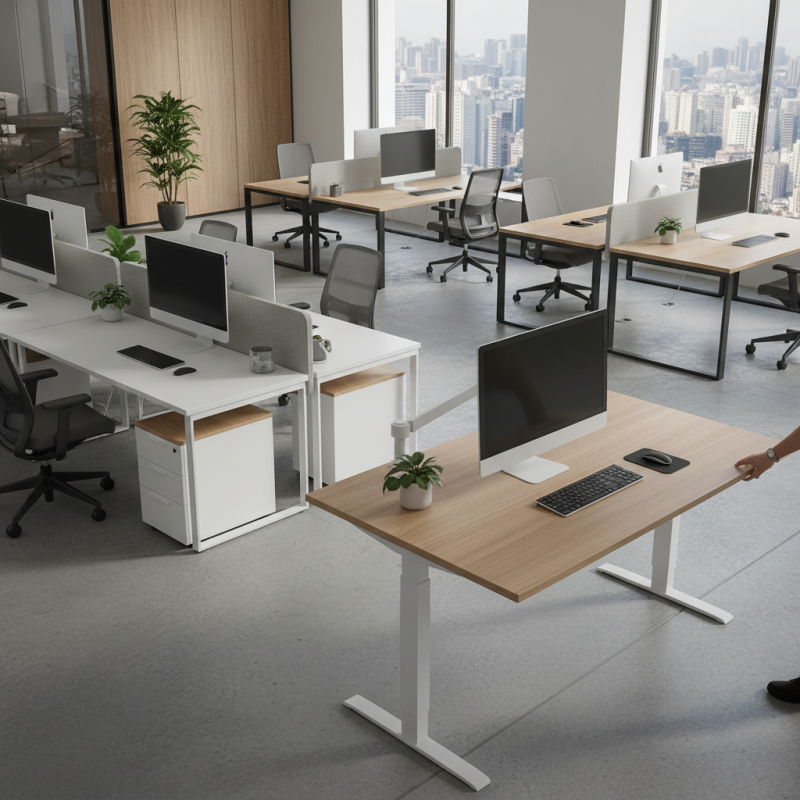
How to Choose the Best Office Desks for Your Workspace?

Factors to Consider When Selecting an Office Desk for Ergonomics

When selecting an office desk for ergonomics, several factors come into play. Comfort should be your top priority. A desk that promotes proper posture can prevent long-term health issues. Look for desks with adjustable heights. This feature allows users to alternate between sitting and standing. Flexibility is key in creating a dynamic workspace.

Consider the desk depth and width as well. A spacious surface allows you to arrange your workspace efficiently. It should provide enough room for your computer, paperwork, and other essentials. Don't overlook the importance of leg space. A cramped area beneath the desk can lead to discomfort.

Moreover, think about the materials used. Wooden desks often provide a sturdy feel. Metal frames may offer better longevity. Durability is vital, especially in high-traffic office environments. Reflect on your specific needs and personal style as well. There is no one-size-fits-all solution. Your desk should resonate with your work habits and preferences for optimal productivity.

How to Choose the Best Office Desks for Your Workspace? - Factors to Consider When Selecting an Office Desk for Ergonomics

Dimension Standard Measure Considerations
Height 28-30 inches Ensure desk height allows for comfortable arm positioning.
Width 48-72 inches Consider space for monitors, documents, and personal items.
Depth 24-36 inches Depth impacts legroom and space for equipment.
Weight Capacity 200-400 lbs Ensure the desk can support your equipment and accessories.
Material Wood, Metal, Laminate Choose a material that fits your style and durability needs.
Adjustability Manual, Electric Consider sit-stand options for flexibility and comfort.
Aesthetics Varies Select a design that complements your workspace decor.

Popular Office Desk Styles: Pros and Cons for Various Workspaces

When choosing office desks, design plays a crucial role. Popular styles include standing desks, executive desks, and modular desks. Standing desks promote movement and can improve focus. According to a study by the National Institute for Occupational Safety and Health, 59% of users reported increased productivity when using standing desks. However, they may not be suitable for everyone, leading to fatigue after prolonged use.

Executive desks offer a sense of authority and spaciousness. They often come with ample storage, making them ideal for high-level executives. However, their bulkiness can overwhelm smaller spaces. A report from the Interiors Institute highlights that 37% of organizations struggle with space efficiency due to oversized furniture. Lastly, modular desks provide flexibility. Their adjustable components allow customization for varied tasks. Yet, while they encourage collaboration, they may lack the personal touch many employees desire, as noted in recent workplace design surveys.

Office Desk Styles: Pros and Cons

Materials and Durability: Choosing Quality Desks for Long-Term Use

When selecting an office desk, material choice plays a crucial role in durability and overall quality. Solid wood desks are a popular choice for their longevity and natural aesthetic. They can withstand years of use if properly maintained. However, they may not be the best fit for every budget or workspace. Alternative materials like laminate or metal can offer excellent durability at a lower cost. Each option presents its own advantages and potential drawbacks.

Consider your workspace environment before making a decision. For example, a desk made of lighter materials may be easier to move, but it might not hold up under heavy loads. On the other hand, heavier desks provide stability but can be cumbersome. Reflect on your everyday tasks, too. A desk that looks good may not always be practical. Test different materials to see how they align with your work habits.

It's essential to recognize that not all materials offer equal durability. Some desks may look sturdy but can wear down quickly under stress. Look for desks with warranties or company reputations that emphasize quality. This can ensure your investment lasts. A good desk should support both your work and well-being, contributing to a productive atmosphere without breaking down early.

Space Optimization: Measuring Your Area for the Right Desk Size

Selecting the right desk for your workspace is critical. It starts with measuring your area carefully. Small spaces require desks that maximize functionality without crowding. Take accurate measurements of your room's length and width. Pay attention to doorways and windows, as well.

Tips: To visualize the space, use painter’s tape on the floor to outline the desk’s dimensions. This trick can help you see how much room is left for movement.

Consider your activities in that space, too. Will you collaborate often? Choose a round desk for better interaction. If you focus on tasks, a rectangular desk may fit better. Remember, balance workspace needs and comfort to boost productivity.

Tips: Before buying, try working on a similar desk style at a friend’s office or a co-working space. This test can unveil unexpected pros and cons about your prospective desk choice.

Budgeting for Office Desks: Average Costs and Essential Features to Include

When budgeting for office desks, understanding average costs is crucial. The price range for quality desks typically falls between $200 and $2,000. According to a report by IBISWorld, businesses can allocate about $400 per desk on average. This amount covers decent aesthetics and functionality.

Essential features to consider include ergonomic design, durability, and sufficient workspace. Ergonomic desks often range from $300 to $800. These prices reflect their adjustable heights and support for long hours of work. A study from the Journal of Occupational Health Psychology indicates that investing in ergonomics reduces workplace injuries and enhances productivity.

While many prioritize aesthetics, it's important not to compromise on functionality. Desks with built-in storage and cable management are essential. They prevent clutter, and studies suggest that a tidy workspace can improve focus. However, choosing a lower-cost desk might mean sacrificing material quality. A cheaper option today could lead to replacements sooner. Thus, understanding your workspace needs and budget ensures a better long-term investment.

FAQS

: What are the benefits of standing desks?

: Standing desks promote movement and can improve focus. Users often report increased productivity while using them.

Are standing desks suitable for everyone?

No, standing desks can lead to fatigue after prolonged use. Individual comfort levels vary widely.

What advantages do executive desks provide?

Executive desks offer spaciousness and storage options. They convey authority but may be too large for small spaces.

What challenges do oversized furniture present?

Oversized desks can overwhelm smaller areas. Organizations struggle with space efficiency due to bulky furniture.

How can modular desks enhance office layout?

Modular desks allow for flexibility and customization. They encourage collaboration but may lack personalization.

What should I consider when measuring for a desk?

Measure the room's length and width accurately, considering doorways and windows. This ensures proper fit.

How can I visualize the desk space before purchasing?

Use painter’s tape to outline the desk dimensions on the floor. This helps gauge space for movement.

Why is it important to test a desk style before buying?

Trying out a desk at a friend’s office can reveal unexpected pros and cons. This experience is valuable.

What should I focus on when choosing a desk shape?

Consider the nature of your tasks. Round desks encourage interaction, while rectangular desks suit focused work.

Conclusion

Choosing the right office desks is crucial for creating an efficient and comfortable workspace. When selecting an office desk, it's essential to consider ergonomics to ensure proper posture and reduce strain during long working hours. Additionally, understanding the various styles of office desks, alongside their pros and cons, can help tailor the choice to fit different workspace needs, whether it's for a compact home office or a large corporate environment.

Materials and durability also play a significant role; opting for quality desks can lead to long-term satisfaction and usability. Proper space optimization involves measuring your area to find a desk that fits well without overcrowding. Finally, budgeting for office desks should include an analysis of average costs and the essential features that can enhance productivity. By carefully evaluating these factors, you can select the ideal office desks that meet your functional and aesthetic requirements.


Charlotte

Charlotte

Charlotte is a seasoned marketing professional with a deep understanding of the company's portfolio and a passion for elevating its presence in the market. With a keen eye for detail and a commitment to excellence, she ensures that our professional blog is regularly updated with insightful articles......