When it comes to securing furniture, selecting the right furniture locks is essential. Industry expert Sarah Johnson, a well-known authority in home security, emphasizes, “Choosing the right locks can safeguard your belongings and provide peace of mind.” As you navigate through various options, understanding your specific needs becomes critical.
Furniture locks are not just about safety; they enhance the functionality of your spaces. Picture your office with a locked cabinet, ensuring documents are safe. Think about children's rooms and the importance of accessible yet secure storage. Each situation demands a tailored approach.
However, the sheer variety of furniture locks can be overwhelming. It’s important to balance security with practicality. While some locks might seem sturdy, they could fail in real-world usage. Reflect on the materials and designs that suit your furniture. What works for a wooden cabinet may not fit a metal one. Taking the time to analyze your requirements will lead to the best choices.
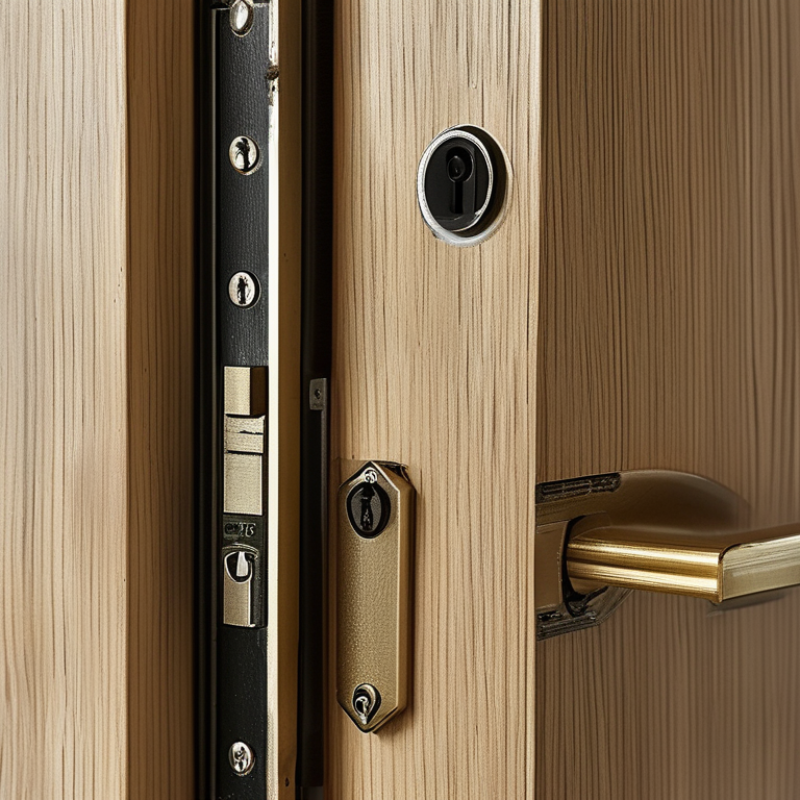
When selecting furniture locks, several factors come into play. Security is the primary concern for many. According to a survey by the Security Industry Association, 70% of stolen items from furniture compartments were due to inadequate locking mechanisms. A strong lock can deter theft and protect valuables effectively.
Material is another critical consideration. Metal locks typically offer better durability than plastic ones. A report from the National Institute of Standards and Technology indicates that metal locks can withstand higher levels of impact. This can be crucial in areas where furniture is frequently moved or used.
Compatibility with existing furniture is also vital. Ensure the lock matches the design and structure of your furniture. Some locks may require specific installation tools or techniques. This can be a point of frustration for users who may not have the necessary skills. Researching installation methods can save time and ensure the lock functions correctly. If a lock is too complex, users might face ongoing issues.
When selecting furniture locks, understanding the types available is crucial.
Three primary options to consider are keyed locks, combination locks, and electronic locks.
Keyed locks are traditional and often provide a sense of security. They are straightforward to use but can be lost easily.
A misplaced key can make accessing your furniture a hassle.
Combination locks eliminate the need for keys. Users set a specific code to unlock them.
This option is often perceived as more secure since there are no physical keys to lose.
However, forgetting the code can lead to locked furniture, causing frustration.
Users must weigh convenience against the risk of forgetfulness.
Electronic locks offer advanced features, such as biometric scanning or smartphone access.
While these locks provide exceptional security and ease of use, they are often more complex.
The reliance on batteries can pose a problem if they die unexpectedly.
Each type has its pros and cons, so careful consideration is necessary based on personal preferences and needs.
When assessing the security level required for your furniture, consider your specific needs. Think about the environment where the furniture will be located. High-traffic areas may need stronger locks, while private spaces might require less security. The type of items stored within the furniture also plays a crucial role. Valuable possessions deserve a higher level of protection.
Evaluate the potential threats to your furniture. Are there children or pets around? This can dictate the necessity for childproof locks. Consider whether the furniture is at risk of theft. In cases of valuable items, a more robust locking system is essential. Assessing these factors will help identify the best lock type for your needs.
Additionally, reflect on your daily routine. Do you frequently need access to the contents? If so, you might prefer locks that offer convenience alongside security. There is often a trade-off between ease of use and safety. Sometimes, a balance is necessary to ensure both accessibility and protection. Take your time to weigh these options carefully.
| Lock Type | Security Level | Best Use Case | Price Range |
|---|---|---|---|
| Cam Lock | Low | Lightweight furniture, cabinets | $5 - $15 |
| Keyed Lock | Medium | Cabinets, safes | $15 - $40 |
| Digital Lock | High | High-security furniture, safes | $50 - $150 |
| Fingerprint Lock | Very High | Highly sensitive materials, personal safes | $100 - $300 |
| Biometric Lock | Very High | Secure high-value items | $200 - $500 |
When choosing the best furniture locks, understanding installation methods is crucial. Different lock types come with varying features and requirements. For instance, cam locks and bolt locks are popular for cabinets. Cam locks typically require drilling a hole into the door. It's essential to measure the lock's diameter to avoid misalignment.
Installing a deadbolt lock may seem straightforward. However, precise measurements are critical. The alignment of the bolt with the strike plate can affect its functionality. A poorly aligned deadbolt may lead to structural stress over time. Make sure to follow the instructions carefully.
Tips: Always use a level to ensure your lock is straight. This can save you from future issues. Consider the material of your furniture too. Wood and metal may need different drill bits and techniques. Lastly, if possible, practice on scrap material. This way, you can refine your technique before working on your actual furniture.
When budgeting for quality furniture locks, understanding your needs is crucial. Costs can vary significantly. Basic locks start at a modest price, but advanced options may require a larger budget. You may find that investing in stronger materials pays off in the long run. Look for locks made from durable metals or those with corrosion-resistant features. These investments can enhance security and durability.
Tips: Always test the locks before purchasing. Ensure they fit well with your furniture and are easy to operate. Consider the installation process as well; some locks may require professional help, which can add to your overall expenses.
Keep in mind that cheap locks might not offer the security you need. Think about your specific requirements—lock sizes, shapes, and security levels. Each piece of furniture may have different vulnerabilities. Reflect on where you want to use these locks and whether your choices meet those needs.
Balancing cost with quality is essential for effective security solutions.
: Security is crucial; 70% of furniture thefts occur due to poor locking mechanisms.
Metal locks are more durable than plastic. They withstand impacts better, especially in high-use areas.
Choose locks that match your furniture's design and structure. This ensures compatibility and proper function.
Costs range widely. Basic locks are cheaper, but stronger locks may be worth the investment for security.
Yes, testing is essential. Ensure the lock fits well and operates smoothly on your furniture.
Complicated installations can lead to frustration. Research methods or consider enlisting professional help if needed.
Cheaper locks may lack adequate security. Evaluate your needs carefully before choosing a low-cost option.
Different furniture pieces can have unique vulnerabilities. Reflect on usage areas and their specific security needs.
Look for features like corrosion resistance and robust materials. They extend the lock's lifespan significantly.
Some users find compatibility challenging. Not all locks fit all furniture, so thorough research is needed.
When choosing the best furniture locks for your needs, several factors must be considered. These include the type of locks available—keyed, combination, and electronic—each offering different levels of security and convenience. Assessing the security level required for your specific furniture is crucial, as it influences the type of lock to install. Understanding the installation methods for these various lock types is also essential to ensure proper fit and function.
Additionally, budgeting for quality furniture locks is important. While prices may vary, investing in a reliable locking mechanism can provide peace of mind and long-term durability. By taking these factors into account, you can choose furniture locks that best suit your security needs and overall budget.

Linkun Furniture