Choosing the right office furniture is crucial for enhancing productivity. According to Dr. Sarah Thompson, a leading expert in office ergonomics, "The right furniture can turn a space into a hub of innovation." Her insights emphasize the importance of thoughtful selection in office design.
When looking for office furniture, consider how it affects comfort and efficiency. An ergonomic chair can make long hours manageable. A spacious desk can help you stay organized. However, many forget to balance style with functionality. Sometimes, a beautiful desk might not support your workflow.
It’s also essential to be mindful of clutter. A well-organized workspace leads to clearer thinking. Take the time to assess not just aesthetics but the actual use of each piece. Reflect on what truly helps you focus. In the end, the best office furniture should serve both your needs and the needs of your team.
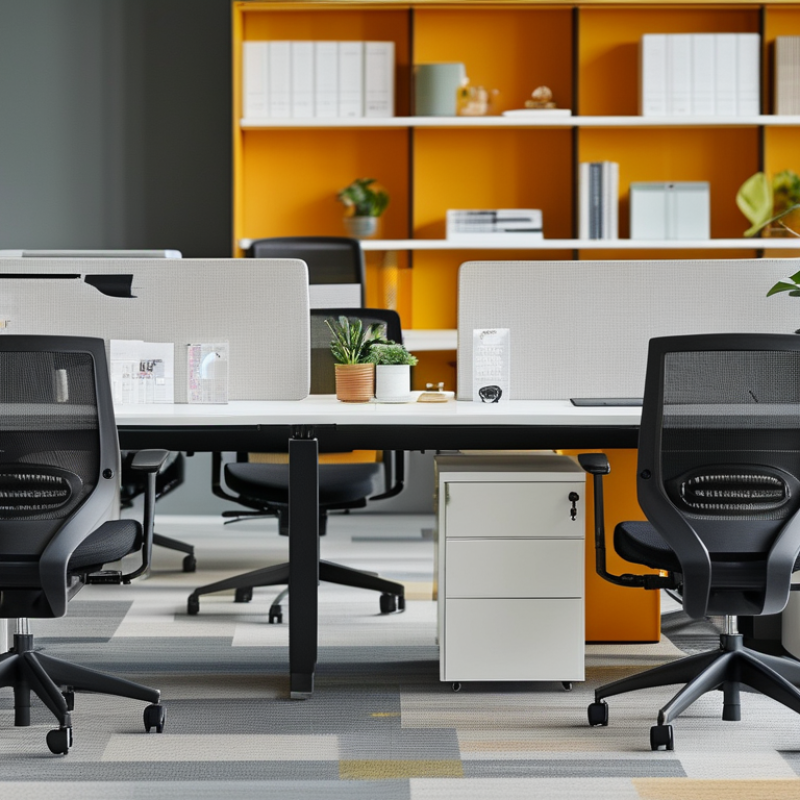
Choosing the right office furniture is crucial for enhancing productivity. The layout and design of an office influence how employees engage with their tasks. A well-structured space promotes focus, while clutter can easily lead to distractions. Consider incorporating ergonomic chairs. They support posture and reduce fatigue during long hours of work. A comfortable workspace can enhance concentration.
It's essential to reflect on the flow of the office. Open spaces may encourage collaboration but can also create noise. Adding designated quiet areas can help employees recharge. Desks should be spacious enough for essential tools without overwhelming the surface. A balance between personalization and professionalism is key. This allows employees to feel a sense of ownership over their space.
Lighting plays a significant role, too. Natural light boosts mood and energy levels. If that’s not possible, adjustable lighting options can help tailor the environment. Also, think about storage solutions. Insufficient storage can lead to disorganization. Ensuring that all items have a place can help maintain a clean and efficient workspace. It's vital to reassess these elements regularly and adjust based on feedback and productivity levels.
Choosing the right office furniture can significantly impact productivity in the workplace. Consider ergonomic designs that support health and comfort. An adjustable chair can alleviate back pain during long hours. A height-adjustable desk gives flexibility for sitting or standing. Employees should feel engaged and comfortable in their spaces.
Color psychology also plays a role. Soft blues and greens promote calmness, while vibrant reds and yellows can energize a room. Incorporating plants can improve air quality and create a more inviting atmosphere. However, too much color can be distracting. Balance is key when creating a productive space.
Finally, assess the layout. Ensure there's enough space for movement. Cluttered areas can lead to reduced focus. Strategic placement of furniture can enhance collaboration, but the furniture should not obstruct pathways. Reflect on how the space feels. Make adjustments based on the team's needs and feedback. A workspace should evolve with the company culture and workflow demands.
Creating a workspace that enhances productivity begins with careful consideration of ergonomics. Selecting furniture that prioritizes comfort is vital for employee health. An adjustable chair can dramatically change comfort levels. Employees must be able to support their backs and reduce strain throughout the workday. Tables should also be at the correct height to avoid improper posture.
Consider integrating standing desks into the work environment. These desks encourage movement and can lead to increased energy levels. However, not everyone might feel comfortable transitioning to a standing setup. It’s important to allow flexibility, as individual preferences will vary. Ergonomically designed keyboards and monitors can also prevent repetitive strain injuries.
While these furniture choices appear beneficial, it’s essential to stay attentive to employee feedback. Not all solutions will be universally accepted. Regularly assessing comfort in the workplace can keep health issues at bay. Errors can occur when overlooking personal needs regarding workspace arrangements. Building a mindful workspace requires ongoing evaluation and adjustments based on daily experiences.
Creating an inspiring office environment requires careful attention to design and aesthetics. Color plays a crucial role in influencing mood and productivity. For instance, warm colors like yellow or orange can spark creativity. However, too much saturation may overwhelm. Striking a balance is essential.
Furniture selection also impacts the overall feel of an office. Ergonomic chairs ensure comfort, promoting longer focus during tasks. A clutter-free space allows for clear thinking. Consider adding plants; they offer a touch of nature. Some find it hard to focus without natural elements around them.
Lighting should not be overlooked. Natural light enhances alertness and energy levels. However, artificial light can create harsh shadows. Adjusting the intensity helps maintain a pleasant atmosphere. An inspiring office environment is about trial and error. Each design choice brings lessons for future improvements.
Choosing the right office furniture can significantly impact productivity in modern workplaces. Flexible and functional furniture solutions are crucial in creating an adaptable environment. According to a report by the World Green Building Council, establishing a healthy workspace can increase productivity by 8-11%. Versatile furniture options like height-adjustable desks and modular seating can accommodate diverse work styles. They allow employees to shift between sitting and standing, enhancing focus and reducing fatigue.
Incorporating multipurpose furniture can also maximize the use of space. Desks with built-in storage provide organization while minimizing clutter. This strategy allows for better concentration on tasks. Research from Steelcase indicates that an organized workspace can boost productivity by up to 20%. Employees benefit from a layout that fosters collaboration but also permits quiet work zones.
Evaluate the balance between style and function when selecting furniture. While aesthetics are important, comfort directly affects performance. A lack of ergonomic support in chairs can lead to discomfort, affecting employees’ ability to concentrate. Observing the workspace's dynamics can help improve furniture choices. Engage your team in the decision-making process to find solutions that genuinely meet their needs.
: Ergonomic furniture supports comfort and reduces strain. It promotes health, allowing employees to work efficiently.
Adjustable chairs help employees support their backs. They can modify height and angle for personal comfort.
Standing desks encourage movement. This can boost energy levels, but individual preferences vary.
Color influences mood and productivity. Warm hues can spark creativity, but balance is crucial to avoid overwhelm.
Natural light promotes alertness and energy. Artificial light should be adjusted to avoid harsh shadows.
Regular feedback helps identify comfort levels. Not all solutions suit everyone, so continuous evaluation is necessary.
Combining color, lighting, and nature helps create inspiration. Plants and clutter-free spaces promote focus.
Each design choice offers lessons. Trial and error lead to better adjustments for future improvements.
Yes, they can help prevent repetitive strain injuries. Proper setup reduces discomfort during long use.
Personal needs and preferences should be prioritized. Flexibility in furniture choices is key for comfort.
Choosing the right office furniture is crucial for enhancing productivity in the workplace. Understanding how different pieces of office furniture contribute to a conducive working environment is key. Factors such as ergonomics, design, and functionality play a significant role in this decision-making process. Ergonomically designed furniture not only supports employee comfort but also promotes health, reducing the risk of workplace injuries. Additionally, an inspiring office environment created through thoughtful design and aesthetics can motivate employees and foster creativity.
Modern workspaces benefit greatly from flexible and functional furniture solutions that adapt to various work styles and needs. When selecting office furniture, it is essential to consider these aspects to create a space that not only looks good but also boosts productivity and employee satisfaction. Overall, prioritizing the right office furniture can lead to a more efficient and enjoyable work experience.

Linkun Furniture