The reception desk serves as the first point of contact in any office. A well-designed reception desk can create a positive impression on visitors. It reflects the company’s personality and professionalism. However, choosing the right design can be challenging.
Consider elements like functionality, aesthetics, and space constraints. The perfect reception desk balances style and practicality. It should accommodate staff and visitors comfortably. Harmonizing with the overall office decor enhances the workspace’s appeal. Yet, many offices overlook this critical detail, impacting their image.
By exploring various designs, we can identify features that elevate functionality. Some may find contemporary styles appealing, while others prefer traditional looks. It's not about perfection; it’s about finding a design that works best for your unique environment. Understanding these nuances helps in making informed choices for a warm and inviting reception area.
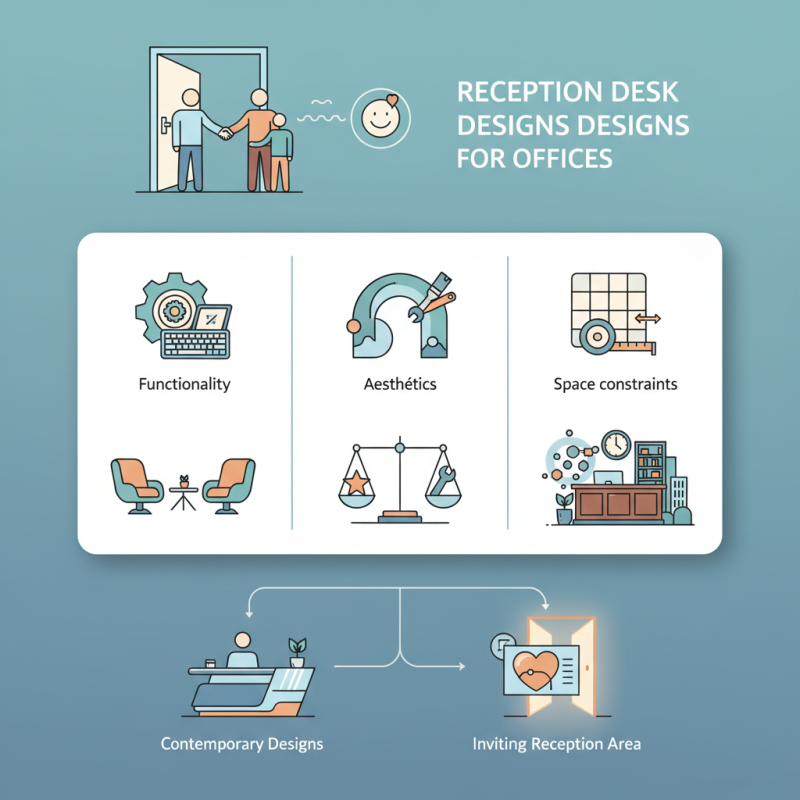
The reception desk is often the first point of contact in an office. Its design plays a crucial role in shaping initial impressions. A well-designed reception desk can convey professionalism and attention to detail. Imagine entering an office with a sleek, modern desk made of glass and polished metal. It exudes a sense of innovation and readiness.
Conversely, an outdated or cluttered desk can foster discomfort. Visitors might question the organization and efficiency of the company. Consider a reception desk surrounded by piles of paperwork or faded decor. Such an atmosphere might create doubt about the company’s reliability. It's essential to choose a design that aligns with the brand's values and mission.
Effective reception desk designs often combine style and functionality. Elements like color, lighting, and texture can significantly influence perceptions. A warm color palette can create a welcoming environment, while minimalistic silhouettes can project clarity and order. However, the challenge lies in balancing aesthetics with practicality. It’s not just about looks; the space should be functional for staff and visitors alike. Thoughtful design can elevate first impressions and set the tone for future interactions.
When designing a reception desk, focus on both functionality and aesthetics. A well-thought-out reception area can leave a lasting impression on visitors. Key elements to consider include the desk's shape, materials, and the overall layout of the space.
For functionality, ensure that the desk is not only visually appealing but also practical. An ergonomic design can enhance staff comfort and productivity. Opt for materials that are durable yet easy to maintain. Incorporating storage solutions, such as drawers and shelves, helps keep the desk organized.
Tips: Choose a shape that aligns with your office's flow. A U-shaped desk often encourages communication. Avoid clutter by minimizing decor. This can enhance professionalism.
Aesthetic elements like color and lighting can significantly impact the mood of the reception area. Soft, welcoming colors can make the space feel inviting. Contrast is also vital; pairing light colors with dark accents can create visual interest. Consider using plants to add a touch of nature. Keeping a balance between beauty and use is essential. Reflect on what message your reception desk conveys through its design and materials.
When designing a reception area, the choice of materials for the desk is crucial. Wood exudes warmth and style, making it a popular choice. It can be crafted into various shapes and finishes, creating a unique look that complements any office. However, maintaining wood requires effort. Scratches and dents can diminish its appeal.
Metal offers a modern touch with its sleek appearance. It is durable and can withstand the daily wear and tear of a busy reception. Various finishes, from brushed to polished, can enhance its aesthetic. Yet, metal can feel cold or uninviting, which may not be ideal for all settings.
Glass brings elegance and transparency, allowing light to flow freely in the space. A glass desk can create an open, airy feel, which is often desired in contemporary designs. However, fingerprints and smudges can be persistent issues. Ensuring that glass remains pristine is essential to maintain its visual impact. Each material has its pros and cons, and choosing the right one involves careful consideration of your office environment and brand identity.
When designing reception desks, ergonomics plays a crucial role. A well-designed desk ensures comfort for both staff and visitors. Research indicates that ergonomic workspaces can reduce employee discomfort by up to 60%. Ergonomics can enhance productivity, creating a welcoming atmosphere.
Consider the height and layout of the reception desk. Ideally, the desk should accommodate various visitor heights. Some designs include adjustable components, allowing flexibility. Studies show that a desk set at the right height can minimize strain on the back and neck. Additionally, incorporating soft, rounded edges can reduce the likelihood of accidents and discomfort.
Lighting is another vital aspect. Natural light improves mood and focus. Desks near windows can enhance the visitor experience. However, harsh overhead lights can create glare. Soft, diffused lighting is preferable. A desk that integrates both practical and aesthetic elements will reflect an organization’s commitment to comfort and professionalism.
Employers should regularly assess their reception area and seek feedback from staff. Continuous improvement is key to maintaining an ergonomic environment.
Reception desks are more than just functional—they shape the first impression of any office. In industries like healthcare, technology, and hospitality, thoughtful design can significantly enhance visitor experience. For instance, a 2022 report from the International Facility Management Association states that an inviting reception area can improve guest satisfaction by up to 30%. This statistic highlights the impact of aesthetics and functionality combined.
In a case study focusing on healthcare facilities, one renovation transformed a sterile reception desk into a warm, welcome space. Soft lighting and natural materials created a more relaxed atmosphere for patients. This change led to a 25% increase in patient satisfaction scores. On the other hand, some designs have faltered due to poor layout, resulting in overcrowding and confusion during peak hours.
Tips: Consider how your reception area accommodates flow. Avoid designs that box in staff or create barriers. Prioritize visibility and communication in layout. Moreover, incorporating technology, like self-check-in kiosks, can streamline the process effectively. Be aware that styles can age quickly. Regularly seek feedback from both staff and visitors to ensure your design remains relevant and effective.
: Choose a shape that complements office flow. A U-shaped desk promotes communication and engagement.
Popular materials include wood, metal, and glass. Each has unique qualities that impact durability and appearance.
Incorporate storage solutions like drawers. Keep the space organized to improve efficiency and professionalism.
Desk height should suit various visitor heights. Adjustable components can enhance comfort for everyone.
Soft, diffused lighting creates a welcoming environment. Avoid harsh overhead lights that can create glare.
Aesthetics create a first impression. Color and decor should align with brand values while remaining inviting.
Regular assessments are necessary. Seek staff feedback to identify areas for improvement in comfort and design.
Yes, wood needs maintenance, while metal can feel cold. Glass requires frequent cleaning to avoid smudges.
Reflect on the design's visual and practical elements. It should align with your organization’s image and values.
Minimize decor and focus on essentials. A clean desk enhances professionalism and makes a better impression.
The design of a reception desk plays a crucial role in shaping first impressions within a workplace. An effective reception desk should blend functionality with aesthetics, ensuring that it not only looks appealing but also meets the practical needs of both staff and visitors. Key elements to consider include the layout, materials used—such as wood, metal, or glass—and the overall design that reflects the company’s identity.
Current trends emphasize the importance of ergonomics, focusing on comfort for both reception staff and guests. By exploring successful case studies across various industries, it's clear that thoughtful reception desk designs can enhance not only the visual appeal of an office but also contribute to a more welcoming environment. Ultimately, a well-designed reception desk serves as the focal point of an office, inviting positive interactions and leaving lasting impressions.

Linkun Furniture