The living room is a central space that reflects your style and comfort. Recent studies show that 75% of homeowners consider living room furniture a key element in home design. Quality furniture affects mood and functionality. According to renowned interior designer James M. Rojas, "Your living space should tell your story." This highlights the importance of thoughtful choices in living room furniture.
Incorporating unique pieces can elevate both aesthetics and comfort. Many choose sectionals for versatility, while others prefer natural materials for a cozy feel. However, not all furniture fits every space. It’s easy to get overwhelmed by options. Choosing the wrong dimensions or style can lead to a mismatch in your living area.
Consider your lifestyle when selecting living room furniture. Families with kids may need durable textiles. Minimalist designs work for smaller spaces. Choosing wisely is essential to avoid regret later. Remember, each piece should enhance not just your decor, but also your everyday living experience. Prioritize functionality without compromising personal style.
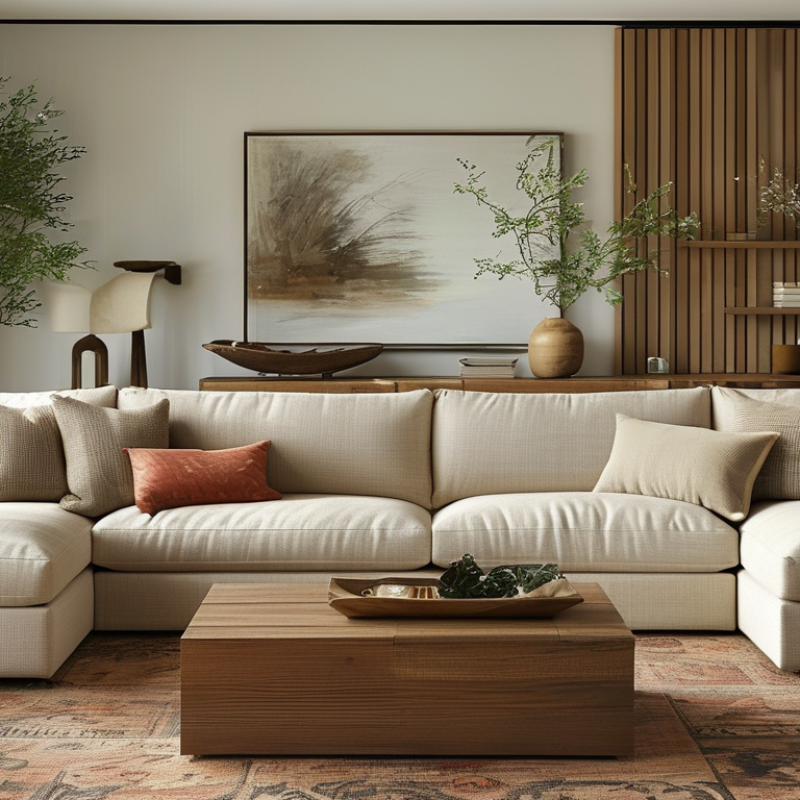
Choosing the right furniture style for your living room can significantly influence your home's ambiance. Start by considering your lifestyle. If you have kids or pets, robust materials are essential. Leather and microfiber are often durable choices that withstand daily use. A cozy fabric like cotton can be inviting but may require more upkeep.
Think about the theme you want to create. A modern theme often utilizes clean lines and neutral colors. However, mixing vintage pieces can add character. Consider the layout of your room, too. Enough space for movement is crucial. Overcrowding furniture makes the area feel cramped and uncomfortable.
Don't overlook lighting when selecting furniture. It affects the mood and how colors interact. Place your seating to maximize natural light. Soft lamps can create a cozy reading nook. Experiment with textures, too. A woven throw or patterned cushions can make the space feel warm and inviting. Feel free to reflect on what works and what doesn’t. It’s a process that may involve some trial and error.
Choosing the right materials for living room furniture is crucial. It impacts both durability and aesthetics. Wood is a classic option. It offers strength and can age beautifully. Consider oak or walnut for their rich grains and longevity. However, wood can be susceptible to scratches and humidity. Regular maintenance is essential to preserve its appearance.
Metal is another strong contender. It’s sleek and modern. It easily withstands wear and tear. Aluminum or stainless steel can enhance a contemporary aesthetic. They are resistant to rust, but cold to the touch, which might not be everyone's preference. It’s important to balance comfort and style.
Textiles bring warmth to a living room. Natural fabrics like linen or cotton provide softness and breathability. They are more environmentally friendly but can stain easily. Synthetic options offer durability but may lack comfort. Choose wisely based on how the space will be used. Consider mixing materials for a unique touch.
Incorporating color schemes in your living space can dramatically change its atmosphere. Start by defining a primary color that resonates with your personality. This could be a calming blue or a vibrant yellow. Experiment with shades and tones to find the perfect fit. A single accent wall can introduce color without overwhelming the room. It adds depth and draws the eye.
Complement your primary color with a contrasting shade. This can create visual interest and harmony. For instance, pairing navy blue with soft coral can create a stylish yet inviting space. Consider furniture upholstery and decorative items. A colorful throw pillow or a patterned rug can tie the room's palette together.
You might find that certain combinations are challenging. Some shades clash or create an unbalanced look. It's essential to reflect on what you truly want your space to convey. Allow room for adjustments. Sometimes, what initially seems perfect may not be after a few days. Don't hesitate to swap out colors and rethink arrangements until you achieve a satisfying balance.
Creating a harmonious and stylish living room involves thoughtful furniture arrangement. Start by assessing the space. Consider the room’s natural flow and how you move through it. Aim for a layout that encourages conversation. Place seating in a way that invites interaction, making the space feel welcoming. Sometimes it's about balancing the scales—too much furniture can overwhelm the room.
Next, focus on functionality. Each piece should serve a purpose. For narrow spaces, choose sleek furniture that doesn't dominate the area. Use multifunctional pieces, such as ottomans or coffee tables with storage. This not only enhances practicality but also keeps the room organized. Remember, it's okay if things don’t fit perfectly at first. Experimenting with different arrangements can help you find the right balance.
Don’t forget about visual appeal. Incorporate various textures and colors to create depth. A neutral palette can be enhanced with colorful cushions or a patterned throw. Consider the lighting as well. Natural light can transform the feel of the space. Reflect on how all these elements work together to enhance your home style. Each detail matters.
Accessorizing your living room can be both a creative and challenging endeavor. Start by choosing a color palette that resonates with your style. Neutral tones can create a calming atmosphere. Consider adding pops of color through cushions or throws. Mix different textures to add depth and interest. Think about that worn leather chair next to a soft velvet sofa. It might feel off, but it can spark conversation.
Layering accessories is crucial for a cohesive look. Group items like candles, books, and art in odd numbers on tables or shelves. This creates visual harmony. A unique coffee table book can serve as both a decorative piece and an engaging read. However, be mindful not to overcrowd spaces. This can overwhelm the eye and dilute your design.
Lighting plays a vital role too. A floor lamp can accentuate a reading nook. Wall art should resonate with your personality but also align with the room’s theme. Balancing personal mementos with more neutral pieces can make your living room feel well-curated. Reflect on what feels authentic and make adjustments as needed. Your living room should tell your story, but remaining intentional is key to maintaining a cohesive design.
: Color schemes can transform the atmosphere. They add depth and visual interest, reflecting your personality.
Define a color that resonates with you. Consider calming or vibrant options, then experiment with shades.
An accent wall introduces color without overwhelming the room. It draws attention and enhances depth.
Assess the space's flow and create layouts that encourage conversation. Avoid overwhelming the room with excess furniture.
Choose sleek, multifunctional pieces. They should serve a purpose without dominating the available area.
Incorporate different textures and colors. A neutral palette can be enhanced with colorful accessories for balance.
Choose a cohesive color palette. Layer accessories in odd numbers, but avoid overcrowding items on surfaces.
Lighting can change the room’s feel. Use various sources to highlight features and set the desired mood.
Consider how each element works together to enhance your style. Authentic details make your living room uniquely yours.
It's okay to adjust and swap out colors or arrangements. What seems perfect now might change over time.
Creating a stylish living room begins with selecting the right living room furniture that reflects your personal taste and complements the overall aesthetic of your home. Different furniture styles can significantly influence the atmosphere, so it's essential to choose pieces that harmonize with your design vision. Additionally, key materials should be considered for both durability and visual appeal, ensuring your furniture withstands daily use while enhancing the space.
Incorporating a thoughtful color scheme is crucial for a cohesive look, as colors can affect mood and create a welcoming environment. Arranging your living room furniture effectively maximizes space utilization and encourages a smooth flow throughout the area. Finally, accessorizing with carefully chosen decor elements can tie the design together, elevating your living space into a beautiful and functional area for relaxation and socializing.

Linkun Furniture