As we approach 2026, the world of bedroom furniture is evolving rapidly. Global buyers are increasingly seeking trends that offer both functionality and style. Bedroom furniture is no longer just about basic needs; it must also reflect personal aesthetics.
Sustainable materials have become a focal point. Many consumers are aware of environmental issues. They want their furniture to be eco-friendly. This shift toward sustainability shows a growing responsibility among brands. Quality and durability are essential considerations, too. Buyers expect furniture to last, balancing luxury with practicality.
The rise of technology in furniture design is noteworthy. Smart bedroom furniture is gaining traction. Features such as adjustable beds and integrated charging ports attract attention. However, not all innovations prove effective for every buyer. Reflection on personal needs is vital. Trends can sometimes overshadow practicality. Ultimately, the choices we make in bedroom furniture shape our spaces and influence our well-being.
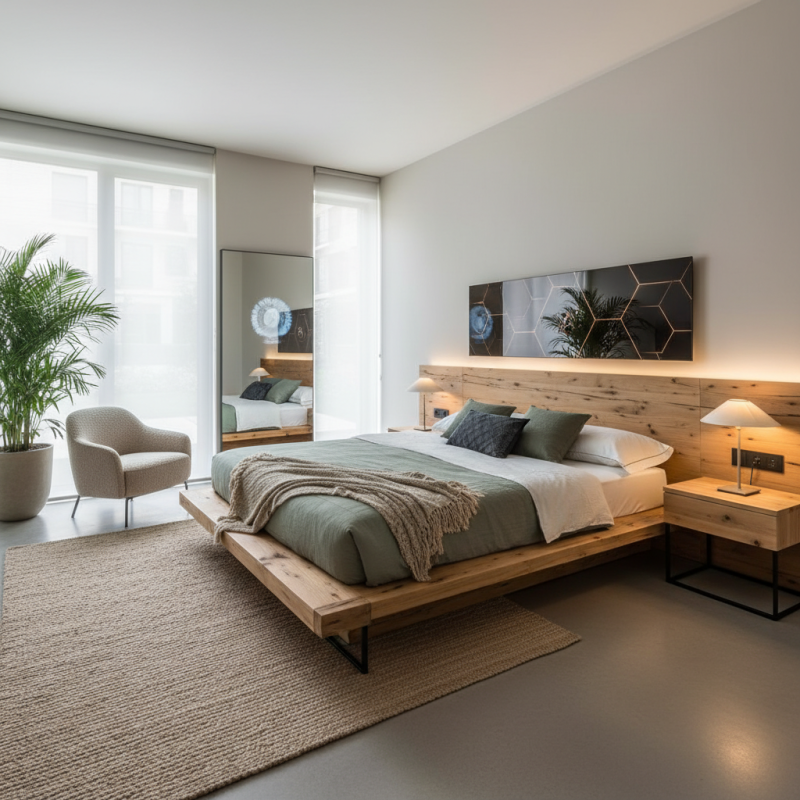
As the demand for sustainable living continues to rise, the bedroom furniture industry is experiencing a significant shift towards eco-friendly materials. According to a 2023 report by the Sustainable Furnishings Council, over 70% of consumers express interest in sustainable products. This trend is expected to heavily influence design choices by 2026.
Wood alternatives, such as bamboo and reclaimed wood, provide durability while minimizing environmental impact. Bamboo grows quickly and absorbs more carbon dioxide compared to traditional hardwoods. Additionally, manufacturers are turning to recycled materials, creating unique textures and styles. Reports reveal that furniture made from recycled content can reduce carbon footprints by up to 30%.
Moreover, natural fibers like hemp and organic cotton are making waves in upholstery. These materials promote better indoor air quality and are safer for households. However, the challenge lies in balancing aesthetics and sustainability. Some consumers may still prefer the look of synthetic materials, which can create complexity in the design market. Overall, the push for sustainable bedroom furniture represents both opportunity and challenge in evolving customer preferences.
As urban living space shrinks, the demand for multifunctional furniture is on the rise. According to a recent report by the International Furniture Association, 72% of consumers are prioritizing space-saving solutions in their bedroom designs by 2026. This shift reflects a growing awareness of the need for versatile furniture that adapts to various living conditions.
Innovative designs are creating furniture that serves multiple purposes. Beds with built-in storage are becoming more popular, allowing users to maximize space. Foldable desks and chairs are also gaining traction. However, some designs may compromise comfort for functionality. Consumers should balance aesthetic appeal with everyday usability.
Additionally, eco-friendly materials are more than just a trend. Research indicates that 65% of global buyers prefer sustainable options in bedroom furniture. The challenge remains to find durable yet environmentally responsible choices. In a world increasingly focused on sustainability, manufacturers must continue to innovate while considering consumer desires for practicality and eco-friendliness.
The integration of smart technology in bedroom furniture is revolutionizing how we experience personal spaces. According to a recent report by Statista, the smart furniture market is projected to grow by over 30% annually through 2026. This rapid growth suggests that consumers are seeking functionality along with style.
Smart beds, equipped with sensors, can track sleep patterns and adjust firmness automatically. This feature supports better rest and overall health. Meanwhile, nightstands with wireless charging and integrated speakers streamline the bedside experience. They reflect a blend of convenience and modern design that appeals to tech-savvy buyers.
However, while the benefits are clear, concerns about data privacy arise. Consumers must trust that their personal information remains confidential. As technology continues to evolve, the challenge lies in balancing innovation with security. The push for more interactive furniture may inadvertently lead to over-reliance on technology. It's essential to reflect on how these advancements shape our daily routines. Smart furniture offers possibilities, but it also prompts questions about our dependence on automation.
| Trend | Description | Key Features | Benefits |
|---|---|---|---|
| Smart Beds | Beds with integrated smart technology for sleep tracking | Sleep quality analysis, adjustable firmness | Improved sleep quality, personalized comfort |
| Smart Lighting | Lighting systems controlled via smartphone apps | Adjustable brightness, color settings | Enhanced ambiance, energy efficiency |
| Multi-functional Furniture | Furniture serving multiple purposes, e.g., beds with storage | Storage compartments, convertible designs | Space-saving, practicality |
| Eco-friendly Materials | Use of sustainable materials in furniture production | Bamboo, recycled wood, low-VOC finishes | Reduced environmental impact, health benefits |
| Integrated Technology | Incorporation of tech in dressers and nightstands | USB charging ports, wireless speakers | Convenience, connectivity |
| Voice-activated Furniture | Furniture that responds to voice commands | Voice-controlled lighting, adjustable height tables | Hands-free operation, accessibility |
| Smart Mirrors | Mirrors with display screens for information and connectivity | Weather updates, fitness tracking | Enhanced utility, modern aesthetics |
| Customized Furniture | Furniture that can be tailored to individual needs | Modular designs, personalized finishes | Unique style, better fit |
| Biophilic Design | Incorporation of natural elements in furniture design | Natural materials, plant integration | Improved wellbeing, aesthetic appeal |
| Smart Climate Control | Furniture with integrated heating/cooling technology | Temperature regulation in beds and sleep areas | Enhanced comfort, better sleep environment |
In 2026, bedroom aesthetics will be profoundly influenced by color and texture trends.
Warm earth tones will dominate, creating a cozy ambiance.
Expect shades of terracotta, muted greens, and soft taupes redefining personal spaces.
These colors evoke a sense of calm, fostering relaxation after a long day.
Textures will play a crucial role as well. Soft fabrics, such as bouclé and plush velvets, will invite tactile experiences.
Layering different materials can bring depth to a bedroom.
Combining smooth surfaces with knitted or woven accents will create visual interest.
Consider mixing matte finishes with glossy elements for a dynamics feel. Reflective surfaces can enhance light, making spaces feel larger.
However, not every color will suit all spaces.
Some may find bold hues overwhelming. Balancing vibrant shades with neutral tones can help ease this transition.
This year, it's essential to reflect on personal preferences and comfort.
Selecting the right textures and colors may require time and patience, but the journey ensures a space that truly feels like home.
Cultural influences significantly shape the styles of bedroom furniture across the globe. In many Asian cultures, minimalism reigns supreme. Clean lines and neutral tones create serene spaces. This reflects a deep-rooted appreciation for simplicity and nature. It invites tranquility, promoting a calming atmosphere in a busy world.
In contrast, European styles often celebrate luxury and intricate designs. Ornate details and rich fabrics are commonly featured. These elements express a fascination with history and artistry, often linking back to cultural heritage. However, some of these trends risk feeling outdated. Balancing tradition with modern needs can be challenging.
North American influences tend to embrace comfort and functionality. Cozy textiles and versatile pieces are key. This creates a relaxed vibe. Yet, as tastes evolve, some may find themselves caught between trends. Striking a balance between comfort and style requires careful thought. Creating a bedroom that reflects personal identity while honoring cultural influences is a complex journey.
This chart illustrates the projected preferences for bedroom furniture styles in various international markets by 2026, highlighting cultural influences that shape consumer choices.
: The smart furniture market is expected to grow over 30% annually until 2026. Consumers prioritize functionality and style.
Smart beds track sleep patterns and automatically adjust firmness for better rest and health. It's a convenient feature.
Smart nightstands include wireless charging and integrated speakers. They improve the bedside experience with modern design.
Yes, data privacy is a significant concern. Users need to trust that their information remains secure.
Cultural factors significantly influence styles. Minimalism is popular in Asia, while Europe favors luxury and intricate designs.
North American bedroom furniture emphasizes comfort and functionality. Cozy textiles and versatile pieces create a relaxed vibe.
Trends can make it difficult to maintain personal identity. Striking the right balance requires careful thought and intention.
Yes, as technology evolves, there is a risk of becoming too dependent on automation, needing reflection on our routines.
The article "Top 10 Bedroom Furniture Trends for Global Buyers 2026" explores the evolving landscape of bedroom furniture design, emphasizing sustainability, functionality, and technological integration. Emerging sustainable materials are becoming pivotal, allowing consumers to make eco-friendly choices without compromising on aesthetics. Multifunctional furniture is gaining traction among space-savvy global consumers, providing versatile solutions that cater to varying living arrangements and lifestyles.
Additionally, the integration of smart technology is enhancing user experience in bedroom furniture, ensuring comfort and convenience in everyday living. Color and texture trends are also shaping bedroom aesthetics, with a focus on creating serene and personalized environments. Lastly, cultural influences play a significant role in defining styles, as international markets embrace diverse designs that reflect local tastes. Overall, these trends underscore the importance of innovation and adaptability in the bedroom furniture sector for the year 2026.

Linkun Furniture