As the demand for robust and reliable Corner Brackets continues to rise, global buyers face the challenge of making informed purchasing decisions. According to the latest industry report by Steel Dynamics, the Corner Bracket market is projected to grow by 7% annually, reflecting its critical role in construction and furniture assembly. Industry expert John Roberts states, "The quality of corner brackets directly impacts the overall structural integrity of a project." This underscores the importance of selecting high-quality materials.
When sourcing Corner Brackets, buyers must consider factors like load capacity, material type, and corrosion resistance. With many inexpensive options flooding the market, it can be tempting to compromise on quality. However, inferior products can lead to costly repairs and safety hazards. Rigorous testing and standards ensure only the best corner brackets meet the demands of modern engineering.
Ultimately, understanding the specifics of Corner Brackets can prevent mistakes that impact project outcomes. Investing in reliable corner brackets is not just about immediate costs. It's about long-term reliability and safety in every construct. The right choices today pave the way for successful projects tomorrow.
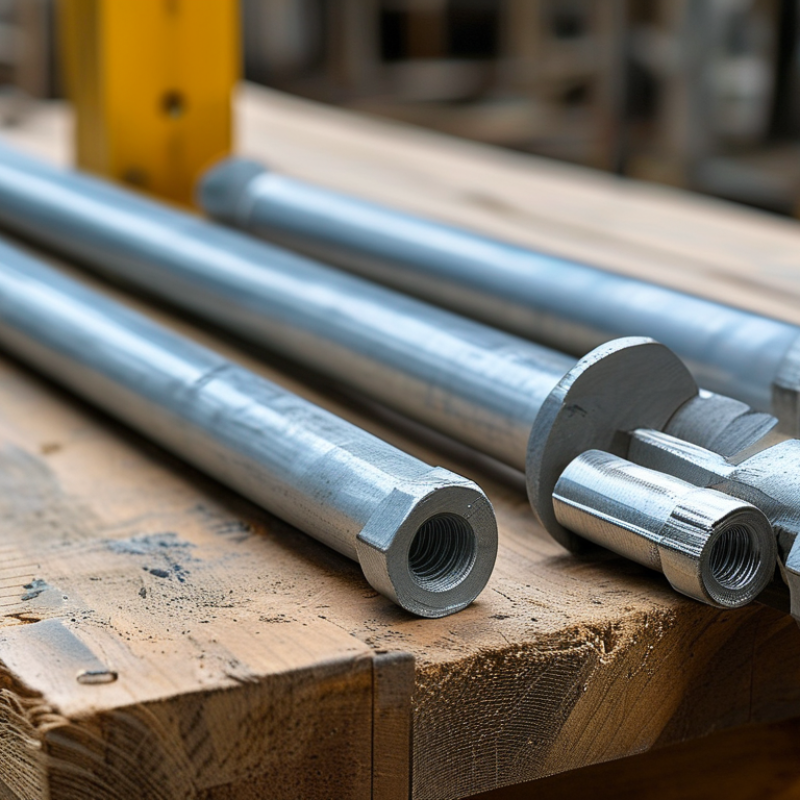
Corner brackets are vital components in construction and furniture design. They provide stability and strength to various structures. Understanding the different types of corner brackets can help buyers make informed decisions.
There are several types of corner brackets. L-brackets and corner braces offer excellent support for shelving and cabinets. Heavy-duty brackets are suitable for larger projects like furniture assembly. The choice depends on the weight they will bear. Buyers should consider both materials and load capacity. Metal brackets are durable but can rust without proper coating.
Some buyers may overlook the importance of installation. Proper alignment is crucial for effective support. Misalignment can lead to structural failure. Consulting a professional may be sensible, especially for large projects. Ultimately, the right corner bracket enhances stability greatly.
When purchasing corner brackets, several key features are essential. Material plays a significant role in durability. Options range from steel to plastic. Steel brackets offer strength but can be heavy. Plastic brackets are lighter but may lack robustness. Assess your project's needs carefully.
Size is another critical factor. Ensure the brackets match your space and structural support requirements. Measurements should be accurate to avoid installation issues. Improper sizing can lead to instability. Consider the weight load each bracket will bear. This can affect your project's longevity.
Design also matters. Aesthetic appeal can enhance your project's overall look. Some brackets offer a sleek appearance, while others are more industrial. Choose a style that suits your vision. Compatibility with existing structures is vital. Any mismatch can create problems. A thorough evaluation of these features ensures reliable support while reflecting personal style.
When choosing corner brackets, material choices play a critical role in ensuring strength and durability. Common options include steel, aluminum, and plastic. Steel is robust, offering excellent support for heavy loads. However, it can rust over time if not properly coated. Aluminum, on the other hand, is lighter and resistant to corrosion. Yet, its strength may not match that of steel in certain applications.
Plastic brackets offer a lightweight alternative. They resist rust but may not hold up under heavy stress. For many DIY projects, they could be sufficient. Think about the environment where the brackets will be used. If moisture is a concern, metal options should have appropriate coatings to prevent deterioration.
Choosing the right material can be tricky. Some might opt for a cheaper plastic, only to find it fails under pressure. Others may select heavy steel, only to struggle with installation. It’s essential to evaluate the specific requirements of your project. Make informed decisions based on the materials’ properties and potential drawbacks. This careful approach will ensure your bracket choice stands the test of time.
When exploring the corner bracket market, it's essential to look at leading brands. Various industry reports indicate that the demand for corner brackets is growing steadily, especially in construction and furniture sectors. In 2022, the global corner bracket market reached approximately $1.5 billion, reflecting a compound annual growth rate (CAGR) of around 5.6%. This growth highlights the importance of selecting the right brand for specific applications.
A comparison of top brands shows significant differences in material quality and design innovation. Some brands focus on heavy-duty steel brackets, suitable for industrial applications, while others offer lightweight aluminum options for home furniture. According to a recent survey, 57% of buyers prioritize durability over price when selecting corner brackets. This trend illustrates a shift toward quality investments in construction and DIY projects. However, not all consumers are aware that cheaper brackets often compromise strength and longevity.
Brand reputation also plays a crucial role. Nearly 40% of users reported that they experienced issues with lesser-known brands, such as failure under weight stress. Furthermore, inconsistent manufacturing standards can lead to unsafe installations. Buyers must reflect on their choices, considering both performance and brand reliability, to ensure they are making informed decisions. Quality often outweighs cost, and understanding this can lead to better project outcomes.
When shopping for corner brackets globally, understanding sourcing and shipping is crucial. Many international buyers face challenges when navigating these processes. It can be beneficial to research local suppliers. They often offer unique products and competitive prices. Additionally, local suppliers may understand regional regulations better, which can ease the importing process.
Consider shipping options carefully. Look for companies that specialize in international shipping. Some carriers provide tracking services, ensuring you stay updated on your order. Shipping costs can vary significantly. Always compare various quotes before deciding. Understanding weight limits and customs duties can help you avoid unexpected fees.
Be mindful of your timelines. Shipping from different regions can lead to delays. Having alternative suppliers can help mitigate risks. Don't hesitate to reach out for advice or discuss best practices with others in your field. In the ever-evolving global market, flexibility and communication are vital.
: The global corner bracket market reached about $1.5 billion in 2022.
The market is experiencing a compound annual growth rate (CAGR) of approximately 5.6%.
Around 57% of buyers prioritize durability over price when selecting corner brackets.
Nearly 40% of users had issues with lesser-known brands, affecting project safety and performance.
Research local suppliers for unique products and better understanding of regional regulations.
Shipping options are crucial; choose carriers that offer tracking and compare quotes to avoid extra costs.
Shipping from different regions can lead to delays, so it’s wise to have alternative suppliers.
Buyers often struggle with sourcing, shipping costs, and understanding customs duties.
Flexibility and communication are vital in navigating the global market.
Cheaper options may compromise strength and longevity, leading to unsafe installations.
The "2026 Top Corner Brackets Buying Guide for Global Buyers" serves as a comprehensive resource for individuals and businesses seeking to purchase corner brackets. It begins with an exploration of the various types of corner brackets and their specific applications, highlighting their importance in construction and furniture assembly. The guide emphasizes key features to consider when selecting corner brackets, including load capacity, design, and ease of installation.
Material choices play a crucial role in ensuring the strength and durability of corner brackets, with options ranging from metal to plastic. For international shoppers, the article offers valuable buying tips, focusing on sourcing and shipping options to facilitate a smooth purchasing experience. By understanding the market and the essential factors involved, global buyers can make informed decisions when it comes to selecting the right corner brackets for their needs.

Linkun Furniture