As we approach 2026, the trends in Hotel Garden Furniture are rapidly evolving. Renowned industry expert Mark Johnson states, "Innovative designs reflect the unique identity of hotels." This emphasizes the importance of thoughtful selections in outdoor furniture to create memorable experiences for guests.
In recent years, sustainability and comfort have become significant considerations. Luxurious materials blend with nature, enhancing relaxation areas. Additionally, modular designs are gaining traction, allowing versatile arrangements that adapt to different events. Hotel owners must stay informed about these trends to maintain a competitive edge.
However, challenges remain. As styles shift, balancing aesthetics and durability is crucial. Outdoor furniture faces harsh weather, necessitating materials that withstand the elements. Buyers must navigate options carefully, ensuring their choices are both visually appealing and long-lasting. Adapting to these trends will define the future of Hotel Garden Furniture.
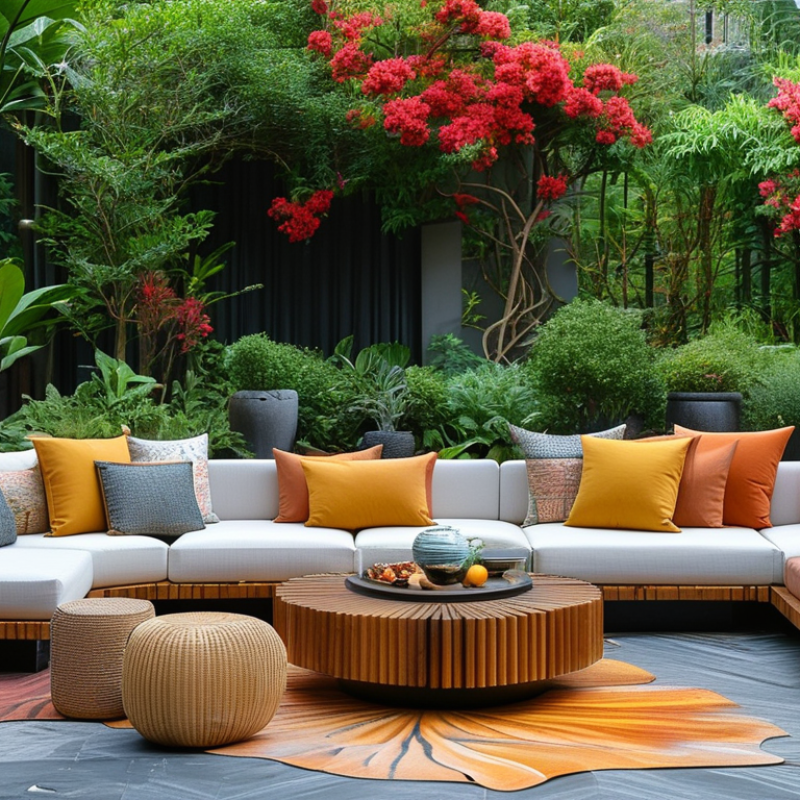
Sustainability is reshaping hotel garden furniture designs. As travelers increasingly favor eco-friendly choices, hotels are responding. Reports indicate that about 70% of guests prefer sustainable options. This trend affects purchasing decisions for furniture.
Eco-conscious materials are essential. Recycled plastic and sustainably sourced wood are gaining traction. These materials reduce the environmental footprint without compromising style. Designers are also embracing natural colors to blend with outdoor spaces. The goal is to create a serene atmosphere that resonates with nature.
Tips: Consider local sourcing to minimize transportation emissions. Discuss with suppliers about their sustainability practices. Assess the durability of materials to ensure long-term use.
Cultivating an eco-friendly image is a concern. Hotels must balance aesthetics and functionality. Some furniture pieces may not meet durability expectations. Addressing this gap can strengthen the industry's commitment to sustainability. Ensuring quality while incorporating sustainable design is crucial for guest satisfaction.
The future of garden furniture is evolving with innovative materials that enhance both function and aesthetics. Lightweight metals, recycled plastics, and sustainable woods are gaining popularity. These materials not only offer durability but also contribute to a more sustainable environment. For example, recycled plastics are becoming a staple, turning waste into stylish outdoor furniture.
Another exciting trend is the use of composite materials. These provide excellent weather resistance while maintaining a natural look. Imagine a table that can withstand the elements without rotting or fading. This combination is appealing to buyers seeking longevity. Yet, one must consider the balance between aesthetics and sustainability. How much is too much when it comes to synthetic materials?
Natural fibers are also making a comeback. They bring warmth and comfort to outdoor spaces. However, their maintenance can be a challenge. Weather changes can impact their longevity. Buyers need to weigh convenience against the desire for organic materials. Navigating these choices offers a chance for reflection on personal values and the environmental impact of buying decisions.
As outdoor spaces evolve, functional and multi-use furniture is becoming essential. In 2026, buyers are focusing on versatility. Data from industry reports indicate that 65% of consumers prefer outdoor furniture that serves dual purposes. Modern garden benches now transform into storage units, combining aesthetics with functionality.
Moreover, the trend is shifting towards lightweight materials. This allows easy rearrangement without sacrificing durability. Research shows that 70% of purchasers prioritize easy maintenance in their outdoor selections. They desire pieces that withstand weather changes while offering comfort. Hammock chairs, which double as lounge spots, are gaining popularity. They offer relaxation without taking up much space.
However, not all designs meet these needs perfectly. Some multi-use items may lack comfort or elegance. Buyers need to critically evaluate these aspects before investing. Balancing style and functionality remains a challenge. Trends indicate a push towards thoughtful designs that better serve consumers’ diverse outdoor living needs.
This bar chart illustrates the top trends in hotel garden furniture for 2026. The data shows the popularity rating of various trends among global buyers, highlighting the increasing demand for sustainable materials and modular designs in outdoor furniture.
As outdoor spaces become extensions of our homes, smart furniture is reshaping the hospitality landscape. This innovation integrates technology with comfort, creating a seamless connection between nature and modern conveniences. Imagine a sunbed that adjusts its position based on sunlight or a table that charges devices wirelessly. Such features elevate guest experiences, making outdoor areas more functional.
Tips for choosing smart furniture include assessing durability and ease of use. Look for weather-resistant materials that withstand various climates. Ensure that tech elements are intuitive, so guests can easily integrate them into their routines. Over-complicating design may deter use, so simplicity is key.
Consider the aesthetic as well. Smart furniture should blend with the garden environment. Choose colors and styles that complement existing landscaping. This creates a cohesive look that enhances the overall appeal. It’s essential to reflect on what your guests truly desire from outdoor spaces. Sometimes, less is more when it comes to technology and design.
As garden spaces continue to evolve, color and style become paramount. In 2026, expect to see rich earthy tones paired with vibrant accents. Shades of terracotta and olive green will dominate, creating an inviting atmosphere. Soft pastels will also emerge, bringing a sense of tranquility to outdoor spaces. These color choices resonate well with nature, enhancing the overall aesthetic and functionality of garden furniture.
For buyers looking to stay ahead, integrating mixed materials is essential. Consider natural woods combined with modern metals for a fresh look. This fusion not only adds visual interest but also offers durability. Textiles with unique textures, such as wicker or canvas, will provide both comfort and style. Detailed craftsmanship in these materials can elevate any outdoor setting.
Tips for choosing garden furniture include assessing the environment. Think about sunlight exposure and weather conditions before making a decision. Maintenance should also be a key factor. Some materials require more care than others; choose wisely based on your commitment level. Don't forget to prioritize comfort and functionality to create a usable garden space.
| Material | Color Trends | Style | Sustainability Feature |
|---|---|---|---|
| Teak Wood | Deep Green | Classic Elegance | Naturally Weather Resistant |
| Aluminum | Soft Pastels | Modern Minimalism | Recyclable |
| Wicker | Warm Earth Tones | Cozy and Inviting | Biodegradable Options |
| Concrete | Monochrome Shades | Industrial Chic | Durable and Long-lasting |
| Synthetic Resins | Bright and Bold Colors | Eclectic and Artistic | Eco-friendly Manufacturing |
: Lightweight metals, recycled plastics, and sustainable woods are popular choices today.
It turns waste into stylish, durable furniture while being environmentally friendly.
They offer excellent weather resistance and maintain a natural appearance, appealing to many buyers.
They provide warmth and comfort but can be challenging to maintain in changing weather.
Smart furniture can adjust to sunlight and charge devices wirelessly, improving guest experiences.
Durability, ease of use, and intuitive tech features are important for a positive experience.
Choose colors and styles that complement your garden to create a cohesive and appealing look.
It's essential to balance aesthetics with sustainability. Overusing synthetic materials can be a concern.
Consider the environmental impact and convenience of the materials you choose for your outdoor space.
Over-complicating designs can deter use; sometimes, less is more for function and appeal.
The article "2026 Top Hotel Garden Furniture Trends for Global Buyers" explores the evolving landscape of hotel garden furniture, highlighting key trends that prioritize sustainability and innovation. As hotels strive to create eco-friendly environments, designs are increasingly incorporating sustainable materials that minimize environmental impact. Additionally, the rise of functional and multi-use outdoor furniture caters to the need for versatile spaces that can accommodate various guest activities.
Technological advancements have also influenced the market, with smart furniture gaining popularity for its ability to enhance guest experience through convenience and connectivity. Furthermore, aesthetic trends focus on harmonious color palettes and styles that enhance the beauty of garden settings, making outdoor spaces more inviting. Overall, the future of hotel garden furniture is set to be dynamic, blending sustainability, functionality, technology, and aesthetics to create exceptional outdoor environments for guests.

Linkun Furniture