As we approach 2026, the landscape of office furniture is evolving like never before. Global buyers are increasingly looking for pieces that merge functionality with aesthetic appeal. Office furniture is no longer just about practicality; it embodies a company’s culture and values.
Innovative designs are leading the charge in this transformation. Many brands are focusing on sustainability. Eco-friendly materials and ergonomic solutions are becoming standard. However, some companies still lag behind, hesitant to embrace these essential changes.
In this dynamic marketplace, staying ahead means adapting to these trends. Global buyers must seek out solutions that not only meet their needs but also enhance employee well-being. The right office furniture can promote productivity and creativity. Understanding these trends is crucial for making informed decisions in 2026 and beyond.
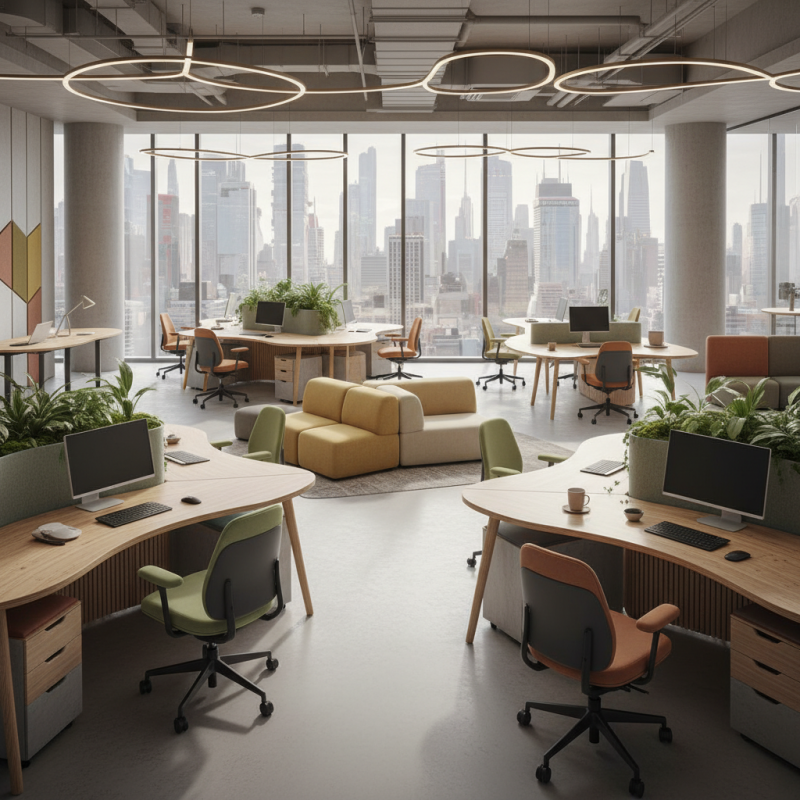
The office furniture industry is evolving rapidly, with a notable shift towards sustainable materials. Emerging data reveals that 75% of global buyers prioritize eco-friendly options in their purchasing decisions. These choices stem from a growing awareness of environmental impact. Bamboo, recycled plastics, and sustainable wood are leading materials promising durability and style.
Bamboo, in particular, boasts a high strength-to-weight ratio. It grows rapidly and can be harvested in three to five years. Recycled plastics, like those sourced from ocean waste, offer an innovative approach to design. They are gaining traction for their versatility and aesthetic appeal. This sustainable shift is not without challenges. Many buyers remain unsure about the durability and longevity of these materials.
Addressing these concerns is vital. Industry experts emphasize the need for greater education around sustainable furniture. Reports indicate that only 40% of consumers know the benefits of these materials fully. The market must enhance communication strategies concerning the reliability of eco-friendly products. Being transparent about sourcing and manufacturing processes will capture more attention.
The workspace is evolving rapidly, and innovative designs are leading the charge. Open layouts are becoming popular, encouraging collaboration among teams. Flexible furniture allows for quick adjustments, catering to diverse work styles. These trends enhance creativity and productivity, but they can also lead to distractions. Balancing openness with areas for focus is crucial.
Biophilic design is gaining traction, with natural elements integrated into office spaces. Plants, natural light, and water features create a calming environment. This connection to nature can reduce stress and improve well-being. However, some may find too much greenery overwhelming. Striking the right balance fosters a refreshing atmosphere.
Ergonomic furniture is essential for promoting health. Height-adjustable desks and supporting chairs prevent discomfort during long hours. While these pieces encourage movement, they may not suit everyone's preferences. Constantly evaluating comfort is necessary. The journey of creating the ideal workspace is ongoing, with trade-offs and adjustments along the way.
The integration of smart technology in office furniture is transforming workspaces. As remote work and hybrid models gain traction, the demand for flexibility increases. Modern office furniture must adapt to changing needs, promoting comfort and productivity. Features like adjustable desks and ergonomic chairs are no longer enough. Employees seek smart solutions that connect to their devices seamlessly.
Imagine a desk that reminds you to stand after long hours of sitting. Smart furniture can track your posture and offer suggestions for improvement. Moreover, integrated charging ports and wireless charging surfaces make work more efficient. Technology can minimize distractions while enhancing collaboration. However, not all products meet high standards.
There’s a risk in fast-tracking tech integration without proper research. Companies might invest in flashy gadgets that distract rather than support employees. It’s crucial to ensure that technology serves a purpose and adds value to the workspace. Feedback from employees is vital. Understanding their needs can guide the development of more thoughtful designs. Balancing tech and design remains a challenge. Each office must carve its unique path in the evolving landscape of smart furniture solutions.
| Trend | Description | Technology Integration | Sustainability Focus | Expected Adoption Rate (%) |
|---|---|---|---|---|
| Smart Desks | Desks equipped with sensors to adjust height and monitor usage. | Height adjustment via smartphone apps. | Made from recycled materials. | 70% |
| Collaborative Workstations | Flexible setups promoting teamwork and interaction. | Integrated digital collaboration tools. | Sustainable construction practices. | 65% |
| Biophilic Design | Incorporating natural elements into furniture design. | Sensors for optimal indoor climate control. | Use of non-toxic, eco-friendly materials. | 60% |
| Modular Furniture | Versatile pieces that can be reconfigured for various uses. | Apps to design space layouts and configurations. | Designed with longevity and adaptability in mind. | 75% |
| Ergonomic Chairs | Chairs designed to reduce strain on the body. | Smart features tracking posture and suggesting adjustments. | Recyclable materials and energy-saving manufacturing process. | 80% |
Color psychology plays a crucial role in office design. The hues chosen for furniture can significantly impact employee well-being and productivity. According to recent studies, colors like blue and green are known to enhance focus and calmness. In contrast, red can provoke feelings of urgency or stress. This indicates a strong correlation between our environment and emotional responses.
To optimize your office decor, consider incorporating calming colors for workspaces. Soft tones can reduce anxiety and promote creativity. Bright colors may energize areas meant for collaboration and brainstorming. A balanced mix can keep your office dynamic and engaging.
Tips: When selecting furniture colors, engage employees in the process. Using their input can create a more personalized environment. Additionally, assess how different colors make employees feel. Regular feedback can reveal if adjustments are necessary. Awareness of these factors fosters a supportive workplace atmosphere, promoting retention and satisfaction.
As workplaces evolve, adaptable furniture solutions become essential. Modern work environments are diverse. Employees require flexibility, comfort, and collaboration. Research shows that 40% of employees prefer adaptable spaces that support both individual focus and teamwork. This trend reflects the changing dynamics of how work is done.
Incorporating movable desks, modular seating, and adjustable storage can facilitate better workflow. These options allow spaces to transform easily. For example, a meeting room can shift from a collaborative area to a quiet zone with minimal effort. Insights indicate that companies investing in adaptable furniture report a 20% increase in employee satisfaction.
Tips: Consider adding ergonomic chairs that promote posture. Offering standing desks can also improve employee health. Flexibility in design encourages creativity and responsiveness. Monitor how furniture usage affects productivity. Adaptability may require frequent reassessment. Small changes can lead to significant outcomes.
: Bamboo, recycled plastics, and sustainable wood are popular choices for eco-friendly office furniture.
Bamboo is strong and lightweight. It matures quickly, being ready for harvest in three to five years.
Many buyers are unsure about the durability and longevity of eco-friendly materials.
Reports show only 40% of consumers fully understand the benefits of sustainable materials.
Open layouts, flexible furniture, and biophilic design promote collaboration and creativity.
Open spaces can lead to distractions, making focus areas essential. Striking a balance is crucial.
Incorporating natural elements reduces stress, but too much greenery can be overwhelming for some.
Ergonomic furniture supports health and comfort during long hours, but it may not cater to everyone’s needs.
Greater transparency about sourcing and manufacturing processes can help build trust and awareness.
No, creating the ideal workspace is an ongoing journey with constant adjustments necessary.
The article "2026 Best Office Furniture Trends for Global Buyers" explores key developments in office furniture designed to elevate modern workspaces. A focus on sustainable materials signals a shift towards environmentally friendly practices, while innovative designs are tailored to enhance productivity and collaboration among employees. The integration of smart technology into office furniture solutions is set to revolutionize how spaces function, promoting efficiency and connectivity.
Color psychology also plays a significant role in the design of office furniture, influencing employee well-being and enhancing overall morale. Furthermore, adaptable furniture solutions are becoming essential in addressing the diverse needs of contemporary work environments, allowing for flexibility and personalization. As these trends converge, the future of office furniture looks promising, aligning with the evolving demands of global buyers.

Linkun Furniture