A Makeup Table is more than a place to set down a brush. It can make a small bedroom feel organized, or turn a cluttered corner into a useful daily routine. The right choice depends on space, storage, lighting, and budget—not just appearance. Measure the wall and chair clearance before shopping. A drawer that cannot open fully is a small, irritating mistake.
Market reports offer useful context, though they do not track makeup tables as a separate category. Grand View Research estimated the global furniture market at about $736 billion in 2023, reflecting the scale and variety of furniture choices. Houzz’s 2024 U.S. Houzz & Home Study reported a median renovation spend of $24,000 among renovating homeowners in 2023. These figures are not vanity-table price guides. They do show why buyers benefit from comparing materials, function, and value carefully.
Interior designer Nate Berkus has said, “Your home should tell the story of who you are, and be a collection of what you love.” That principle suits a makeup space: a compact white table, a warm wood finish, or a mirror with built-in lights can each feel personal. But style alone is not enough. Check tabletop depth, drawer construction, and whether the lighting gives an even reflection. For this Top 10 guide, we compare options across price levels, from practical starter designs to more substantial pieces. Some compromises remain. That is worth remembering. A beautiful table may still need better lighting, or less storage than expected. Choose what fits your room and routine.
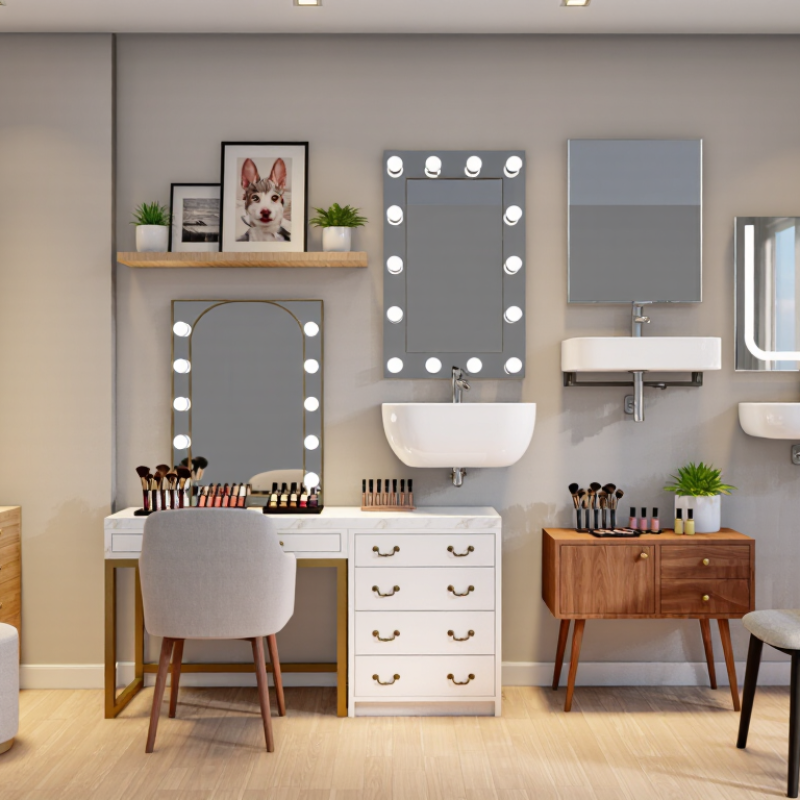
What a Makeup Table Is and How It Supports a Daily Routine
A makeup table is a dedicated surface for getting ready, usually paired with a mirror, a seat, and storage. It keeps everyday items within reach instead of scattered across a bathroom counter. A drawer can hold brushes and small tools, while a cup or tray keeps frequently used products visible. The setup does not need to be large or elaborate. Even a narrow desk can serve the purpose if the mirror is steady and the lighting is comfortable.
In a daily routine, a makeup table creates a consistent place to wash your face, apply skincare, and get ready. Keeping a soft towel nearby and placing products in the order you use them can reduce small morning delays. Good lighting helps you see how makeup looks, though natural light changes throughout the day. A table may also become cluttered; it will not organize itself, unfortunately. Spend a minute returning items after use, and leave enough clear space to work.
Tips: Choose a seat that lets your feet rest comfortably. Keep daily essentials in one tray, and store occasional items elsewhere. Wipe the surface regularly, especially around liquid products. If the mirror or lighting feels awkward after a week, adjust the arrangement rather than assuming you need new furniture.
Features to Compare When Choosing a Makeup Table
When comparing makeup tables, measure the space with the chair pulled out, not just the tabletop footprint. A compact table can look generous in a product photo but leave little room for knees. Check the seat height, knee clearance, and whether drawers still open fully beside a wall. Sit before buying. A wobbly frame is frustrating when applying eyeliner.
Lighting deserves more attention than decorative bulbs. Look for even light around the mirror, adjustable brightness, and a color-rendering rating of 90 or higher when available. The U.S. Department of Energy’s Energy Saver guidance says LED bulbs use at least 75% less energy and can last up to 25 times longer than incandescent bulbs. That can make built-in LEDs practical, though replacement parts and wiring access matter too. Small details matter.
Compare storage by the items you actually use: tall bottles need deeper drawers, while brushes benefit from upright compartments. Smooth drawer runners and wipeable surfaces help with powder spills, but very glossy finishes can show fingerprints. I’d treat advertised dimensions as a starting point; mirror distance and room lighting change how the setup feels. If possible, test the chair and mirror together before deciding. A beautiful table that makes you hunch is still the wrong fit.
Makeup Tables by Price Range: Budget, Midrange, and Premium
Budget makeup tables, often under $150 in the United States, can work well in small bedrooms or rental spaces. Look for a steady frame, a wipe-clean surface, and drawers that open without scraping. A simple tabletop mirror may be more useful than decorative lighting that leaves your face unevenly lit. Check the listed dimensions against your chair and available wall space. Measure twice. At this price, finishes may chip sooner, and assembly can feel fiddly. I’d rather have a stable, plain table than a wobbly one with extra compartments.
Midrange tables, roughly $150 to $500, often offer sturdier construction, smoother drawer runners, and better storage layouts. A shallow top drawer can hold brushes and daily products, while deeper drawers keep palettes upright. Check whether the mirror adjusts and whether the lights have a natural-looking setting. These details matter during close-up tasks. Still, a higher price does not guarantee useful design; inspect the drawer dimensions and return terms before buying.
Premium tables above $500 may use more durable materials, integrated lighting, or custom-sized storage. They suit frequent use, dedicated dressing areas, and buyers who value a coordinated piece of furniture. Look for replaceable bulbs, accessible power connections, and surfaces that tolerate routine cleaning. Shipping and installation can add to the cost, so include them in your budget. Honestly, some premium features are attractive but unnecessary. Pick the table around your habits, not a staged photograph.
Top 10 Makeup Tables for Every Budget
Makeup Tables by Price Range: Budget, Midrange, and Premium
Typical price bands are approximately $50–$150 for budget tables, $150–$400 for midrange options, and $400–$1,000 for premium designs. Prices vary with size, materials, storage, and included lighting.
Ten Makeup Table Options and Their Key Differences
Ten makeup tables differ less by appearance than by footprint, storage, lighting, and adjustability.
Wall-mounted designs free floor space, while folding tables suit rooms that need a clear surface later. Small wins. Corner units use awkward angles; narrow consoles fit tight bedrooms but offer little knee room. Drawer-led vanities conceal brushes, while open shelves keep daily products visible and collect dust. Floating tables simplify cleaning but need secure installation.
Light changes everything.
Integrated mirrors reduce clutter; separate mirrors are easier to reposition. Glass tops feel airy but show fingerprints, and cushioned stools take up extra space.
Budget particleboard tables lower the upfront cost; solid wood is often easier to repair, though construction quality still matters. Adjustable-height options fit different seats but may cost more and wobble if poorly assembled.
Grand View Research estimated the global furniture market at $541.52 billion in 2023.
That broad industry figure does not measure makeup-table quality. Compare weight capacity, drawer clearance, surface finish, and replacement-part availability instead. I would recheck knee room before buying; staged photos rarely show drawer fronts meeting a seated user’s legs.
A ranking can mislead.
For evidence, look for stated materials and dimensions, not just attractive lighting.
How to Choose a Makeup Table for Your Space and Storage Needs
A makeup table should fit your room before it fits your routine. Measure the wall, chair space, and walking path; a tabletop that looks compact online can feel bulky beside a bed. Leave enough knee room to sit comfortably, and check whether drawers can open fully without hitting a door. Measure first.
Storage needs depend on what you use daily. Shallow drawers keep brushes and pencils visible, while a deeper compartment can hold a hair dryer or larger bottles. If you own only a few essentials, an open shelf and one drawer may be easier to maintain than a wide cabinet. More storage is not always better. Clutter can simply move behind closed drawers.
Lighting and construction deserve a close look across every budget. A mirror with built-in lights may help in a dim corner, but it should not replace good room lighting; check whether bulbs can be changed. For a low-cost table, inspect drawer movement and stability in person when possible. Mid-range options may add organizers or adjustable mirrors, while higher-priced designs often use sturdier finishes. One easy mistake is choosing a table before checking nearby outlets. I would map the cord path, then compare the table’s height with the chair you already own. A slightly imperfect fit can become annoying every morning.
Conclusion
A Makeup Table can make a daily beauty routine more organized by keeping cosmetics, tools, and personal items in one convenient place. When choosing one, consider practical features such as the table’s size, surface area, mirror, lighting, drawers, shelves, materials, and ease of assembly. The right combination depends on how much space you have and what you need to store.
This guide compares ten Makeup Table options across budget, midrange, and premium price ranges, highlighting how their features and storage arrangements differ. A lower-cost table may suit a simple setup, while a midrange or premium option may offer more space or added conveniences. Before deciding, measure your room, think about your daily routine, and estimate how much storage you need. These details can help you choose a table that fits both your space and your budget.

 Linkun Furniture